Litter Training
| Age to start | 3 to 4 weeks |
|---|---|
| Process | Observation and imitation of mother cat |
| Substrate | Fine, unscented clumping litter |
| Box placement | Quiet, accessible, away from food |
| Box type | Low-sided, uncovered |
| Frequency | After waking, playing, eating |
| Accidents | Clean with enzymatic cleaner, no ammonia |
Origin and history
Litter training is a modern practice developed in the mid-20th century, primarily in the United States. Its widespread adoption coincides with the post-war shift towards keeping cats predominantly as indoor companions. The practice evolved from the basic use of sand or ashes in boxes to the commercial development of absorbent clay litter in the 1940s. This innovation provided a more effective and manageable system for waste containment within the home. Prior to this, cats kept indoors often relied on rudimentary setups or were allowed outdoor access for elimination. The standardization of litter training is therefore intrinsically linked to the commercialization of specialized cat litter products. It represents a fundamental adaptation in feline husbandry to suit urban and suburban living environments.
What it was bred for
Litter training is not a breed trait but a learned behavior facilitated by human intervention and a cat's natural instincts. It was developed to manage feline waste hygienically within a human dwelling. The practice leverages a domestic cat's innate desire to bury its excrement, an instinct derived from wild ancestors to avoid detection by predators and competitors. Commercial litter products are designed to simulate loose, diggable substrates like sand or soil, triggering this burying behavior. The primary purpose is to provide a consistent, acceptable location for elimination that is convenient for the owner and contained for the cat. It serves as a critical compromise allowing a territorial animal to live cleanly in a confined, shared indoor space.
Life cycle
The life cycle of litter training typically begins when a kitten is approximately three to four weeks old, as it starts to move away from the nest site for elimination. At this stage, a shallow tray with non-clumping, kitten-safe litter should be introduced in an easily accessible location. The mother cat often demonstrates the behavior, and kittens will naturally begin to imitate digging and burying actions. Successful training is usually established by eight weeks of age, provided the litter box is kept consistently clean and in a quiet, low-traffic area. This learned behavior generally remains stable throughout the cat's adult life, barring medical or environmental stressors. In senior cats, changes such as arthritis may necessitate adjustments like lower-sided boxes or more frequent cleaning to maintain the habit.
Character and appearance
The character of litter training is defined by consistency, cleanliness, and routine rather than physical appearance. A properly maintained litter training system is characterized by a clean, odor-controlled environment within the home. The appearance involves a box or tray of appropriate size, filled with a chosen substrate such as clay, silica gel, or biodegradable pellets. The critical character trait is the cat's reliable use of this designated area, which indicates a successful adaptation to the indoor setting. Problems in character manifest as avoidance of the box, which often appears as accidents on floors or carpets. The visual appearance of the litter box area itself, if unclean or poorly placed, can directly influence the behavioral character of the training, leading to breakdowns in this essential household routine.
Pros and cons
The primary advantage of litter training is that it enables cats to live hygienically and permanently indoors, protecting them from outdoor dangers and nuisances. It provides a predictable and manageable system for waste disposal, containing odor and simplifying cleanup for the owner. A significant con is that the system requires diligent daily maintenance; a neglected box is frequently the reason a cat begins eliminating elsewhere in the home. Many owners regret choosing overly perfumed litters or covered boxes, which can deter use due to a cat's sensitive olfactory preferences. The common mistake is providing too few boxes for multiple cats, failing to follow the standard rule of one box per cat plus one extra, which can lead to stress-related house soiling. Furthermore, some cats never fully accept litter training due to early trauma or inappropriate initial training, creating a persistent management challenge.
Who it suits
Litter training suits any owner who plans to keep their cat primarily or exclusively as an indoor pet, which is a necessity in dense urban areas or near hazardous roads. It is essential for apartment dwellers and those living in areas with restrictive covenants or predatory wildlife. This practice suits owners who are committed to a daily routine of scooping and regular deep cleaning of the litter box equipment. It is less suited to individuals who are frequently away for long periods or who are unwilling to maintain the necessary cleanliness standards. Litter training is also particularly critical for households with multiple cats, requiring an owner willing to provide and manage several litter stations. Ultimately, it suits the modern domestic cat, whose life cycle and environment have been shaped by coexistence in human architectural spaces.
Latest Litter Training news
Latest reporting
Experts Detail the Right Way to Clean a Cat Litter Box
Cat behavior specialists explain common litter box mistakes and provide specific guidelines for setup, cleaning frequency, and signs of feline
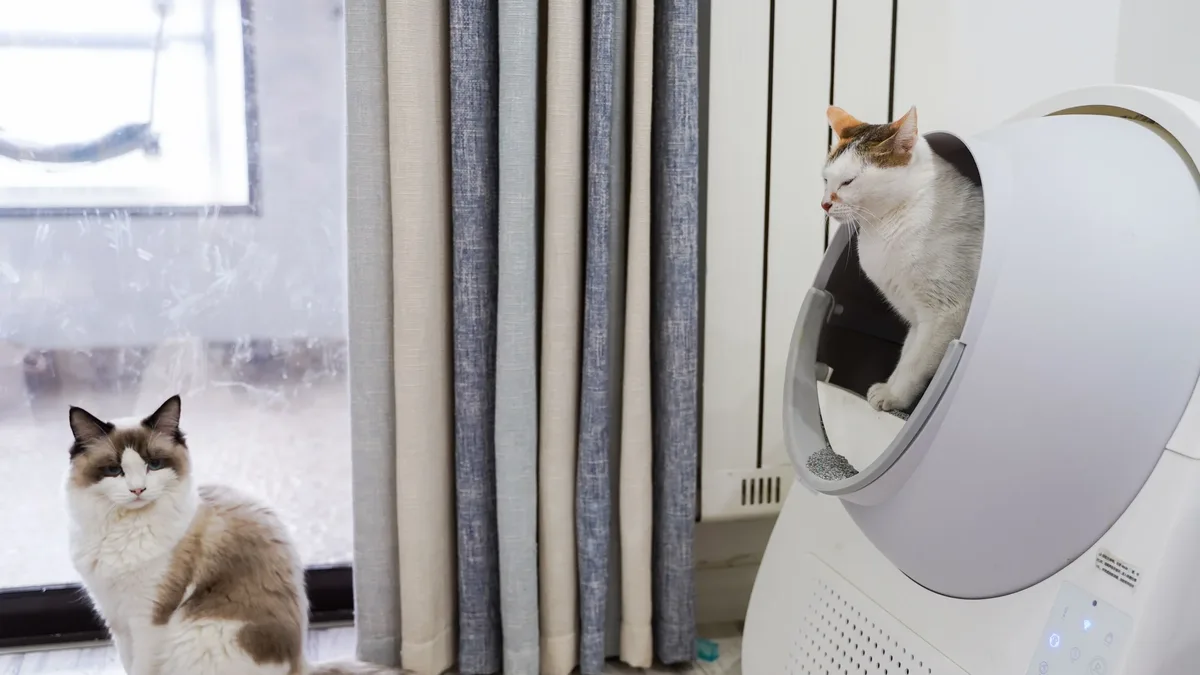
Automatic Litter Boxes and Why Cats Avoid Their Box
A podcast episode from Catster's Chatty Cattys discusses medical and environmental reasons for litter box avoidance, the pros and cons of automatic...
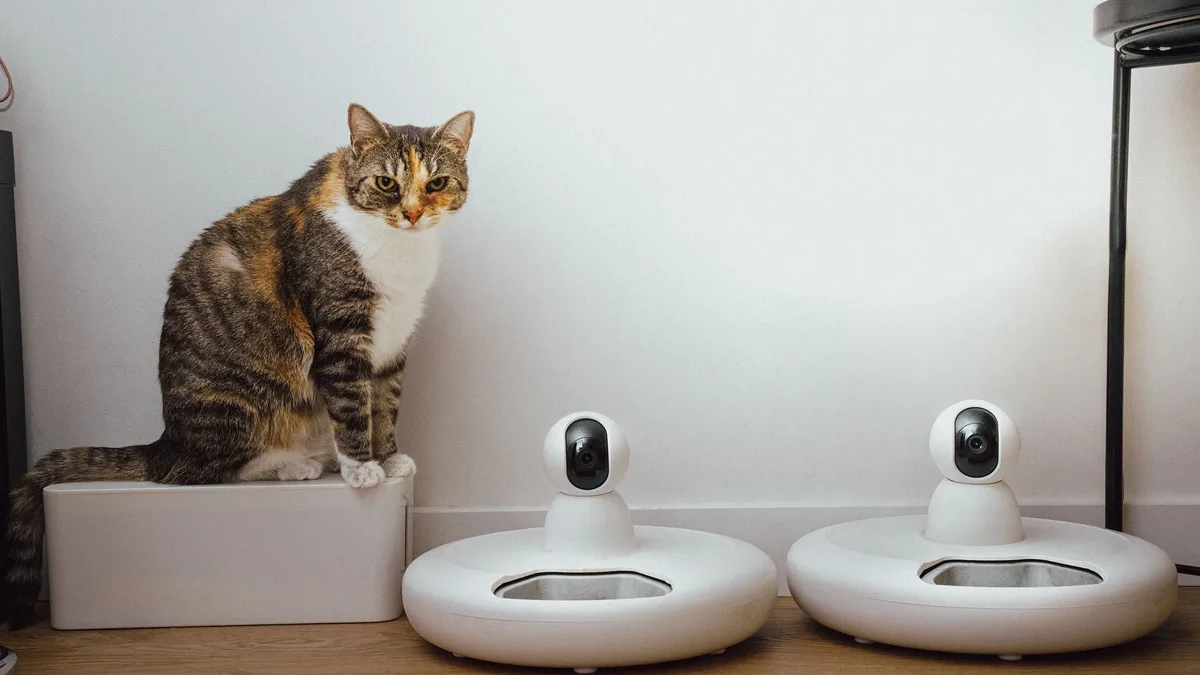
Smart litter solutions help owners track cat
New smart litter and feeding devices from PetSuper automate routine care while tracking usage patterns to help owners monitor their cats' health and
SportDOG FieldTrainer 425X: A Guide to Safe and Effective Remote Training
Vetstreet's expert guide to using the SportDOG FieldTrainer 425X, a compact remote training system for close-working dogs.
Automatic Litter Boxes: A Game Changer for Cat Parents
Automatic litter boxes are not a luxury, but a necessity for cat parents who want to simplify their lives and provide a healthier environment for...