Experts Detail the Right Way to Clean a Cat Litter Box
Cat behavior specialists explain common litter box mistakes and provide specific guidelines for setup, cleaning frequency, and signs of feline
Cat experts warn that many owners make a fundamental mistake by creating a litter box setup that works for them instead of for their cat. According to Samantha Bell, a cat expert with Best Friends Animal Society, ensuring a cat's comfort requires getting its bathroom arrangements right.
The ideal number of litter boxes is one per cat, plus an extra one. Dr. Lori Bierbrier of the ASPCA states that a household with two cats should ideally have three boxes. In a multilevel home, she adds there should be one litter box on each floor to prevent cats from having to travel too far.
While cats can share boxes, certified feline behavior consultant Dr. Marci Koski notes some cats dislike sharing, especially if there is a contentious relationship. "That's all the more reason to have more litter box locations than cats," she says.
Creating the Ideal Litter Box Setup
Experts outline several key elements for a proper litter box setup that prioritizes the cat's needs.
First, the box must be large enough. Samantha Bell points out that most store-bought boxes are too small. Dr. Marci Koski says a box should be 1.5 times the length of your cat from nose to the base of its tail to allow room to dig and turn around.
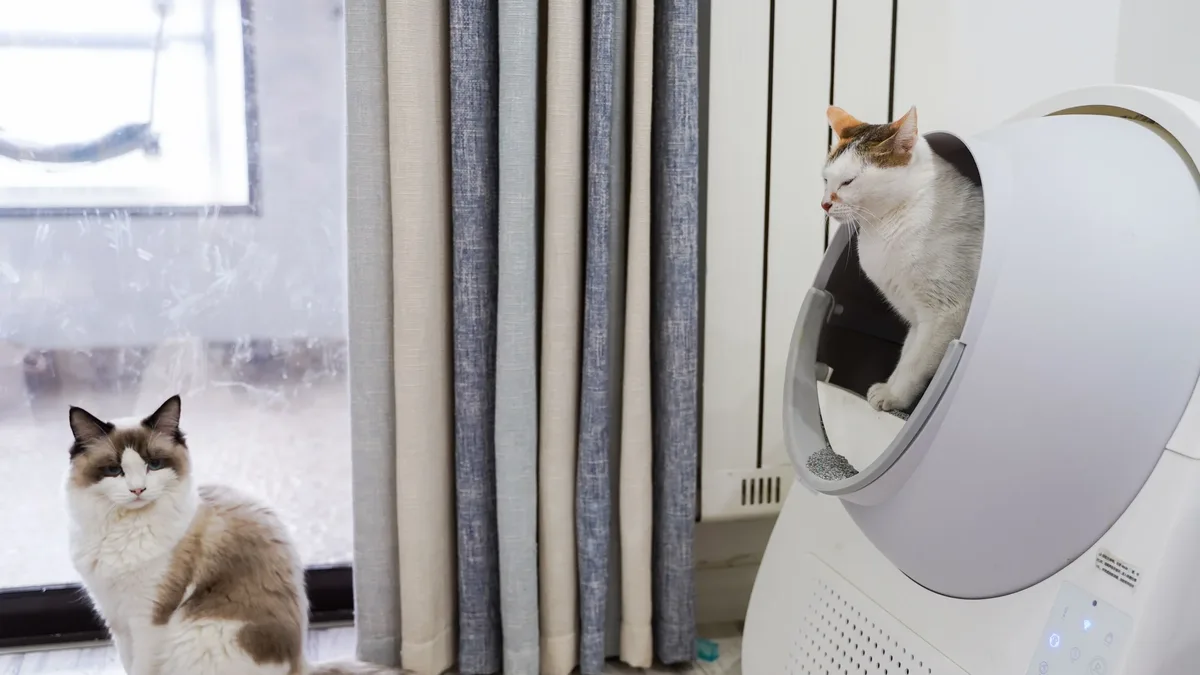
Second, an open box is generally preferred by cats over a covered one. Koski explains open boxes provide a wider field of view and do not trap unpleasant scents. The entrance should also be low for easy access.
Third, location is critical. Dr. Bierbrier says cats prefer a quiet location that is not cornered, allowing them to see approaching people or animals and have multiple escape routes. Boxes should be kept away from loud appliances, high-traffic areas, and, as Bell advises, away from the cat's food and water.
Fourth, the right litter is essential. Bell notes that as descendants of wild desert cats, many felines prefer a substrate closest to sand. Dr. Bierbrier says most cats prefer unscented, clumping litter with a medium to fine texture. The litter depth should be between 2-3 inches, deep enough for a cat to comfortably cover its waste.
Cleaning Frequency and Box Replacement
Litter should be scooped at least once per day, with frequency increasing for multi-cat households or picky cats. The litter also needs to be fully replaced periodically. Dr. Koski says this could be every 2-3 days for some pine or paper litters, or once a month for clumping clay litters.
The litter box itself should be replaced every year or two. "Especially if you see scratches in it," says Bell, explaining that scratches can harbor bacteria and odor.
Signs Your Cat Is Unhappy with Its Litter Box
Dr. Bierbrier lists several behaviors indicating a cat is dissatisfied with its litter box hygiene or setup. These include foul odors, excessive meowing near the box, perching on the box edges to avoid dirty litter, rushing in and out quickly with little digging, and scratching at areas around the box instead of in the litter.
The most serious red flag is a cat avoiding the box altogether. Samantha Bell stresses that elimination outside the box is a cat's way of communicating a problem, not an act of spite. She advises owners not to punish the cat but to schedule a veterinary appointment promptly, as such behavior can signal health issues like a urinary tract infection or, as in her own senior cat's case, diabetes.
Dr. Koski adds that unclean litter boxes can lead to painful urinary tract infections in cats.