
Feeding Schedules And Free Feeding
| Feeding method | Scheduled meals or free feeding |
|---|---|
| Primary goal | Weight management and routine |
| Suitability for indoor cats | High for scheduled meals |
| Risk of overeating | Higher with free feeding |
| Meal frequency | Typically 2 to 4 times daily for scheduled feeding |
| Food type compatibility | Works with wet, dry, or mixed |
| Monitoring ease | Easier with scheduled meals |
Origin and history
The concepts of scheduled feeding and free feeding for domestic cats originate from broader agricultural and animal husbandry practices developed over centuries. The specific application to companion cats, particularly those living indoors, became a defined topic of pet care discussion in North America and Europe during the mid-20th century. This period coincided with the widespread commercialization of dry kibble, which enabled the practical implementation of free feeding. The debate between these two management styles intensified as veterinary nutrition science advanced from the 1970s onward. Prior to this, feeding practices were often informal and based on availability rather than structured health considerations. The formalization of these schedules is therefore a modern development in feline care, responding to the changing indoor lifestyle of cats.
What it is designed for
Scheduled feeding is designed to provide controlled portions of food at specific times of day, typically two to three meals for an adult cat. This method is intended to regulate calorie intake, assist in weight management, and create a predictable routine for the cat. It allows for close monitoring of individual appetite, which can be an early indicator of health issues. Free feeding, conversely, is designed to allow a cat ad libitum access to dry food, filling a bowl whenever it is empty. This approach is intended to cater to a cat's natural grazing behavior, where they may eat many small meals throughout a 24-hour period. Both methods aim to meet the nutritional needs of the indoor cat, whose hunting opportunities are eliminated and whose energy expenditure is often lower than that of outdoor cats.
Development and versions
The development of these feeding philosophies is directly tied to the types of food available. Free feeding became a practical option primarily with the stability and long shelf-life of dry kibble in a bowl. Scheduled feeding has always been the necessary method for wet or raw diets, which spoil if left out. Versions of scheduled feeding include strict time-based meals, timed automatic feeders, and combination approaches like measured dry food available for a portion of the day. Free feeding has also evolved into versions using puzzle feeders or slow-feed bowls to extend eating time and provide mental stimulation. The concept of timed free-feeding, where a large portion is dispensed but not constantly refilled, blurs the line between the two systems. Veterinary recommendations have further developed these practices, often advocating scheduled meals for multi-cat households to ensure individual intake monitoring.
Pros and cons
Scheduled feeding offers the significant pro of precise control over portion size, which is the most effective tool for preventing or addressing feline obesity, a common indoor cat health problem. It also creates a strong human-animal bond through routine and allows for immediate detection of anorexia. The primary con is that it can create anxiety and pestering behavior in some cats if they feel hungry between meals, and it is logistically challenging for people with irregular schedules. Free feeding offers the pro of convenience for the owner and can reduce food-related stress for cats who prefer to graze. Its major con is that it frequently leads to overconsumption and weight gain in cats, as many lack natural satiety cues for energy-dense dry food. A common mistake is free-feeding high-calorie diets to sedentary indoor cats, almost guaranteeing weight gain. Owners often regret choosing free feeding when faced with costly weight-related diseases like diabetes.
Who it suits
Scheduled feeding suits single-cat households or homes where individual food intake must be monitored, such as with diabetic cats or cats on prescription diets. It is well-suited for cats prone to obesity and for owners who value a strict routine and can commit to consistent meal times. This method also suits cats eating exclusively wet food due to dental issues or hydration needs. Free feeding may suit a highly active, lean cat with a demonstrated ability to self-regulate intake without gaining weight. It can be a practical solution for multi-cat households with stable, healthy weights, though it carries risk. It may also suit kittens under six months old, who require frequent meals for growth. Ultimately, the choice must consider the individual cat's metabolism, the owner's lifestyle, and the specific dietary formulation being used.
Latest Feeding Schedules And Free Feeding news
Latest reporting

Free AI Websites for NYC Cat Rescues
A new partnership offers 25 New York City animal rescues free AI-built websites to help them manage adoptions and focus resources on cats.
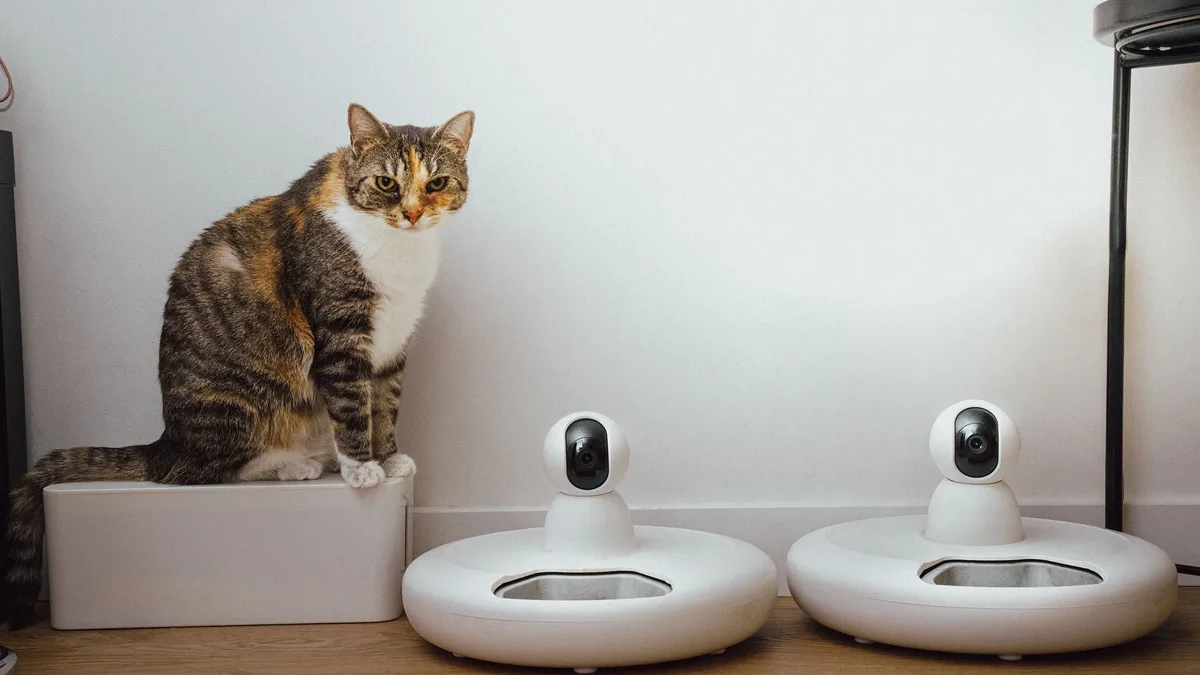
Smart litter solutions help owners track cat health
New smart litter and feeding devices from PetSuper automate routine care while tracking usage patterns to help owners monitor their cats' health.

Kitten Diarrhea: Causes, Treatment, and When to Worry
Kitten diarrhea can be a brief response to stress or a fast food change, but it can also signal parasites, infection, feeding trouble, or another...

Unlocking the Secrets of Feline Feeding
Discover the hidden world of feline feeding and how it affects your cat's behavior and well-being.
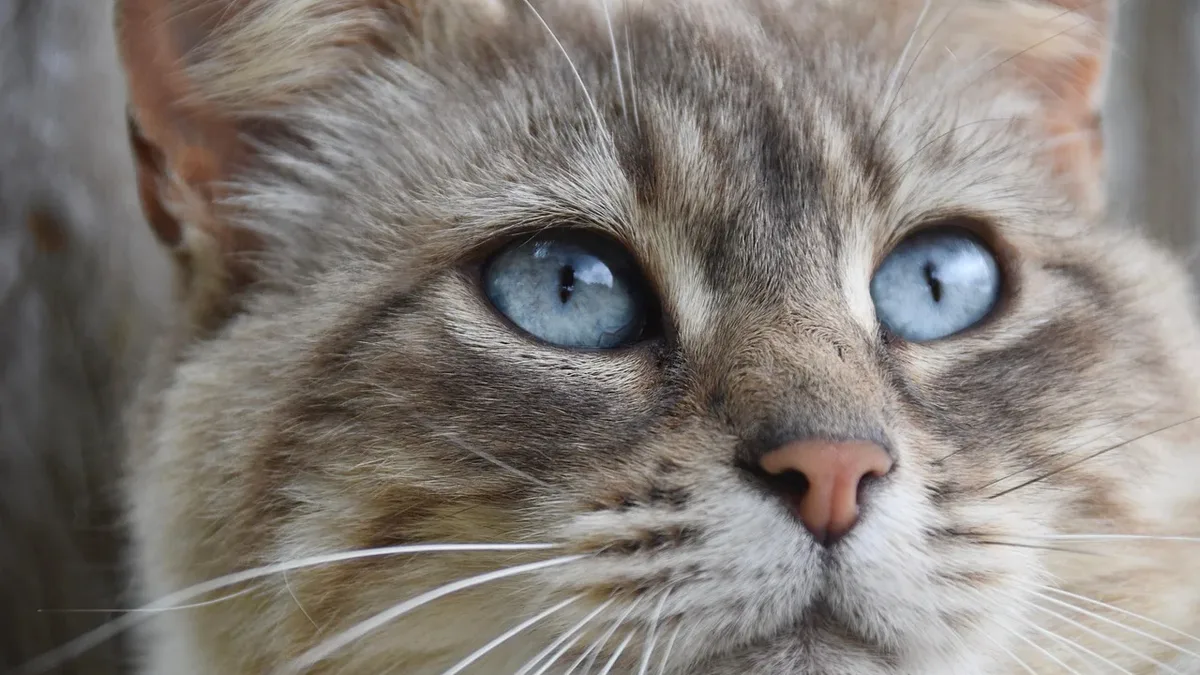
Cat's Confused Reaction to Stranger Feeding Him Goes Viral
A grey Tabby cat's hilarious reaction to a stranger feeding him has captured the hearts of millions on social media.