Black Maine Coon
| Country of origin | United States |
|---|---|
| First created | Mid-19th century |
| Original use | Farm and ship mouser |
| Size | Large to very large |
| Coat | Long, dense, water-resistant |
| Temperament | Gentle, friendly, intelligent |
| Shedding | Heavy, seasonal |
Origin and history
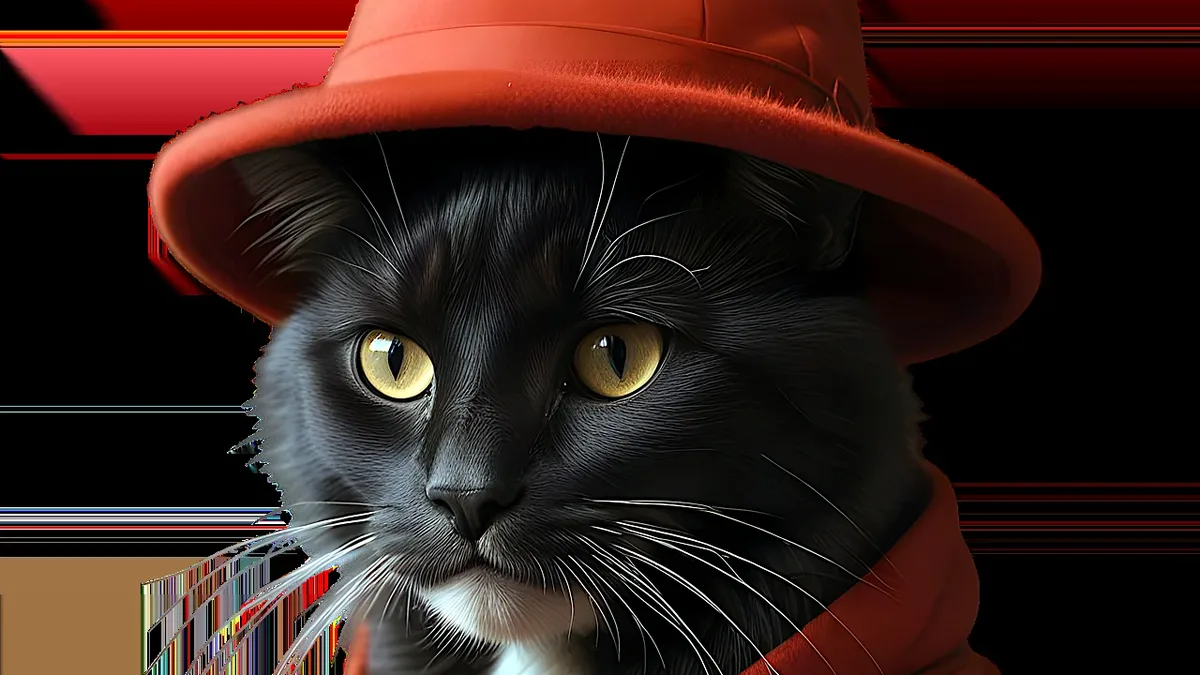
The Maine Coon breed originated in the United States, specifically in the state of Maine, where it is the official state cat. Its development as a natural breed is widely documented from the mid-19th century onwards, with early appearances at cat shows in the late 1800s. The Black Maine Coon is not a separate breed but a color variant within the Maine Coon breed standard. Folklore surrounding its origins, such as descent from raccoons or longhaired cats brought by Vikings, is apocryphal and not supported by genetic evidence. The solid black color, referred to as "black" or "ebony" in cat registries, is the result of specific genetic inheritance of pigment. Historical records indicate that cats fitting the Maine Coon description, including black-coated individuals, were valued working cats on farms and ships in the Northeastern United States.
What it was bred for
The Maine Coon was developed primarily through natural selection for utility and survivability in the harsh New England climate, not for specific aesthetic traits. Its historical function was as a working cat on farms, ships, and homesteads, valued for its hunting prowess to control rodent populations. The breed's substantial size, water-resistant semi-longhair coat, and large, tufted paws were practical adaptations for cold winters and outdoor activity. While the black coat color offered no specific functional advantage, it was one of many color patterns that occurred naturally within the population. Breeders later began formalizing the breed's characteristics in the 20th century, but its original purpose remains evident in its robust physicality. The Black Maine Coon, like all Maine Coons, retains these fundamental traits bred for endurance and practicality.
Life cycle
A Black Maine Coon kitten is born black, with the solid color being evident from birth, though the full density of the coat develops over time. The breed is known for a slow maturation rate, often taking three to five years to reach full physical and social maturity. Throughout its life, the Black Maine Coon's coat requires consistent grooming to prevent matting, especially during seasonal shedding periods. The average lifespan of a well-cared-for indoor Maine Coon is typically 12 to 15 years, with some individuals living longer. Health considerations across its life cycle can include genetic predispositions common to the breed, such as hypertrophic cardiomyopathy (HCM) or hip dysplasia. Senior Black Maine Coons often remain active and playful but may require adjusted diets and more frequent veterinary monitoring for age-related conditions.
Character and appearance
The Black Maine Coon possesses the same physical and behavioral traits as any other Maine Coon, distinguished only by its coat color. Its appearance is characterized by a large, muscular rectangular body, a long flowing tail, prominent lynx-like ear tufts, and a substantial ruff around the neck. The coat is semi-longhair, dense, and silky, and in the black variant, it should be a solid, coal-black color from root to tip without ghost markings or rusting. Characteristically, the breed is known as a "gentle giant," displaying a friendly, adaptable, and sociable disposition without being overly clingy. They are typically intelligent and playful, often enjoying interactive games and showing dog-like behaviors such as following their owners. Their eyes can be any color, green, gold, or copper, which creates a striking contrast against the solid black fur.
Black Maine Coon price
The price of a Black Maine Coon kitten from a reputable breeder typically falls within the general price range for the Maine Coon breed. Factors influencing cost include the breeder's reputation, the kitten's lineage (pet, breeding, or show quality), geographic location, and included veterinary care. As a solid color is genetically recessive, it may not be as commonly available as some tabby patterns in every litter, but this does not generally command a significant price premium. Initial purchase prices are only part of the cost, with substantial ongoing expenses for high-quality food, routine veterinary care, grooming tools, and potential health screenings. Prospective owners should be wary of prices that seem unusually low, as they may indicate irresponsible breeding practices or a lack of necessary health testing. Investing in a kitten from a breeder who conducts genetic health screenings is crucial for the long-term welfare of the cat.
Black Maine Coon size
The Black Maine Coon is one of the largest domesticated cat breeds, with adult males commonly weighing between 13 and 18 pounds, and females between 8 and 12 pounds. Some males can exceed 20 pounds without being obese, due to their substantial bone structure and muscular build. This large size is accompanied by a slow growth rate, with the cat not reaching its full dimensions until it is several years old. The size necessitates consideration for indoor living, requiring larger-than-average litter boxes, sturdy scratching posts, and ample space for movement. Despite their impressive stature, they are not typically clumsy and are known for their agility.
Black Maine Coon kittens
Black Maine Coon kittens are born with their black coat, though the full, luxurious adult coat and prominent ruff will develop as they mature. Litters can contain kittens of various colors and patterns unless both parents carry the recessive genes for the solid black color. From a young age, they display the breed's characteristic intelligence and curiosity, requiring safe, stimulating environments to explore. Early socialization with people, other pets, and various household experiences is crucial for developing their well-adjusted temperament. Reputable breeders will have performed initial veterinary checks, deworming, and vaccinations before placing kittens, typically around 12 to 16 weeks of age. Prospective owners should be prepared for a highly active, playful kitten that will grow into a large, energetic cat requiring consistent engagement and care.
Pros and cons
Pros include their generally gentle, affectionate nature which suits families, their striking appearance, and their intelligence which makes them trainable for activities like leash walking. They are often good with considerate children and other pets when properly introduced. A significant con is their substantial grooming requirement; their dense coat mats easily if not combed several times a week, leading to discomfort and potential skin issues. Their size and energy level mean they require more space, larger resources, and more interactive playtime than many smaller breeds. Common regrets from owners often stem from underestimating the time and financial commitment for grooming, high-quality food, and potential breed-specific health care. The most common mistake is acquiring one for its impressive looks alone without being prepared for the reality of its care needs and energetic personality.
Who it suits
The Black Maine Coon suits individuals or families who have ample indoor space to accommodate a large, active cat and the time for daily interactive play and regular grooming. It is a good match for owners who appreciate a sociable, dog-like companion that participates in household life without being overly demanding of constant lap-sitting. The breed is less suited to people who are frequently away for long periods, desire a consistently low-energy lap cat, or have severe allergies to cat hair and dander. It can be an excellent pet for households with other pets or children, provided the cat is properly socialized and its need for respectful interaction is understood. Prospective owners must be financially prepared for higher costs associated with food, litter, grooming supplies, and veterinary care appropriate for a large breed. It best suits a committed owner who values a long-term, interactive relationship with a pet.