Canada Bans Declawing, Experts Warn Against Vegan Cat Diets
A Catster podcast episode discusses Canada's new ban on declawing and other elective procedures, explains why cats cannot thrive on vegan diets, and
Canada has enacted a nationwide ban on declawing cats, along with ear cropping and tail docking for dogs. The hosts of Catster's Chatty Cattys podcast, Dr. Karyn and Nicole, discussed this significant animal welfare legislation in a recent episode.
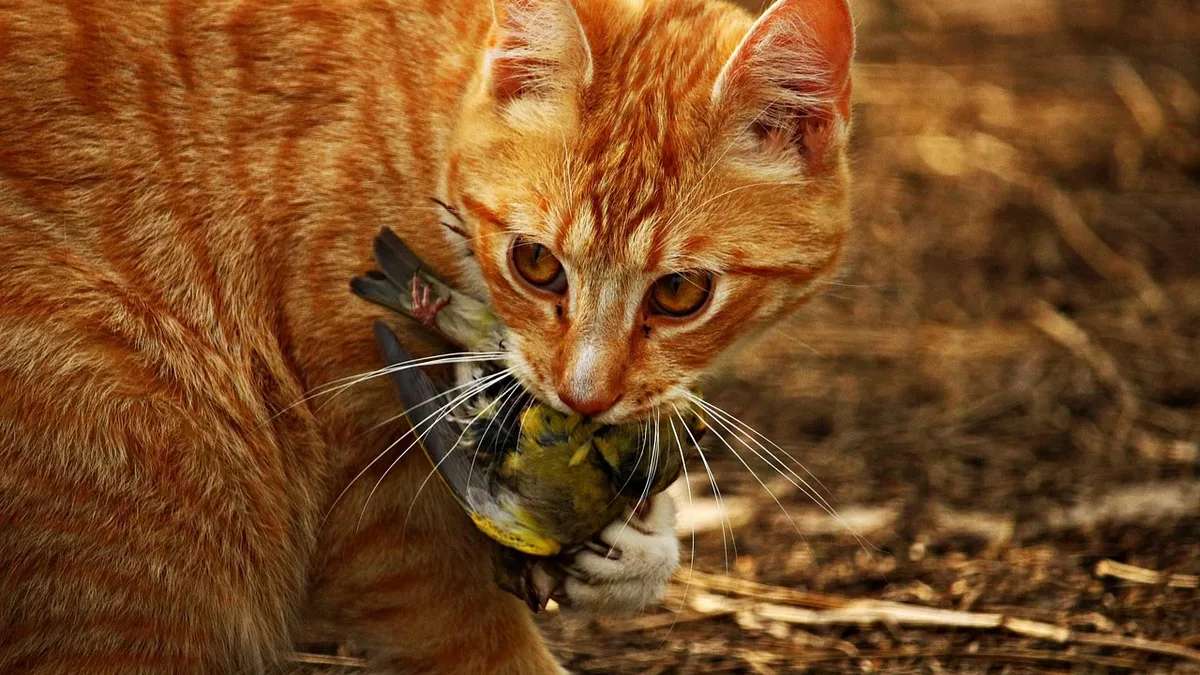
They emphasized that cats are obligate carnivores who require meat-specific nutrients like taurine to stay healthy. The experts stated that while humans and dogs can survive on plant-based diets, forcing such a diet on a cat is harmful.
Canada's Elective Surgery Ban
The podcast celebrated Canada's new law, which prohibits elective procedures like declawing, ear cropping, and debarking. Dr. Karyn and Nicole framed the ban as part of an evolution in animal welfare laws that recognize pets as sentient beings. The conversation highlighted declawing as a particularly invasive procedure for cats.
The Obligate Carnivore Reality
A core topic was feline dietary needs. The hosts explained the biological term 'obligate carnivore.' They stated that cats rely on nutrients found only in animal tissue. Taurine was cited as a critical example. The podcast dismissed the possibility of healthy vegan diets for cats, attributing this stance to the experts. Dogs and humans were presented as more adaptable.
This difference stems from evolutionary history. Dr. Karyn and Nicole noted that dogs have a longer history of domestication and digestive adaptation. Cats, domesticated more recently, remain biologically close to their wild carnivore ancestors.
Feline Communication and Behavior
The episode also decoded cat communication. Dr. Karyn explained how cats interpret human facial expressions. She warned that a slow blink or squint communicates trust and affection from a cat's perspective. To signal displeasure or set boundaries, a human should use wide eyes instead.
Training cats involves understanding their independent motivation. The hosts highlighted the role of positive reinforcement. They explained that feline behavior is less driven by a desire to please humans compared to dogs.
Quirky Feline Food Obsessions
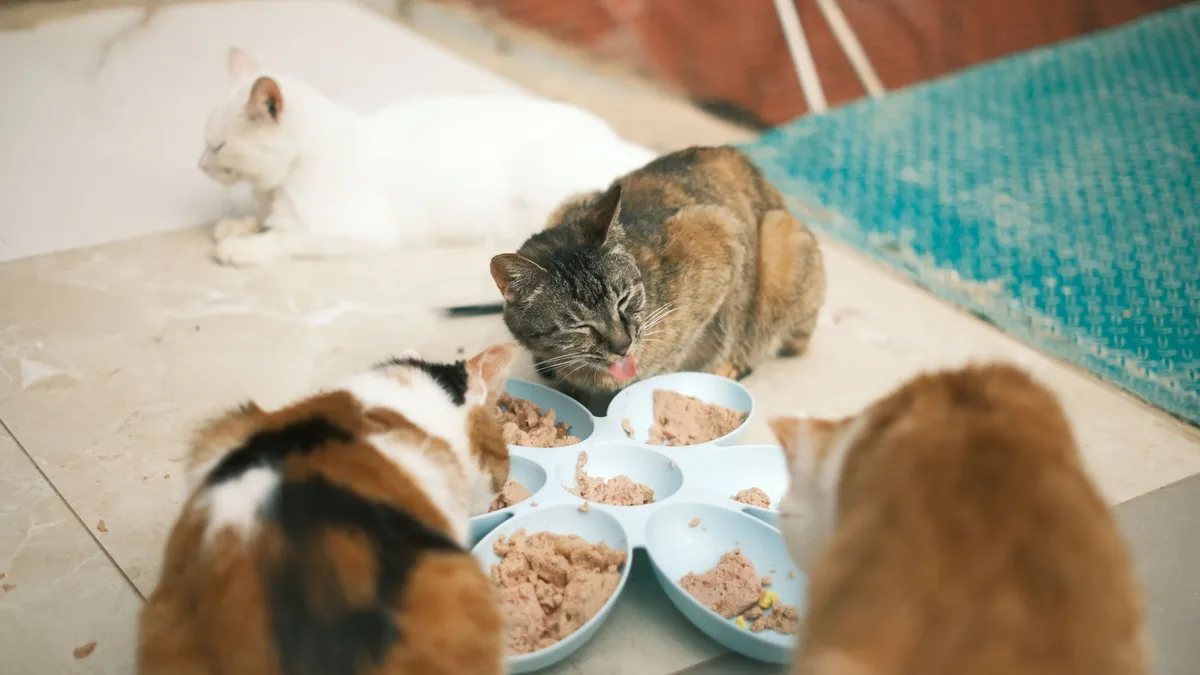
Personal anecdotes illustrated unusual pet cravings. Dr. Karyn and Nicole shared stories of their own cats. One cat, named Clutch, was reported breaking into a bag of prawn crackers. Another, Sirill, tried to steal bites of fresh pizza. These stories showed the hosts' point about managing unique food obsessions in a multi-pet household.
The podcast, as summarized by Catster, focused on understanding a cat's individual needs. It argued against forcing felines into a specific mold. The discussion covered welfare, biology, and the subtle cues that strengthen the human-cat bond.
Dr. Karyn and Nicole concluded by stressing the importance of respecting a cat's evolutionary history. They advocated for observing subtle communication cues to build a stronger relationship with feline companions.