Windows, Catios And Safe Outdoor Access
Origin and history
The concept of providing safe outdoor access for indoor cats originated in North America and Western Europe during the late 20th century. This development was a direct response to increasing awareness of the dangers the outdoor environment poses to domestic cats. The practice gained significant traction from the 1990s onwards as veterinary associations and animal welfare organizations began strongly advocating for keeping cats indoors. The creation of "catios" – enclosed patio spaces for cats – is widely documented from this period as a primary solution. The modification of windows with secure screening to create "cat windows" also emerged as a common, low-cost adaptation during this era. These methods collectively formed a defined approach to feline management that prioritizes safety without complete environmental deprivation.
What it was bred for
This management system was developed to resolve the conflict between a cat's innate desire for environmental stimulation and the significant risks of free outdoor roaming. It was specifically designed to prevent injuries from vehicles, attacks from other animals, and exposure to infectious diseases and parasites. The structure of a catio or screened window is bred, metaphorically, to satisfy a cat's need to experience fresh air, sunlight, and the sights and sounds of nature. It aims to provide mental enrichment and physical exercise within a controlled, secure perimeter. This approach is also bred to protect local wildlife from cat predation, addressing ecological concerns. Ultimately, the system serves to extend a cat's lifespan and improve its quality of life by mitigating outdoor hazards.
Life cycle
The implementation of this indoor life system typically begins when a cat is adopted or when an owner becomes educated on outdoor risks, often following a scare or incident. The initial phase involves assessing the home environment for suitable locations, such as a window, balcony, or yard area that can be securely enclosed. The construction or installation of the safe access point, whether a commercial catio kit or a custom-built screen, forms the establishment phase of this life cycle. Regular use and maintenance, including checking for wear, tears, or potential escape points, constitute its ongoing operational life. The system may evolve, with owners adding levels, shelves, or planting cat-safe grass to enhance the environment. Its life cycle concludes only if the cat is relocated or the structure is decommissioned, as the need for safety remains constant throughout the cat's life.
Character and appearance
The character of this management approach is defined by its dual nature of providing freedom within security, creating a controlled interface between the domestic and natural worlds. Its physical appearance is highly variable, ranging from simple window boxes with metal mesh to elaborate, multi-level outdoor enclosures connected to the house via a tunnel. Common visual elements include sturdy framing materials like wood or PVC, durable wire or polycarbonate mesh, and integrated platforms for climbing and resting. The character is often utilitarian and functional, though it can be designed to aesthetically blend with garden architecture. Internally, it exhibits a character of enrichment, typically featuring scratching posts, hanging toys, and sheltered areas. The overall appearance is fundamentally that of a cage or barrier, but one whose purpose is protective rather than restrictive from the cat's welfare perspective.
Pros and cons
A primary pro is the dramatic reduction in risks from traffic, predators, poisons, and disease, directly contributing to a longer, healthier life for the cat. It also eliminates the cat's impact on local bird and small mammal populations, which is a significant ecological benefit. The system provides substantial mental stimulation, reducing the incidence of boredom-related behaviors like inappropriate scratching or excessive vocalization indoors. A significant con is the substantial initial cost and effort required to build a secure, high-quality outdoor enclosure, which can be prohibitive for some owners. The common mistake is underestimating a cat's strength and ingenuity, leading to the use of flimsy materials or poor fastenings that result in escapes or injuries. Owners who regret this choice often cite the ongoing maintenance, the loss of space in a garden or on a balcony, or a cat that appears frustrated by the barrier despite the access, feeling they have invested in a compromise that satisfies neither party fully.
Who it suits
This approach suits responsible owners who are convinced by the data on outdoor risks and are committed to providing a full life indoors, willing to invest in infrastructure. It is ideal for people living near busy roads, in areas with high predator density, or in regions with strict wildlife protection ordinances. It suits cats with a strong prey drive or high curiosity who would persistently seek to escape if denied any outdoor simulation. This system is also well-suited to owners of pedigree cats, who are often more vulnerable to theft or disease, and to those with disabled or elderly cats who still enjoy basking in the sun safely. It does not suit owners who lack the space, funds, or DIY skills to create a truly escape-proof environment, as a flawed system is more dangerous than none at all. It may also be less suitable for cats adopted as strays later in life, who may never fully adjust to any form of confinement and require exceptionally large, complex enclosures to feel content.
Latest Windows, Catios And Safe Outdoor Access news
Latest reporting
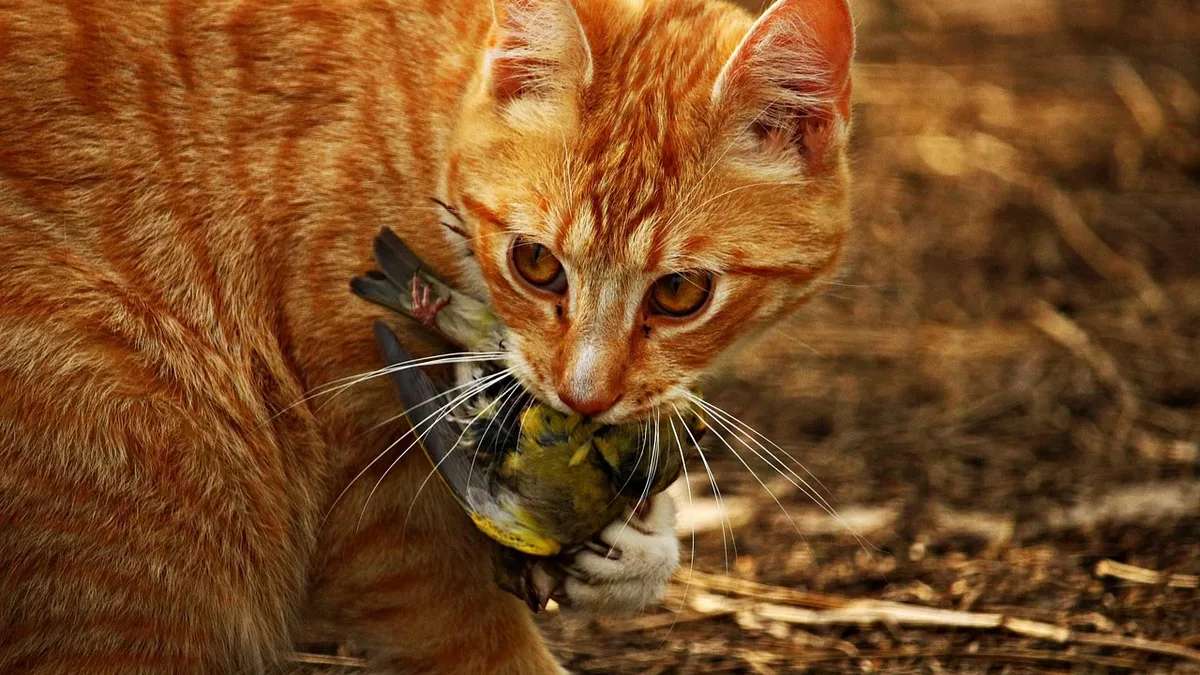
Bird Advocate Urges Indoor-Only Cats to Halt Wildlife Loss
A birder argues that outdoor cats are a major cause of bird population declines, killing over a billion birds annually in the U.S.
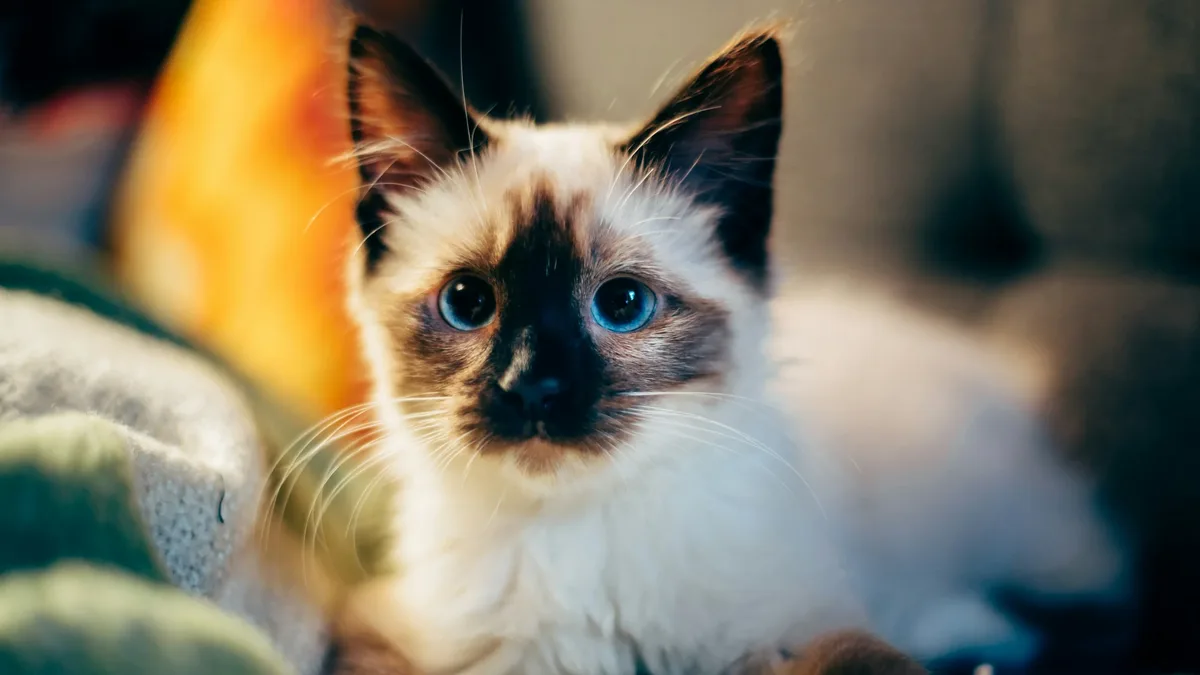
Study Reveals Smoother-Than-Expected Transition for Outdoor Cats Moving Indoors
New research from the University of Adelaide challenges the notion that transitioning outdoor cats to indoor living is difficult. The study found...
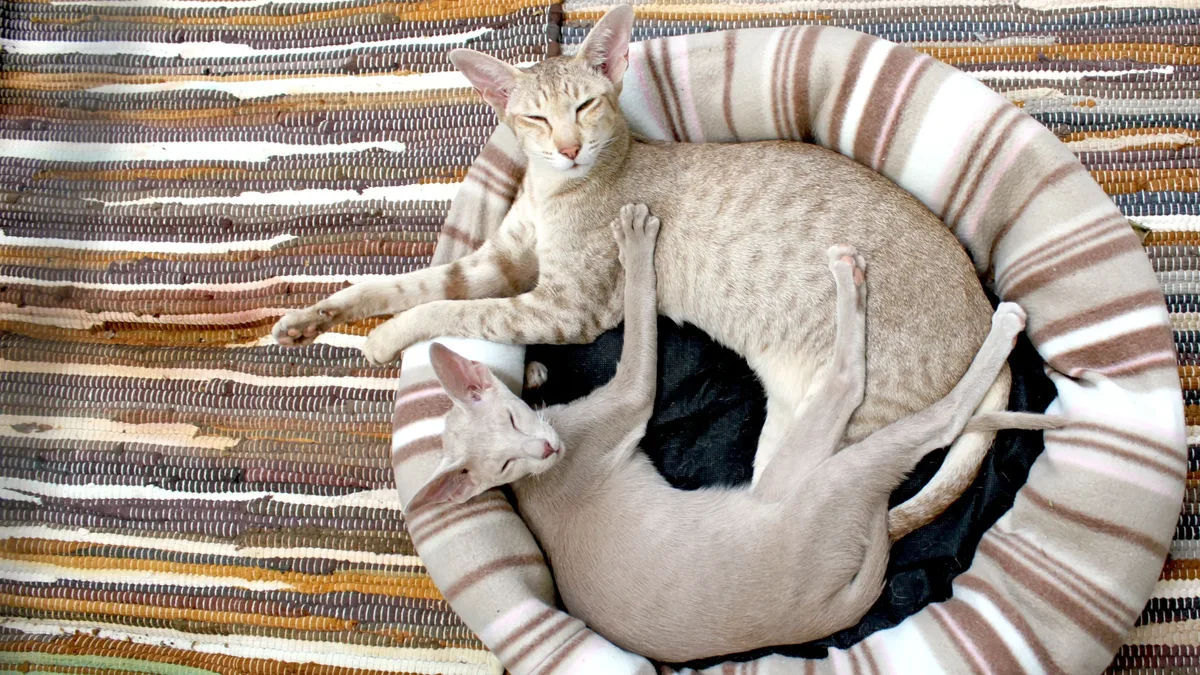
Kittens Rescued from Abandoned Ranch Find Comfort in Foster Home
A group of kittens once living at an abandoned ranch have been given a second chance at a safe and comfortable life in a foster home.