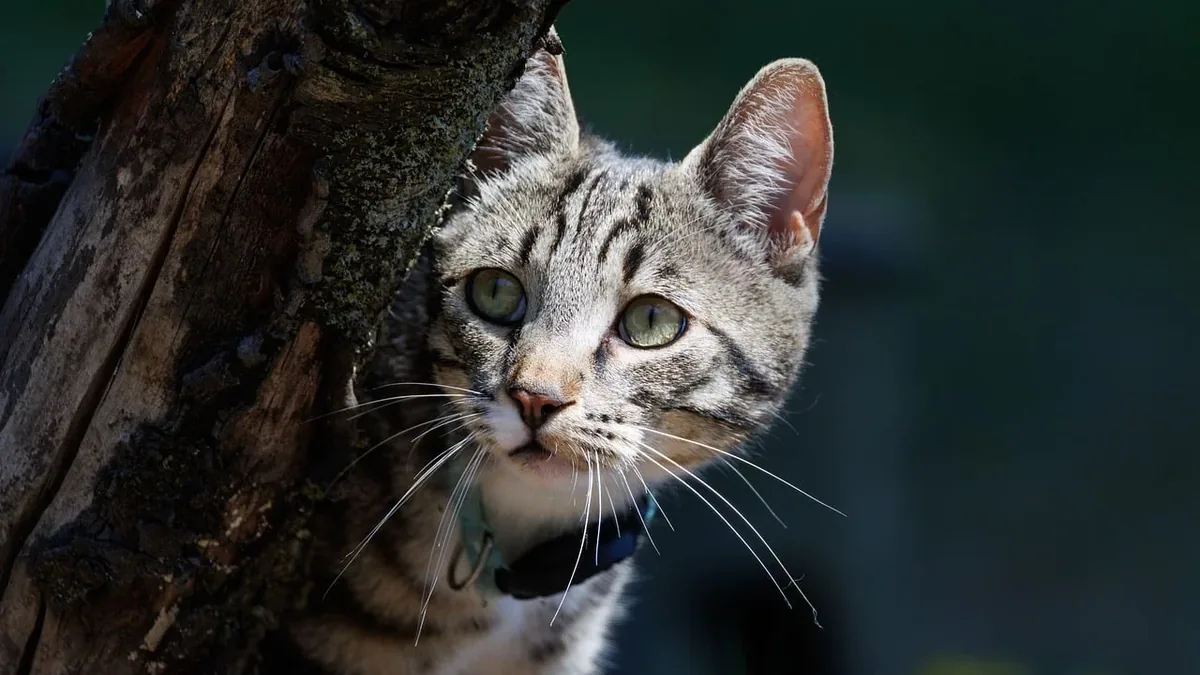
Norwegian Forest Cat
| Country of origin | Norway |
|---|---|
| First created | Ancient breed, documented in Norse mythology and folklore |
| Original use | Farm cat and mouser |
| Size | Large to very large |
| Coat | Long, dense, water-resistant double coat |
| Shedding | Heavy, seasonal shedding |
| Temperament | Gentle, intelligent, and independent |
| Good with children | Generally good |
| Activity level | Moderately active, enjoys climbing and perching |
Origin and history
The Norwegian Forest Cat originates from Norway, with its development as a natural breed occurring over many centuries in the Scandinavian forests. Its ancestors are believed to have been short-haired cats brought to Norway by Vikings around 1000 AD, which then interbred with long-haired cats possibly introduced by Crusaders. These cats adapted to the harsh Nordic climate through natural selection, developing the robust, weather-resistant characteristics seen today. The breed was first documented in Norwegian fairy tales and folklore hundreds of years ago, often referred to as the "skogkatt" or fairy cat. A dedicated breeding program to preserve the breed began in Norway in the 1930s after concerns arose about its survival due to crossbreeding. The breed was officially recognized by the Fédération Internationale Féline (FIFe) in the 1970s, cementing its status as a distinct pedigree.
What it was bred for
The Norwegian Forest Cat was not selectively bred by humans for a specific task initially, but was shaped by natural environmental pressures for survival in the Norwegian wilderness. Its primary "purpose" was to be a hardy, proficient hunter of rodents in and around Scandinavian farms, forests, and homes. The breed's evolution equipped it with exceptional climbing skills to navigate rocky terrain and hunt birds, utilizing its strong claws and muscular hind legs. Its long, dense, water-resistant double coat was essential for insulation against snow, rain, and freezing temperatures. The characteristic ruff around its neck and bushy tail, which it could wrap around itself for warmth, further served as protection from the elements. These traits allowed it to thrive as an outdoor working cat for generations before formal breeding programs began to preserve its type.
Life cycle
Norwegian Forest Cats are generally a healthy, robust breed with a typical lifespan of 14 to 16 years, though some individuals live longer with proper care. They are slow to mature physically, often not reaching their full adult size and muscle development until they are around four or five years old. Kittens are active and playful, with their signature long coat beginning to develop fully as they approach adulthood. Adults maintain a high level of activity but with more measured periods of energetic play interspersed with rest. They are not considered a geriatric breed at an unusually early age, but like all large cats, they can be prone to specific health issues such as hypertrophic cardiomyopathy (HCM) and hip dysplasia in their later years. Responsible breeding practices that screen for these genetic conditions are crucial for maintaining the breed's long-term health and longevity.
Character and appearance
The Norwegian Forest Cat is a large, powerfully built cat with a distinctive triangular head, almond-shaped eyes, and high-set ears often tipped with lynx-like tufts. Its most defining feature is its semi-long, dense double-layered coat, consisting of a woolly undercoat for insulation and a long, glossy, water-shedding topcoat. Character-wise, they are known for being calm, gentle, and friendly, often forming strong bonds with their human families without being overly demanding or clingy. They are intelligent and curious problem-solvers, retaining strong hunting and climbing instincts which manifest in play. Despite their size and history as outdoor cats, they typically adapt well to indoor living provided they have sufficient vertical space and environmental enrichment. Their voice is usually quiet and they communicate more through chirps and trills than persistent meowing, contributing to their generally undemanding nature.
Pros and cons
A significant pro of the Norwegian Forest Cat is its adaptable and amiable temperament, making it a good fit for families with children and other pets. Their intelligence and playful nature provide enduring entertainment, though their strong climbing drive necessitates sturdy, tall cat trees and secure shelving. The major con is their substantial grooming needs; their dense coat mats easily and requires thorough brushing at least twice a week, with daily sessions during seasonal shedding periods, which many owners underestimate. Another common regret stems from not providing enough physical and mental stimulation, leading a bored "Wegie" to creatively and destructively entertain itself. While generally healthy, the potential for breed-specific genetic conditions like HCM means prospective owners must seek reputable breeders who conduct health screenings, as veterinary costs for these conditions can be high. The common mistake is acquiring one for its majestic appearance alone without being prepared for the reality of its grooming, size, and need for an engaging environment.
Who it suits
This breed suits individuals or families who have ample space and are committed to regular, thorough grooming as part of their routine. It is ideal for owners who appreciate an interactive but not overly needy companion, as the Norwegian Forest Cat enjoys involvement in household activities without constantly being on a lap. Homes that can provide extensive vertical territory, such as cat trees, climbing walls, and high perches, will satisfy its innate climbing instincts and prevent boredom. It generally does well with respectful children and cat-friendly dogs due to its steady and tolerant disposition. It is less suited to those who are away from home excessively, desire a consistently lap-bound cat, or are unwilling to manage significant seasonal shedding and hair throughout the home. Ultimately, it suits a prepared owner who wants a gentle, majestic, and engaging family member and is willing to meet its specific environmental and care requirements.