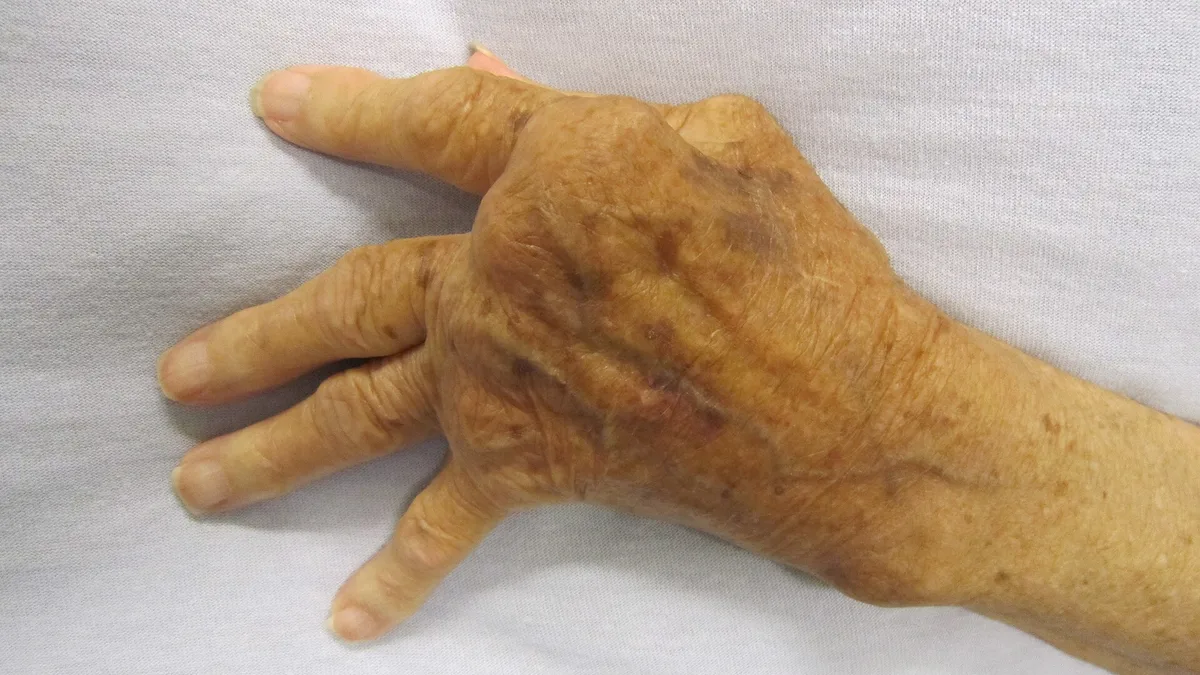
Arthritis In Senior Cats
| Species | Domestic cat (Felis catus) |
|---|---|
| Age of onset | Typically senior (10+ years) |
| Primary clinical signs | Reduced activity, stiffness, reluctance to jump, lameness |
| Commonly affected joints | Hips, elbows, knees, spine |
| Diagnostic method | Veterinary clinical examination, often supported by radiography (X-rays) |
| Management core | Multimodal, including environmental modification, pain management, weight control |
| Original use (context) | Companion animal (not bred for a purpose) |
Origin and history
Arthritis in senior cats is not a breed or a created condition but a degenerative health disorder with origins in the biological aging process of the domestic cat. Its documented recognition within veterinary medicine grew significantly in the late 20th century as diagnostic imaging advanced. The condition arises from the universal biomechanical wear and tear on joints over a lifetime, compounded by genetic predispositions and lifestyle factors. It is not localized to a specific country or region, as it is observed in aging cat populations worldwide. The formal clinical understanding and diagnosis of feline osteoarthritis, distinct from other lameness causes, became more established in veterinary literature from the 1990s onward. Its historical context is tied to the increased lifespan of domestic cats due to improved nutrition and veterinary care, making age-related diseases more prevalent.
What it was bred for
Arthritis in senior cats is a pathological condition and was not bred for any purpose; it is an unintended consequence of aging and selective breeding for certain physical traits. Some cat breeds with specific conformations, such as the Scottish Fold with its inherent cartilage abnormality, were bred for appearance but inadvertently selected for a high predisposition to severe arthritis. The condition represents a failure of joint homeostasis, where the natural repair processes cannot keep pace with cumulative damage. In the context of purebred cats, breeding for extreme body type or size can accelerate joint degeneration, though arthritis remains common in non-pedigree domestic cats. It serves no functional role and is considered a primary welfare concern in geriatric feline medicine. The focus of modern breeding ethics is to minimize its prevalence by selecting against conformational extremes that predispose cats to early joint disease.
Life cycle
The life cycle of arthritis in senior cats is a chronic, progressive process that typically initiates in middle age, often from seven years onward, though it may start earlier in predisposed individuals. Initial pathological changes occur at the cellular level within the joint, involving cartilage degradation and synovial inflammation, long before overt clinical signs are noticeable. The condition progresses through the cat's senior years, with gradual worsening of joint changes and increasing discomfort, though the rate of progression varies significantly between individuals. It is not a condition that resolves or enters remission; its natural course is one of continued degeneration without intervention. The end-stage of the disease cycle involves severe loss of cartilage, bone remodeling, and significant reduction in mobility. Management aims to slow this progression and maintain quality of life, but the underlying pathological cycle continues throughout the cat's remaining lifespan.
Character and appearance
The character of a cat with arthritis often manifests as behavioral changes rather than overt limping, due to a feline instinct to mask weakness. Affected cats may exhibit decreased activity, reluctance to jump onto familiar surfaces, and increased time spent resting or sleeping. Appearance-related signs can include subtle muscle wasting over the hind limbs and spine, giving a bony or hunched look, and a coat that becomes unkempt due to pain during grooming. The cat's posture may change, with a stiff gait, a lowered head carriage, and an overall reluctance to stretch or move with former agility. Facial expression is not a reliable indicator, though some cats may show a general air of tension or withdrawal. Physical examination by a veterinarian may reveal pain on joint manipulation, thickening of the joint capsule, and reduced range of motion, confirming the internal appearance of the disease.
Pros and cons
There are no pros to a cat developing arthritis; it is an entirely negative condition that reduces quality of life. The primary con is chronic pain, which is often under-recognized by owners until the disease is advanced, leading to prolonged suffering. A common mistake is attributing behavioral changes like inactivity or irritability solely to "old age," thereby delaying diagnosis and effective pain management. Owners often regret not implementing environmental modifications earlier, such as providing steps or orthopedic bedding, once they realize the extent of their cat's discomfort. The condition can strain the human-animal bond as the cat becomes less interactive and more reclusive, and care requirements increase. Financial cost for ongoing medication, veterinary visits, and special diets is a significant practical con, and managing a chronic, progressive disease requires a substantial, long-term commitment from the owner.
Who it suits
This condition suits no one and is an undesirable outcome for all cats. It is most commonly observed in senior cats, typically over the age of ten, though it can affect younger animals with joint abnormalities or prior injury. Cats with a history of trauma, such as fractures or ligament tears, are particularly suited to developing secondary arthritis in affected joints later in life. Overweight and obese cats are disproportionately suited to developing and experiencing more severe arthritis due to the increased mechanical load on their joints. Certain purebred cats, like Maine Coons with hip dysplasia or Persians with compromised mobility due to facial structure, may be genetically suited to earlier onset. Ultimately, it is a condition that any aging cat may develop, making proactive monitoring and preventive care essential for all cat owners, regardless of breed.
Latest Arthritis In Senior Cats news
Latest reporting
Cats vocalize more to male owners during
A new study finds cats meow and purr nearly twice as often to male caregivers in the first moments after they return home, suggesting felines tailor
Rescue Cat Martin's Bedtime Journey Captures Hearts
A viral video shows a senior rescue cat named Martin being lovingly carried to bed by his owner.
Canada Bans Declawing, Experts Warn Against Vegan Cat Diets
A Catster podcast episode discusses Canada's new ban on declawing and other elective procedures, explains why cats cannot thrive on vegan diets, and
Free AI Websites for NYC Cat Rescues
A new partnership offers 25 New York City animal rescues free AI-built websites to help them manage adoptions and focus resources on cats.
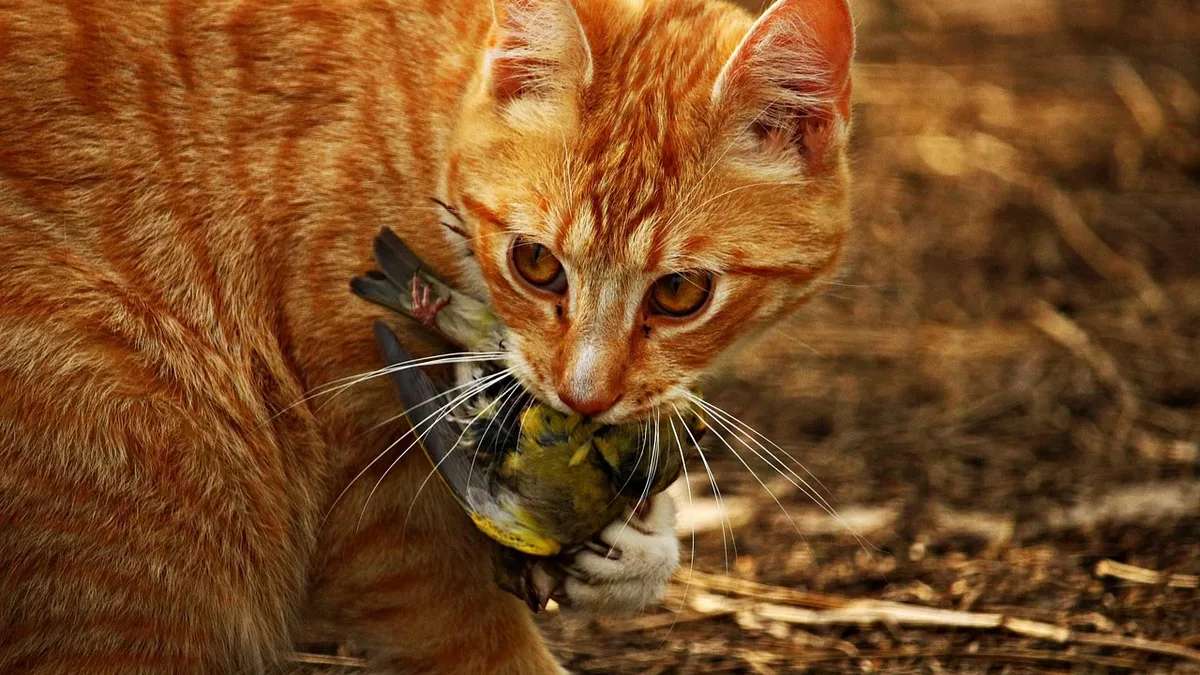
Bird Advocate Urges Indoor-Only Cats to Halt Wildlife Loss
A birder argues that outdoor cats are a major cause of bird population declines, killing over a billion birds annually in the U.S., and calls for all
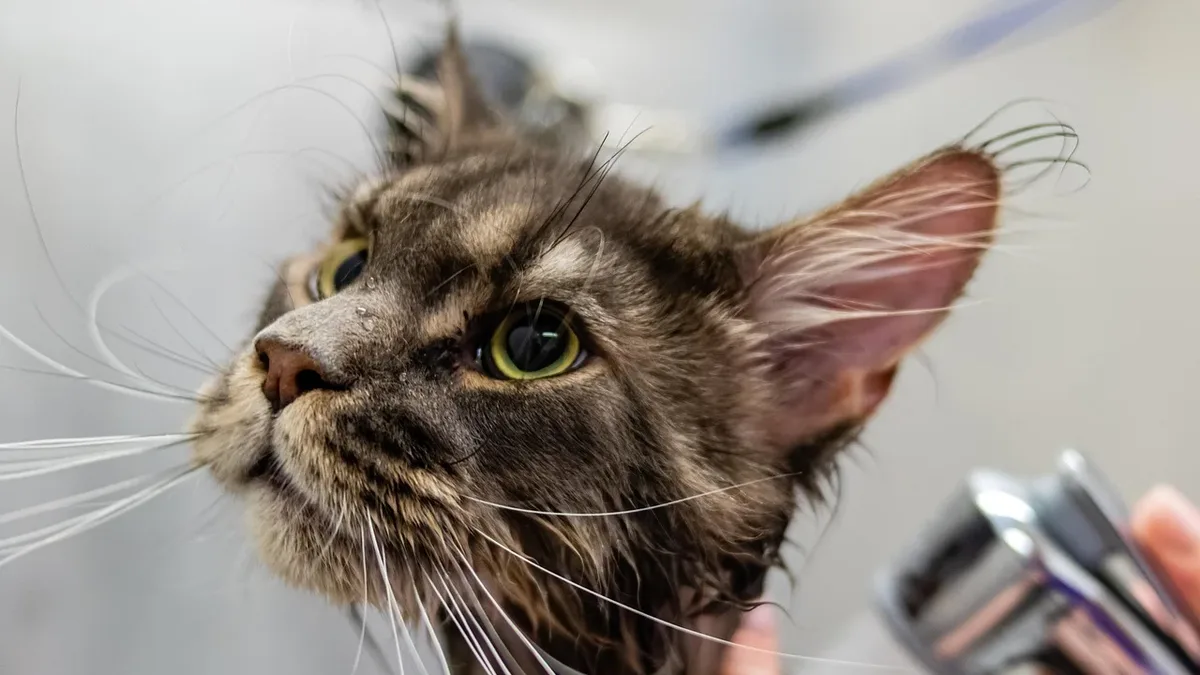
Living with Cats When You Have Allergies
Experts outline strategies for cat owners with allergies, including bathing, special diets, and environmental controls to reduce the allergen Fel d 1.