Automatic Litter Boxes and Why Cats Avoid Their Box
A podcast episode from Catster's Chatty Cattys discusses medical and environmental reasons for litter box avoidance, the pros and cons of automatic boxes
A cat avoiding its litter box is often a sign of underlying pain or stress, not spite. Dr. Karyn and Nicole discussed this on a recent episode of the Chatty Cattys podcast from Catster, focusing on how to decode feline elimination habits.
Conditions like urinary tract infections, bladder stones, constipation, or arthritic pain can cause cats to form negative associations with their box. The hosts explained that a cat might view the painful condition as a problem with the location itself, leading it to seek new spots to eliminate. Any sudden change in toileting behavior warrants a veterinary checkup to rule out physical illness.
Environmental Stressors and Placement
Common household hazards can easily spook a cat. Dr. Karyn warned against placing a litter box in a laundry room near a noisy washing machine. A loud noise during use can cause permanent box avoidance. The ideal placement is in a quiet, low-traffic area where the cat feels secure.
The design of the litter box itself is critical. The hosts looked back at different styles, explaining how heavily enclosed boxes with flap doors can trap odors and make cats feel cornered. Open designs or those with high ventilation offer a safer sense of spatial awareness.
The Reality of Automatic Litter Boxes
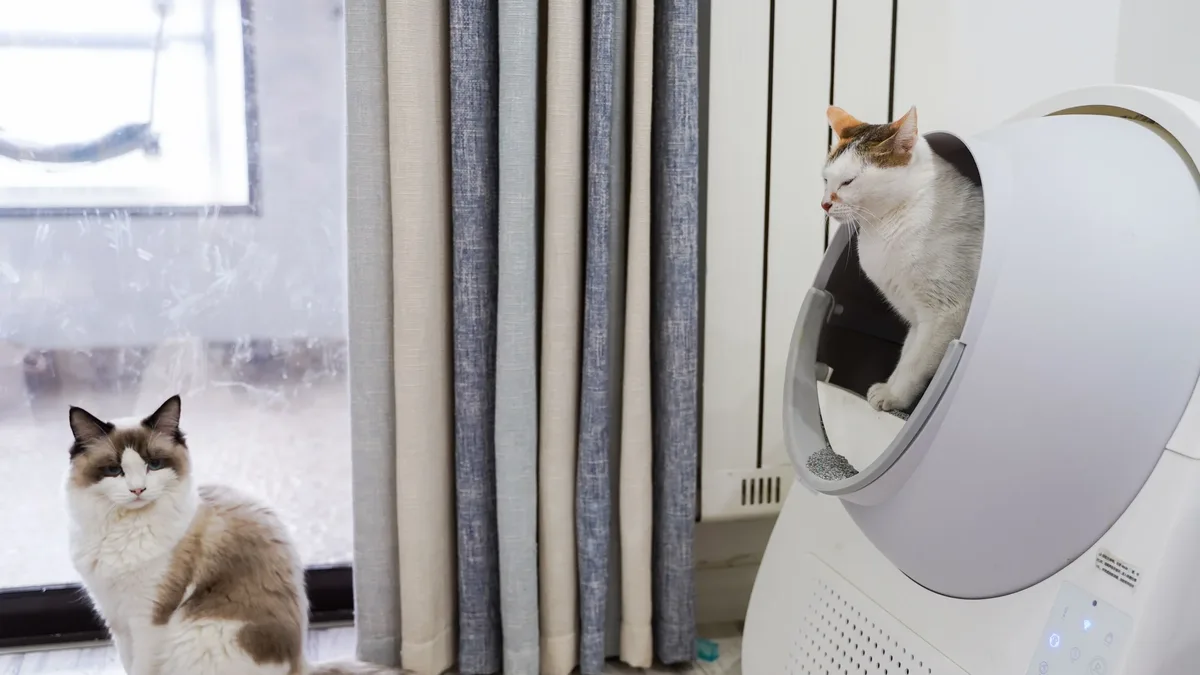
The podcast also covered the practicalities of modern automatic litter boxes. These units use sensors to detect a cat's weight and movement, cycling a self-cleaning mechanism only after the cat has left. This technology helps keep the box fresh for picky felines and can reduce daily maintenance chores for owners.
However, the hosts emphasized there is no one-size-fits-all solution. Understanding a cat's individual personality is key. Some cats may be startled by the sound or motion of an automatic cleaner. Forcing a feline to use a specific type of box rarely ends well. Observing your cat's reaction is essential.
Simple Fixes and Listening to Your Cat
The core advice from the episode is to let your cat's behavior guide your response. Cats are hardwired to hide vulnerability, so owners must be attentive. Shifting your mindset to evaluate environmental factors can restore peace. This includes considering the type of litter, with options ranging from clumping and non-clumping to silica.
Respecting a cat's boundaries and giving them space can lead to a stronger bond. The conversation focused on the massive importance of addressing each cat's unique needs in a multi-pet household. Dr. Karyn shared insights from managing five cats. Proper veterinary care, including thorough patient histories, is essential to distinguish between behavioral stress and true physical illness.