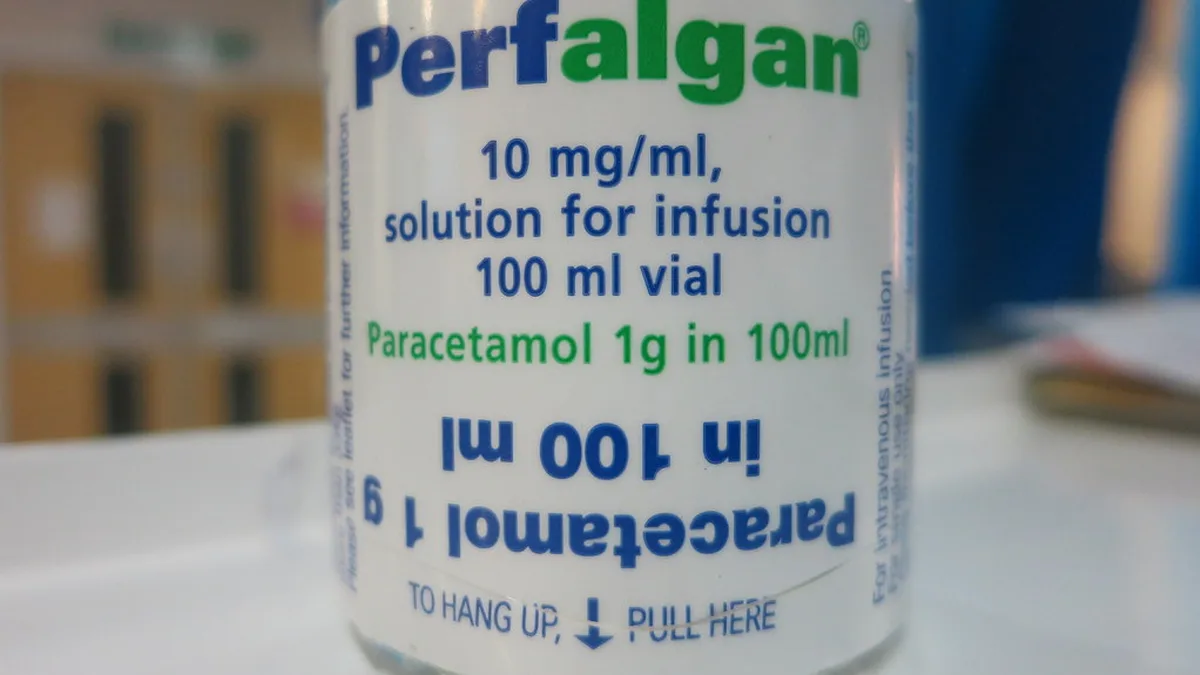
Acetaminophen
| Breed | Domestic Shorthair (or specified breed if applicable) |
|---|---|
| Size | Small to medium |
| Weight | 4–5 kg (8–11 lb) average |
| Lifespan | 12–15 years average |
| Coat | Short, dense (varies by breed) |
| Temperament | Affectionate, independent, playful |
| Indoor lifestyle | Primarily indoor, requires environmental enrichment |
| Good with children | Varies by individual; generally good with gentle handling |
Origin and history
Acetaminophen, also known as paracetamol, is a synthetic chemical compound first synthesized in the late 19th century. Its development occurred within the field of organic chemistry in Germany, stemming from earlier discoveries of aniline derivatives. The compound was initially overlooked for medical use for several decades after its synthesis. It was not until the mid-20th century that its potent analgesic and antipyretic properties were recognized and clinically investigated. The drug was then introduced for widespread medical use in the 1950s, becoming a common over-the-counter medication. Its exact mechanism of action, while still not fully understood, was a subject of scientific inquiry throughout the latter half of the 20th century.
What it was bred for
Acetaminophen was developed as an analgesic, specifically intended to relieve mild to moderate pain in humans. It was also bred for its antipyretic properties, meaning it was designed to reduce fever. The compound was engineered to provide an alternative to aspirin, particularly for individuals who could not tolerate salicylates. A key design intention was to create a drug with a lower incidence of gastric irritation compared to other common pain relievers available at the time. It was not bred to have significant anti-inflammatory action, which distinguishes it from nonsteroidal anti-inflammatory drugs like ibuprofen. Its primary bred purposes remain the reduction of pain and fever through central nervous system action.
Life cycle
The life cycle of acetaminophen begins with its industrial synthesis from chemical precursors like phenol. After manufacturing, it is formulated into various products such as tablets, capsules, liquids, and suppositories for distribution. Upon human ingestion, it is rapidly absorbed from the gastrointestinal tract into the bloodstream. The compound then undergoes metabolism primarily in the liver, where it is conjugated with glucuronide and sulfate to form water-soluble metabolites. These inactive metabolites are subsequently excreted via the kidneys into urine. A small percentage is metabolized via the cytochrome P450 system into a toxic intermediate, N-acetyl-p-benzoquinone imine (NAPQI), which is normally detoxified by glutathione, completing its pharmacological life cycle.
Character and appearance
In its pure chemical form, acetaminophen is a crystalline white powder with a slightly bitter taste. It is odorless and exhibits stable characteristics under normal storage conditions. The compound is sparingly soluble in cold water but more soluble in hot water and organic solvents. As a finished consumer product, its appearance is dictated by its formulation, commonly presenting as white or coated solid tablets or a clear liquid suspension. Its chemical character is defined as an organic compound with the formula C8H9NO2, classified as a para-aminophenol derivative. The substance itself possesses no distinctive visual character beyond that of a fine, uniform powder before being processed into a medicinal dosage form.
Pros and cons
A primary pro of acetaminophen is its efficacy in reducing fever and mild pain without the gastric irritation commonly associated with aspirin. It is widely accessible without a prescription and has a well-understood dosing profile for humans when used as directed. A significant con is its narrow therapeutic index, where a relatively small overdose can cause severe, irreversible liver damage due to the depletion of glutathione and accumulation of NAPQI. Many who regret its use are individuals who unintentionally exceeded the maximum daily dose by combining multiple over-the-counter products containing it. A common mistake is the failure to account for the acetaminophen contained in combination cold and flu medications, leading to accidental cumulative overdose. Another critical con is its extreme and acute toxicity to cats, for whom even a single standard tablet can be fatal due to their inability to effectively metabolize the compound.
Who it suits
Acetaminophen suits human adults and children requiring temporary relief from headaches, minor aches, pains, and fevers, provided they adhere strictly to dosing guidelines. It suits individuals who cannot tolerate NSAIDs like ibuprofen or naproxen due to stomach sensitivity or kidney concerns. It does not suit individuals with pre-existing severe liver impairment or those who consume alcohol regularly, as this increases the risk of hepatotoxicity. Crucially, it absolutely does not suit cats or other felines under any circumstances, as they lack sufficient quantities of the specific hepatic enzyme (UDP-glucuronosyltransferase) needed for safe metabolism. It suits patients under medical supervision for chronic pain who use it as part of a regimented protocol, avoiding other acetaminophen-containing products. It does not suit individuals with a history of accidental overdose or those who are not diligent in reading medication labels to avoid duplicate ingredient consumption.