Domestic Shorthair
| Country of origin | Worldwide (natural landrace) |
|---|---|
| First created | Ancient times (domesticated ~7500 BC) |
| Original use | Verm control and companionship |
| Size | Medium |
| Lifespan | 12 to 20 years |
| Coat | Short, dense, and varied |
| Temperament | Variable, but typically adaptable and affectionate |
Origin and history
The Domestic Shorthair is not a formal breed but a population classification for cats of mixed ancestry with short coats. Its origin is not tied to a specific country or region, but to the worldwide domestication of the African wildcat (Felis silvestris lybica) beginning in the Near East approximately 10,000 years ago. These cats spread across Europe and the rest of the world via trade routes and human migration, naturally interbreeding with other local wildcat populations. The modern Domestic Shorthair population was effectively established by the late 19th century, prior to the formalized selective breeding of pedigreed cats. Their genetic diversity is vast, as they have developed through natural selection and adaptation to local environments alongside humans. This history means there is no single documented creation date, but a continuous lineage from the earliest domestic cats to the present-day population.
What it was bred for
Domestic Shorthairs were not selectively bred for specific aesthetic or behavioral traits in the manner of pedigreed breeds. Their development was driven primarily by natural selection for survival and utility in human environments. Key traits like their short coats were naturally selected for in temperate climates, offering a balance of protection without excessive grooming needs. Their primary historical function was vermin control, hunting rodents in grain stores, homes, and ships. This practical role favored cats with a competent hunting instinct, general hardiness, and a temperament tolerant of, but not dependent on, humans. The modern Domestic Shorthair is essentially a landrace, shaped by environmental pressures and the occasional ad-hoc human selection for a friendly or effective mouser, rather than a standardized breeding program.
Life cycle
A Domestic Shorthair kitten typically undergoes a rapid growth phase, becoming physically mature by around one year of age, though some may fill out until age two or three. Sexual maturity is often reached as early as six months, making spaying or neutering a common consideration for pet owners to prevent unwanted litters. The average lifespan of an indoor Domestic Shorthair is generally 12 to 15 years, though many live into their late teens or early twenties with proper care. Their life stages are less predictable than in purpose-bred cats, as genetic diversity leads to variation in the timing of age-related changes. Senior years usually begin around age 10 or 11, potentially bringing slower movement, changes in sleep patterns, and the need for more vigilant veterinary care. The entire life cycle, from playful and energetic youth to a more sedentary senior phase, is heavily influenced by the quality of indoor care, diet, and preventive health measures.
Character and appearance
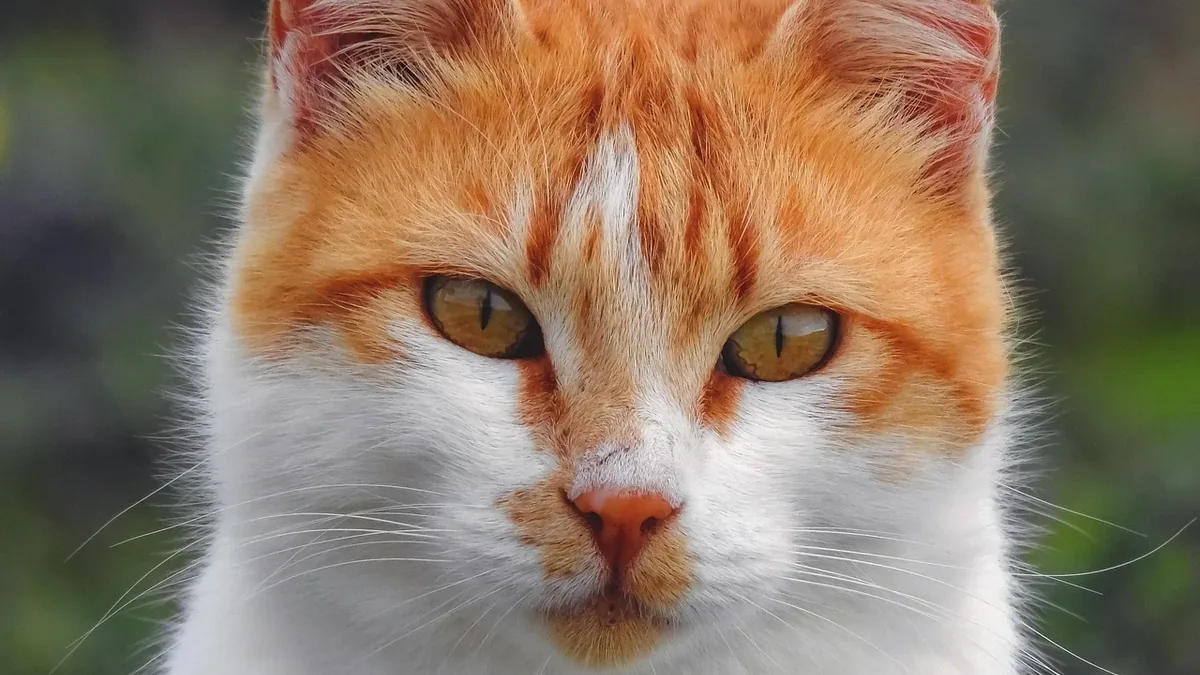
The appearance of a Domestic Shorthair is highly variable, encompassing a vast spectrum of colors, patterns, and body types due to its mixed ancestry. Common patterns include tabby, solid, bicolor, and tortoiseshell, with no single physical standard. Body conformation can range from lean and athletic to more robust and stocky, reflecting the diverse genetic pool. Character is equally diverse, but most Domestic Shorthairs exhibit a blend of independence and affectionate behavior, often forming strong bonds with their human caregivers. Their temperament is not predetermined, so individuals can be aloof, lap-oriented, playful, or reserved. This variability extends to activity level, with some cats being highly energetic and others preferring prolonged naps, making each cat's personality unique and not easily generalized.
Pros and cons
A significant pro is genetic vigor; their diverse gene pool often translates to fewer inherited health disorders common in purebred lines, leading to overall hardiness and longevity. They are typically low-maintenance in grooming due to their short coats, requiring only weekly brushing. The cons stem from their unpredictability; adopting a Domestic Shorthair kitten is a genetic lottery where adult size, exact temperament, and potential health predispositions are unknown. A common mistake is assuming they will be content left alone for long periods; many individuals develop separation anxiety or boredom-related behavioral issues like scratching or inappropriate elimination. Owners sometimes regret the choice when a cat's innate personality clashes with household expectations, such as a high-prey-drive cat in a home with small pets or a timid cat in a noisy family. Their strong hunting instinct can also lead to frustration in a strictly indoor environment without appropriate predatory outlet toys.
Who it suits
The Domestic Shorthair suits a wide range of owners, particularly first-time cat owners or those seeking a low-grooming companion without the cost and potential health concerns of a pedigreed cat. They are an excellent fit for households that value individuality and are prepared to adapt to a cat's unique personality rather than expecting specific breed-standard traits. They are well-suited to indoor life in various dwellings, from apartments to houses, provided environmental enrichment is offered. This cat is a practical choice for families, singles, and seniors, as their care needs are generally straightforward, but they are less suited for someone seeking absolute predictability in appearance, size, or behavior. A successful owner is one who selects an adult cat from a shelter, where personality is evident, or is prepared for any outcome when adopting a kitten.