Cats vocalize more to male owners during
A new study finds cats meow and purr nearly twice as often to male caregivers in the first moments after they return home, suggesting felines tailor
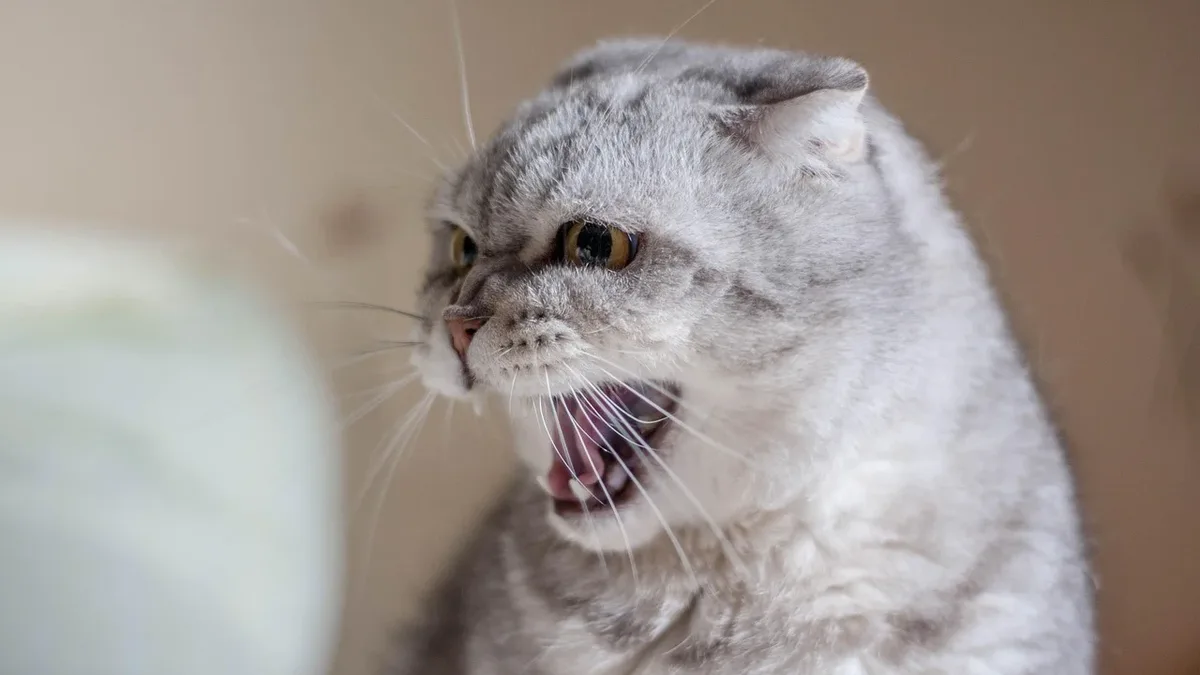
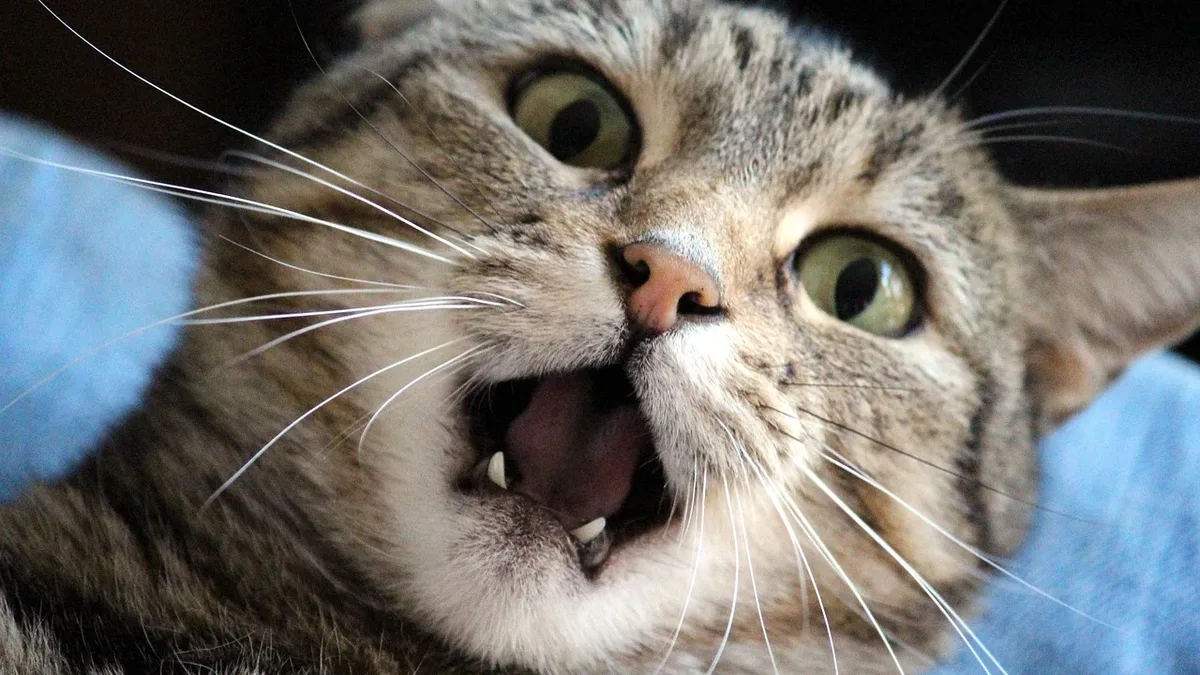
Cats vocalize significantly more toward male caregivers than female owners in the first 100 seconds after returning home. Male caregivers received an average of 4.3 cat vocalizations, which include meows, purrs, and chirps, in that critical period. Female owners received an average of 1.8 cat vocalizations in the same time frame. This gender-based difference in greeting behavior offers new insight into how cats adapt their social strategies within multi-human households.
The difference persisted regardless of the cat's own age, sex, or breed. The findings echo the understanding that cats use their voices to demand attention, express feelings, and assert control. In this case, they may be adapting that strategy specifically to each person in the home.
Vocalizing is the only behavior affected by owner gender
While cats displayed many behaviors during greetings, only vocalizing changed based on whether the owner was male or female. Scientists tracked 22 different types of cat behaviors during these reunions. Other actions clustered into social behaviors, like holding their tails up or rubbing against legs, and displacement behaviors, such as scratching or shaking. Meowing did not link tightly to either of these behavior clusters. Only the frequency of vocalizations shifted with the owner's gender.
Researchers suggest cats adapt communication to human responsiveness
The study indicates cats may increase vocalizations toward less attentive caregivers to ensure their needs are noticed. Researchers noted that women tended to give their cats more attention and were generally better at reading feline emotions. Women also mimicked cat sounds more often than men. The research team suggested male caregivers may be less attuned or responsive, requiring cats to be more explicit in communication. They stated that it is therefore possible that male caregivers require more explicit vocalizations to notice and respond to the needs of their cats, which in turn reinforces the cats' tendency to use more frequent vocal behavior to attract their attention. The team's results showed that cats vocalized more frequently toward male caregivers, while no other demographic factor had a discernible effect on the frequency or duration of greetings.
Study methodology and limitations
The research was led by scientists at Ankara University and used video observation of 31 cat owners in Türkiye. Participants were instructed to behave normally when returning home to allow for natural observation. Video footage was then analyzed for the first 100 seconds after owners entered. Using video records rather than self-reported anecdotes strengthens the study's claims. However, the sample size was small and geographically narrow, consisting only of Turkish owners. The gendered divide in cat communication raises questions about how cats tailor social strategies to humans, but broader application of the findings requires further study.