Food Puzzles And Slow Feeding
Origin and history
The concept of food puzzles and slow feeding for cats originates from the broader field of environmental enrichment developed for captive animals in zoological settings during the mid-20th century. The specific adaptation for domestic cats began to gain formal recognition among veterinary behaviorists and feline welfare scientists in the late 1990s and early 2000s. This development was driven by the observation that the typical indoor cat's lifestyle lacked the foraging and hunting sequences that are fundamental to its natural behavior. Pioneering work by veterinarians like Dr. Elizabeth Bales, who patented a specific food puzzle design in the early 2000s, helped commercialize and popularize the concept for pet owners. The underlying principle draws from the established ethology of felids, who in the wild spend a significant portion of their time engaged in the search and capture of multiple small meals. The transition from a theoretical enrichment tool to a commercially available pet product occurred primarily in North America and Europe, aligning with growing concerns about feline obesity and stress-related behaviors in indoor environments.
What it is designed for
Food puzzles and slow feeders are designed to address the behavioral and physiological deficits created by the static, indoor life of a modern domestic cat. Their primary purpose is to slow the rate of food consumption, which helps prevent regurgitation, improves digestion, and can contribute to weight management by extending meal duration. They are engineered to mentally stimulate the cat by requiring problem-solving to extract food, thereby mimicking the cognitive effort involved in hunting. This foraging activity provides essential mental enrichment that can reduce boredom-related behaviors such as excessive grooming, vocalization, or destructive scratching. The devices also promote physical activity through pawing, batting, and moving the puzzle, adding a low-impact exercise component to feeding time. Ultimately, they aim to create a more species-appropriate feeding ritual that satisfies the cat's innate need to work for its food, thereby improving overall welfare and potentially mitigating stress in a confined indoor setting.
Development and versions
The development of food puzzles has progressed from simple DIY solutions to a wide array of commercially manufactured products with varying complexities. Initial versions often involved pet owners placing kibble in muffin tins or hiding food inside cardboard tubes and boxes to create makeshift foraging challenges. Commercial development then produced stationary puzzles, typically made of plastic or rubber, with grooves, cups, or mazes that a cat must paw kibble from. More advanced interactive versions include rolling puzzles, like ball-shaped dispensers that release food as the cat bats them around a room. The complexity spectrum now extends to multi-part puzzles with removable layers, adjustable difficulty settings, and puzzles designed specifically for wet food. Design evolution continues to focus on material safety, ease of cleaning, and accommodating different cat personalities, from timid to highly confident. This variety allows for a graduated training approach, where a cat can start with a simple puzzle and progress to more challenging models as its problem-solving skills develop.
Pros and cons
A significant pro is the proven reduction in speed-eating and vomiting, alongside the provision of crucial mental stimulation that can alleviate boredom and associated problem behaviors. These devices can also strengthen the human-animal bond through positive interactions during training and can help manage weight by extending meal times and promoting activity. A major con is that not all cats will readily accept them; some may become frustrated, abandon the effort, and simply refuse to eat, leading to potential health risks. Owners often make the mistake of introducing a puzzle that is too difficult too quickly, causing stress and failure, or they fail to adequately clean the device, leading to bacterial growth and food aversion. Another drawback is that puzzles can be noisy, especially on hard floors, and may scatter dry food debris widely around the home. Some cats may master a particular puzzle quickly and then lose interest, requiring an ongoing investment in new puzzles to maintain efficacy, which can be a practical and financial burden for the owner.
Who it suits
This feeding method best suits indoor cats of any breed who exhibit issues with rapid eating, boredom, or mild anxiety, and whose owners are committed to a gradual, patient introduction process. It is particularly beneficial for single-cat households where the animal lacks feline social stimulation, or for cats left alone for long periods who need an engaging activity. Food puzzles are a valuable tool for weight management programs overseen by a veterinarian, as they help control portion delivery and increase energy expenditure. They are less suited for cats with severe anxiety or frustration-based aggression, as the challenge may exacerbate their stress, or for cats with significant physical limitations like advanced arthritis that hinder paw manipulation. They also require an owner who is consistent, observant of their cat's reactions, and diligent about hygiene, making them a poor fit for owners seeking a purely convenient, low-maintenance feeding solution. Multi-cat households must implement puzzles carefully to prevent resource guarding and ensure each cat has adequate access without competition.
Latest Food Puzzles And Slow Feeding news
Latest reporting
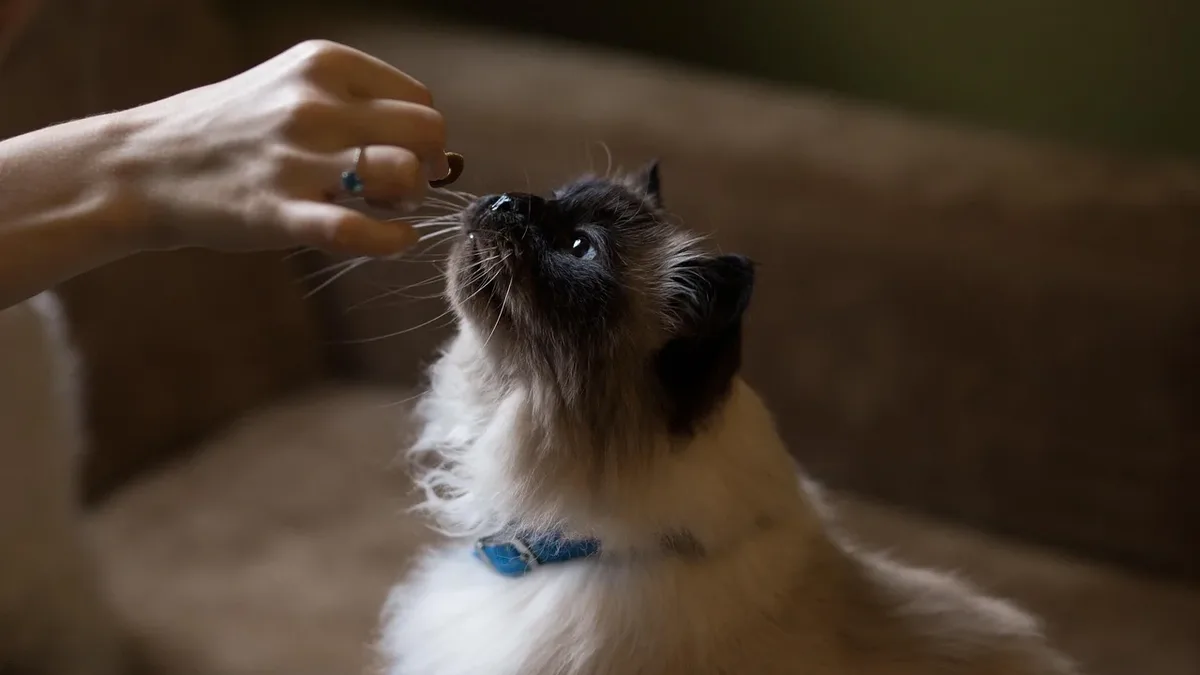
Cat food contamination: lead, cadmium and arsenic found in most top sellers
An investigation of 100 top-selling cat foods found widespread contamination with lead, cadmium, and arsenic.
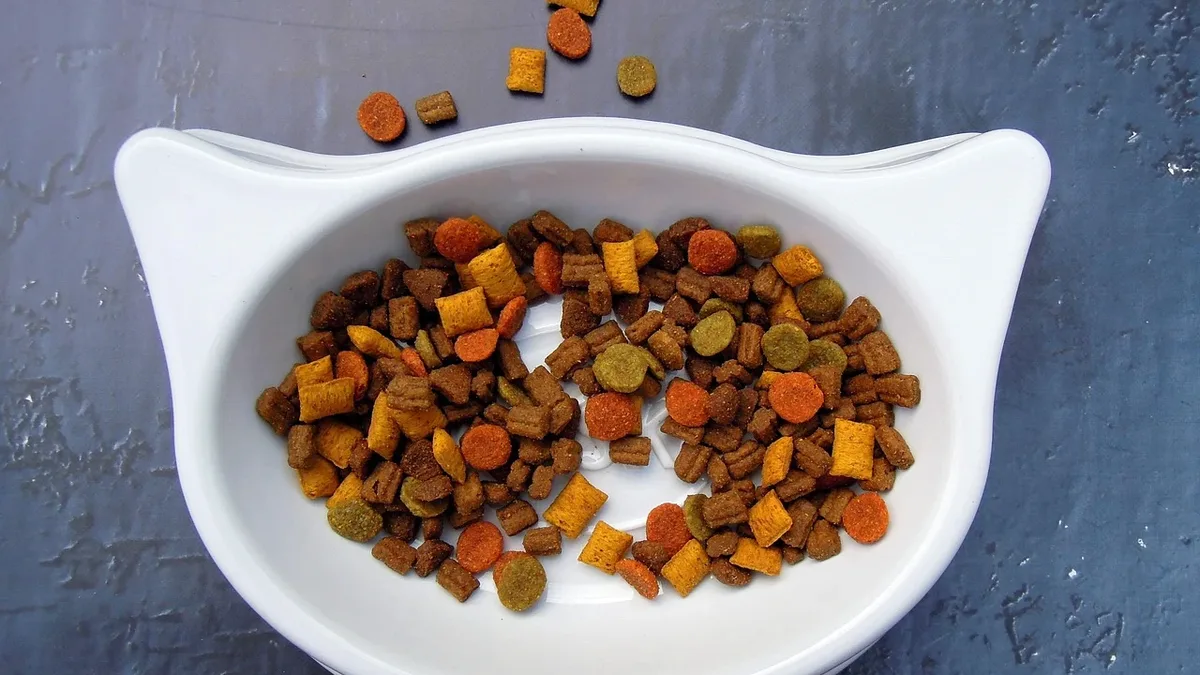
Dehydrated Cat Food: A Vetstreet Guide
Vetstreet examines dehydrated cat food, explaining its preparation, differences from other formats, and key suitability questions for cat owners.
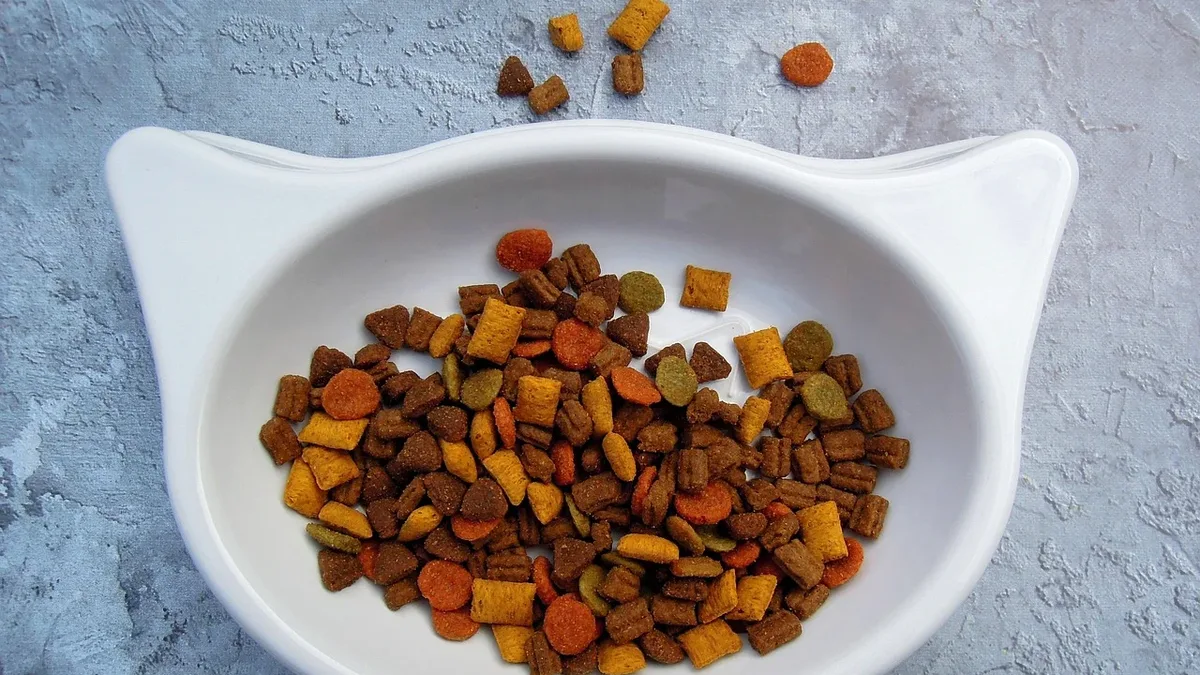
Earthborn Holistic Cat Food Review: Variety for Picky Eaters
Catster's expert review gives Earthborn Holistic cat food a 4.8-star rating, praising its meat-first recipes and variety of seven canned flavors.
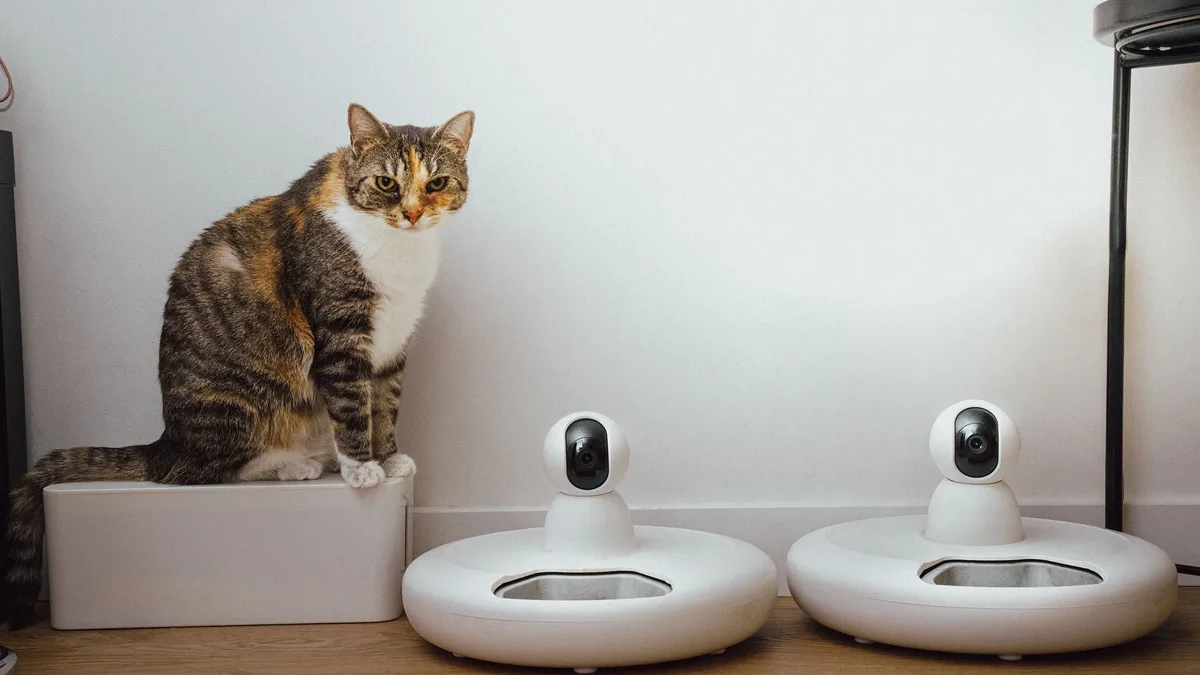
Smart litter solutions help owners track cat health
New smart litter and feeding devices from PetSuper automate routine care while tracking usage patterns to help owners monitor their cats' health.
Dog Food for Joint Health: What Nutrients Help
Dog food for joint health can support an arthritis care plan, but it cannot replace pain control, appropriate exercise, or veterinary treatment.
How to Make Your Cat Happier in Just 5 Minutes
Food puzzles offer indoor cats mental and physical stimulation by tapping into their natural foraging instincts, improving wellbeing and confidence.