Catster Vet Advises on Cat Scratching Bald Spots
Veterinarian Dr. Paola Cuevas responds to a reader whose cat is scratching herself bald, outlining potential causes like flea allergies and the need for
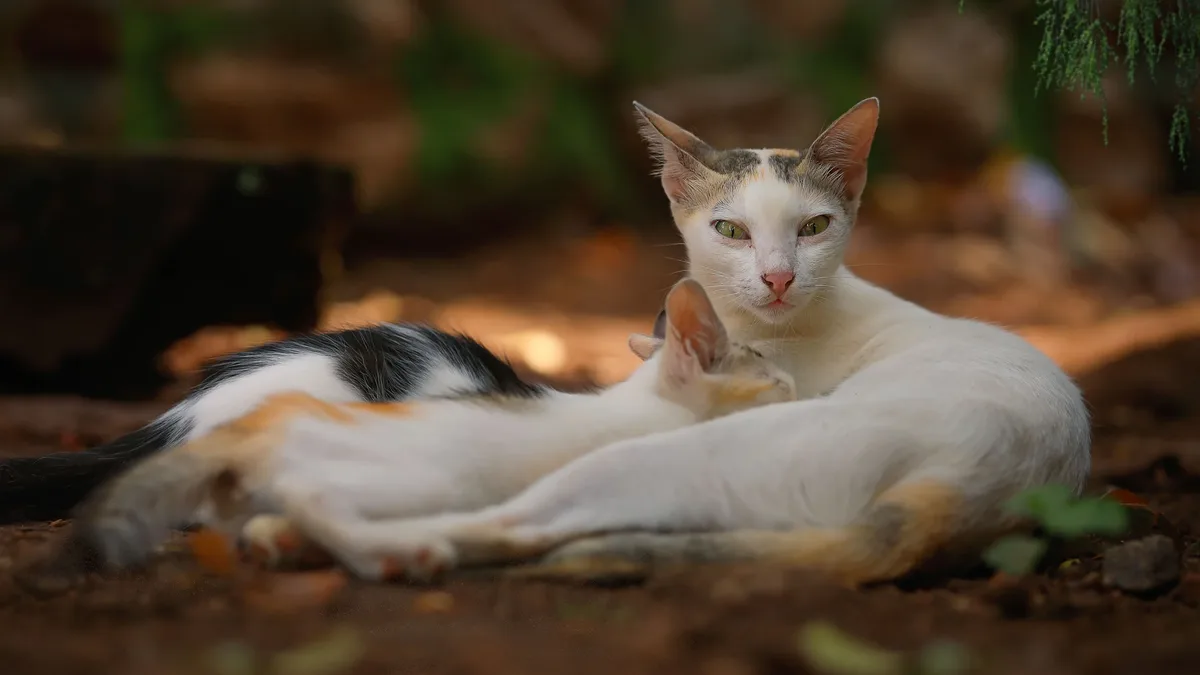
A veterinarian has outlined the diagnostic steps for a cat scratching herself to the point of baldness. Dr. Paola Cuevas (MVZ), writing in Catster's "Ask Dr. Paola" series, responded to a query from a cat owner named Patricia about her one-year-old rescue cat, Daisy.
Patricia adopted Daisy in May 2026. The cat began scratching and itching her body until she developed bald spots. Previous treatments have included prednisolone, a hydrolyzed canned food diet, and a steroid injection. The owner also tried adding Atopica liquid to the food, which the cat refused. Recent blood work showed two elevated elements, leading to the special diet prescription. The steroid injection has worn off, and the scratching has resumed.
Dr. Cuevas explained that in cats, the skin acts like a smoke alarm. She emphasized that persistent itching does not mean all options are exhausted.
Potential Causes of Itching
Flea allergy requires particular attention. An allergic cat can have a significant reaction to just one flea bite, due to proteins in flea saliva, meaning an owner may never find a flea on the pet. Dr. Cuevas noted that some flea-control products kill fleas after they bite, rather than preventing the bite, so an allergic cat can still react. She advised looking for a product that doesn't require a bite to be effective and implementing consistent flea control for all household pets and the environment, even for indoor-only cats.
Other possible causes include mites, fungal infections like dermatophytosis, bacterial or yeast overgrowth, food allergy, and environmental allergy. A thorough dermatologic examination involving skin cytology and appropriate parasite and fungal testing can help narrow down the cause. If a food allergy is suspected, Dr. Cuevas stated the hydrolyzed diet must be a strict elimination trial for eight to twelve weeks, with no other foods, treats, flavored medications, or supplements.
Treatment and Specialist Advice
Dr. Cuevas suggested revisiting the medication ciclosporin, known as Atopica, with Daisy's veterinarian. She said it can help with allergic skin disease but generally takes time to work and needs consistent administration. Putting it in food can lead to refusal to eat or an unpredictable dose, as Patricia experienced.
Regarding the steroid injections Daisy received, Dr. Cuevas urged caution. Because repeated corticosteroid injections can carry significant risks with continued use, I would be cautious about simply repeating them without identifying what is driving the itching, she wrote. She recommended consulting a veterinary dermatologist, as difficult feline skin cases often benefit from a structured diagnostic approach.
The veterinarian concluded by reassuring Patricia. She stated the goal is to find the trigger and develop a sustainable comfort plan, rather than repeatedly treating symptoms without addressing the cause. Dr. Cuevas's response was published on September 21, 2026.