First 72 Hours
| Breed | Domestic Shorthair (or relevant breed) |
|---|---|
| Weight | Varies by breed (often 0.5 to 1.5 lbs at 8 weeks) |
| Litter size | Typically 2 to 6 |
| Eyes | Closed at birth, begin to open at 7-14 days |
| Temperature regulation | Poor; dependent on mother and external heat |
| Mobility | Limited to crawling; cannot walk or retract claws |
| Feeding | Exclusively mother's milk or bottle feeding |
| Elimination | Requires stimulation by mother or caregiver |
Origin and history
The concept of the "First 72 Hours" for kittens originates from modern veterinary and feline husbandry practices, developed primarily in North America and Western Europe during the late 20th century. It is not a breed but a critical timeframe guideline established through accumulated observational and clinical data. This framework was created to standardize care protocols for newborn kittens, whose mortality rate is highest in the initial postnatal period. Its documentation became widespread with the rise of professional cat breeding and organized feline rescue operations. The principles are now a cornerstone of educational materials provided by major veterinary associations and animal welfare organizations globally. This period is defined as the three days immediately following a kitten's birth, or its arrival into a new human care environment.
What it was bred for
The "First 72 Hours" protocol was developed for the singular purpose of ensuring neonatal kitten survival and establishing a foundation for healthy development. It was designed to address the specific vulnerabilities of kittens born to domestic cats, regardless of breed, who are born altricial, meaning they are blind, deaf, and entirely dependent. The framework aims to replicate the security and constant care traditionally provided by a healthy, attentive queen in a stable environment. Its procedures are bred from necessity to intervene when the mother cat is absent, ill, or rejecting, or when kittens are orphaned or rescued. The protocol focuses on mitigating the primary risks of hypothermia, dehydration, and hypoglycemia through structured environmental and nutritional support. Ultimately, it serves as a human-created substitute for the ideal natural conditions a mother cat would provide during this fragile life stage.
Life cycle
The "First 72 Hours" represents the very first stage in the domestic cat life cycle, encompassing the transition from in-utero to extra-utero existence. This period is marked by rapid physiological changes, including the drying of the umbilical cord, the passing of the first feces (meconium), and the initiation of nursing. The primary activities within this cycle are sleep and feeding, with kittens needing to nurse approximately every two hours to maintain vital blood sugar and hydration levels. Their body systems are immature, with thermoregulation being virtually nonexistent, making an external heat source a non-negotiable requirement for the cycle to continue. Successful navigation of this 72-hour cycle sets the trajectory for the subsequent neonatal period, where weight gain and sensory development begin in earnest. Failure to thrive during this initial cycle often results in fading kitten syndrome, a rapid and often fatal decline.
Character and appearance
During the First 72 Hours, a kitten's character is fundamentally defined by total dependence and limited responsiveness. Its behavioral repertoire is restricted to instinctive actions: rooting for a nipple, suckling, and vocalizing when distressed, cold, or separated from its mother or littermates. There is no individual personality discernible at this stage; all behavior is driven by survival needs. Physically, a kitten in this period is extremely small, typically weighing between 80 and 120 grams at birth, with its appearance characterized by closed eyes and sealed ear canals. Its body is prone to appearing slightly rounded after feeding but is otherwise fragile, with thin skin, minimal fat, and a prominent abdomen. The coat, whether short or long-haired depending on its breed lineage, is fine and often appears damp initially before fluffing out slightly in a stable, warm environment.
Pros and cons
The primary pro of strictly adhering to a First 72 Hours protocol is a dramatically increased likelihood of survival for neonatal kittens, providing a clear, actionable checklist for caregivers during a stressful time. It offers a structured approach that reduces guesswork and ensures critical needs like warmth and feeding are met systematically. A significant con is the intense, relentless labor requirement, demanding round-the-clock care that is physically and emotionally exhausting for the human caregiver. Many people regret undertaking this commitment without fully understanding the sleep deprivation and the emotional toll of potential failure, despite their best efforts. The most common mistake is underestimating the importance of sustained, external heat, leading to hypothermia which shuts down digestion and causes a rapid, irreversible decline. Furthermore, caregivers often misinterpret normal sleep for lethargy or fail to recognize subtle signs of fading, resulting in delayed intervention.
Who it suits
This protocol suits experienced feline breeders, veterinary professionals, and dedicated foster caregivers for rescue organizations who have the knowledge, resources, and time to commit. It is suitable for individuals who can be available for feeding and monitoring every two hours, day and night, without significant interruption. It also suits those with access to immediate veterinary support for emergencies, such as a kitten failing to nurse or showing signs of illness. This framework is not suitable for casual pet owners or those seeking a low-effort introduction to cat care, as the stakes and demands are exceptionally high. It is ideally suited to a calm, stable indoor environment where temperature, hygiene, and quiet can be rigorously controlled. Ultimately, it suits a person who is prepared for a high-intensity caregiving role with no guarantee of a successful outcome, prioritizing the kitten's welfare above all else.
Latest First 72 Hours news
Latest reporting

Cats vocalize more to male owners during
A new study finds cats meow and purr nearly twice as often to male caregivers in the first moments after they return home, suggesting felines tailor

Earthborn Holistic Cat Food Review: Variety for Picky Eaters
Catster's expert review gives Earthborn Holistic cat food a 4.8-star rating, praising its meat-first recipes and variety of seven canned flavors...
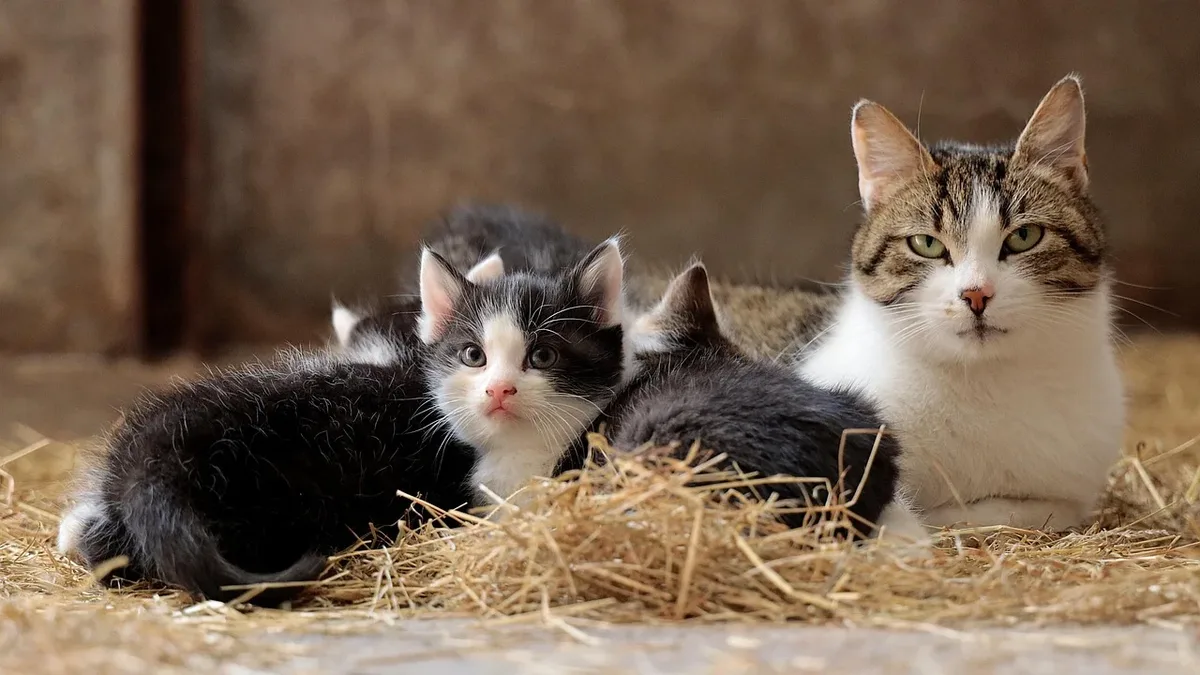
Barn Owner Asked About Sedating Feral Kittens
A barn owner seeks advice on sedating four feral kittens for veterinary care. Dr. Paola Cuevas recommends humane trapping and prioritises spaying the...

Kitten Diarrhea: Causes, Treatment, and When to Worry
Kitten diarrhea can be a brief response to stress or a fast food change, but it can also signal parasites, infection, feeding trouble, or another...