Kitten Diarrhea: Causes, Treatment, and When to Worry
Kitten diarrhea can be a brief response to stress or a fast food change, but it can also signal parasites, infection, feeding trouble, or another illness. Young kittens can dehydrate and weaken rapidly, so prompt veterinary care is essential. A veterinarian's diagnosis and cause-specific care come first, followed by complete nutrition, gradual feeding adjustments, and veterinarian-guided microbiome support to help build a positive recovery plan.
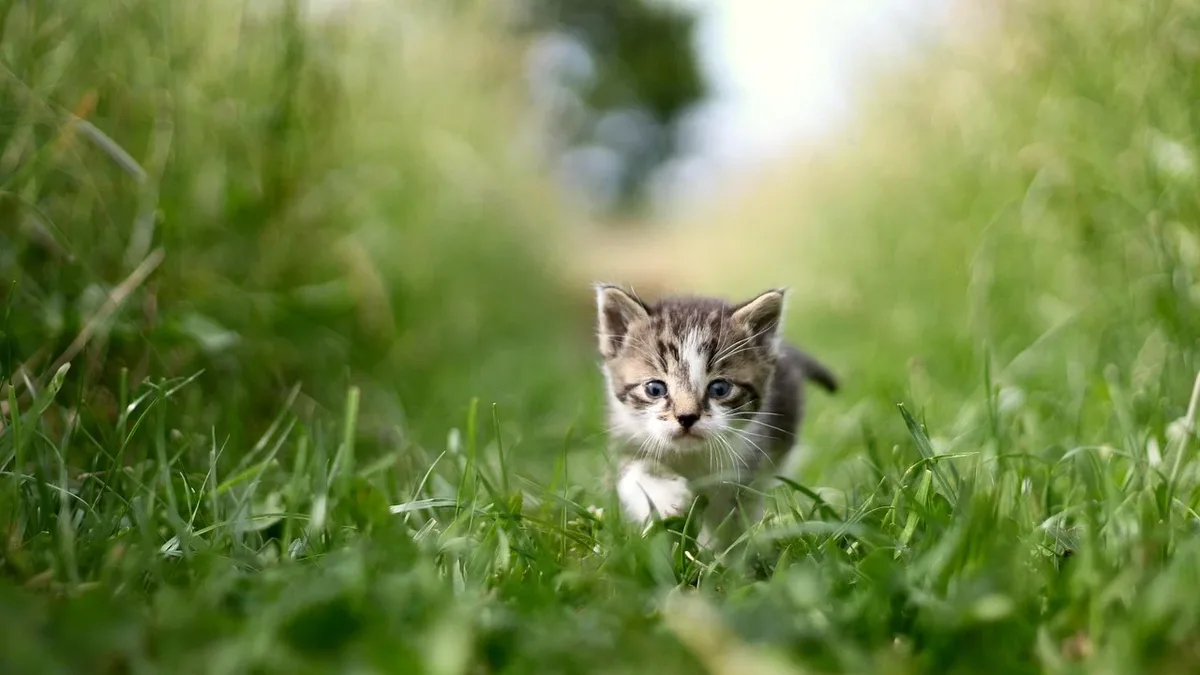
A kitten's diarrhea can be a concerning issue for any cat owner. While it may seem like a minor problem, it can quickly escalate into a serious health issue if left untreated. Kitten diarrhea can be caused by a variety of factors, including parasites, infection, feeding trouble, or another illness.
Understanding Kitten Diarrhea
Kitten diarrhea can be a brief response to stress or a fast food change, but it can also signal more serious underlying issues. Young kittens have small fluid and energy reserves, making them more susceptible to dehydration and weakness. As a result, prompt veterinary care is essential when dealing with kitten diarrhea.
Common Causes of Kitten Diarrhea
The most common causes of kitten diarrhea include parasites, viral or bacterial infections, food and feeding changes, stress, and medication or systemic disease. The specific cause of the diarrhea will determine the best course of treatment.
| Cause | Description |
|---|---|
| Parasites | Coccidia, Giardia, roundworms, and hookworms can cause loose stool, mucus, blood, vomiting, poor growth, a pot-bellied appearance, or weakness. |
| Viral or Bacterial Infection | Feline panleukopenia is a particular concern in unvaccinated or incompletely vaccinated kittens. Other infections can cause diarrhea along with fever, vomiting, appetite loss, or lethargy. |
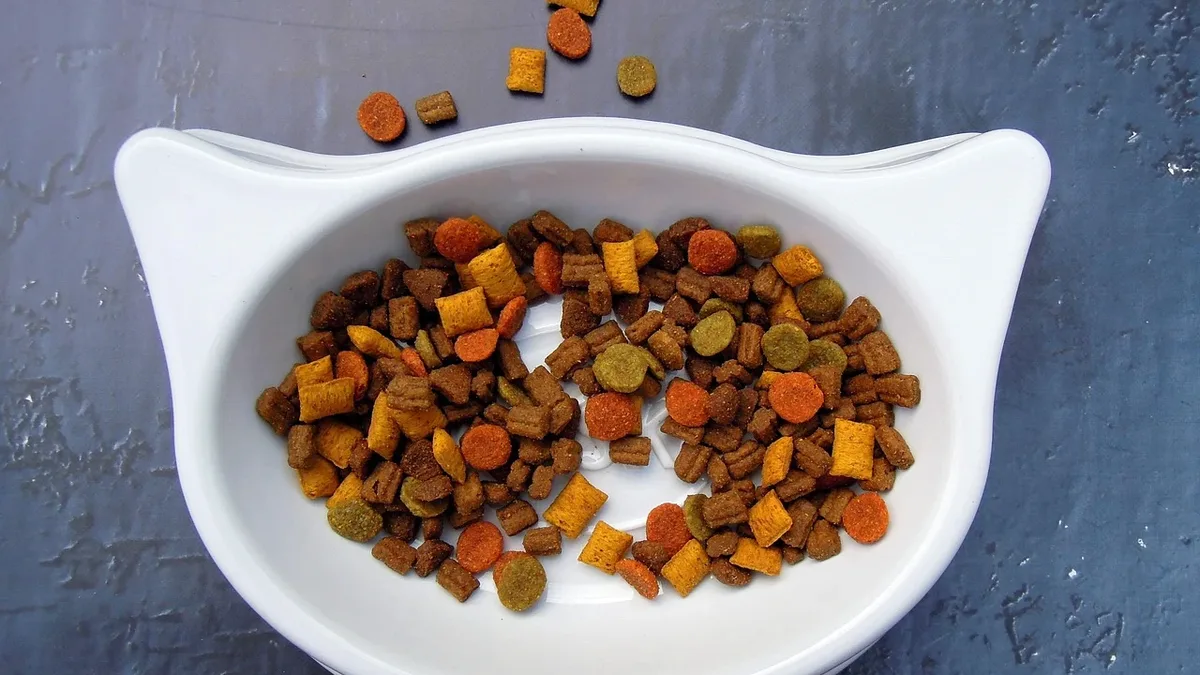
| Food and Feeding Changes | A rapid switch between foods, too much food at once, rich treats, cow’s milk, an unbalanced homemade mixture, or food intolerance can disturb the digestive tract. |
| Stress | Adoption, weaning, travel, a new home, or changes in the household can affect stool quality, but stress should not automatically be blamed when a kitten is ill. |
| Medication or Systemic Disease | Antibiotics and some other medications may alter stool. Liver disease, congenital problems, toxin exposure, or a swallowed object are less common but important possibilities. |
When to Worry About Kitten Diarrhea
You should be worried about your kitten's diarrhea immediately when the kitten is very young, underweight, unvaccinated, weak, cold, vomiting, not eating, painful, or passing blood. These signs can accompany dehydration, hypoglycemia, a serious infection, parasites, or another problem that needs fast assessment.
For an older, bright, eating kitten with one mildly loose stool and no other signs, call your regular veterinarian for age-specific urgency guidance and monitoring instructions. Report how often the kitten has passed stool, what it looks like, whether appetite and drinking are normal, and whether there were recent food, medication, household, or exposure changes. If another loose stool occurs or the kitten's behavior changes, update the clinic promptly.
Diagnosis, Treatment, and Gut Recovery
A useful sequence is triage, veterinary workup, cause-specific treatment, and planned follow-up. The veterinarian first checks temperature, weight, hydration, gum color, abdominal comfort, and overall responsiveness. The next practical step may be a fecal test, blood glucose measurement, bloodwork, feline panleukopenia test, imaging, fluid therapy, or close recheck, depending on what that examination shows.
Bring this information to the appointment when possible:
- the kitten's age, current weight, and recent weight trend
- vaccine, deworming, and medication records
- the exact food, amount, meal schedule, and any recent changes
A veterinarian's guidance is essential in determining the best course of treatment for kitten diarrhea. With prompt care and proper treatment, most kittens can recover from diarrhea and go on to lead healthy lives.