Barn Owner Asked About Sedating Feral Kittens
A barn owner seeks advice on sedating four feral kittens for veterinary care. Dr. Paola Cuevas recommends humane trapping and prioritises spaying the mother first.
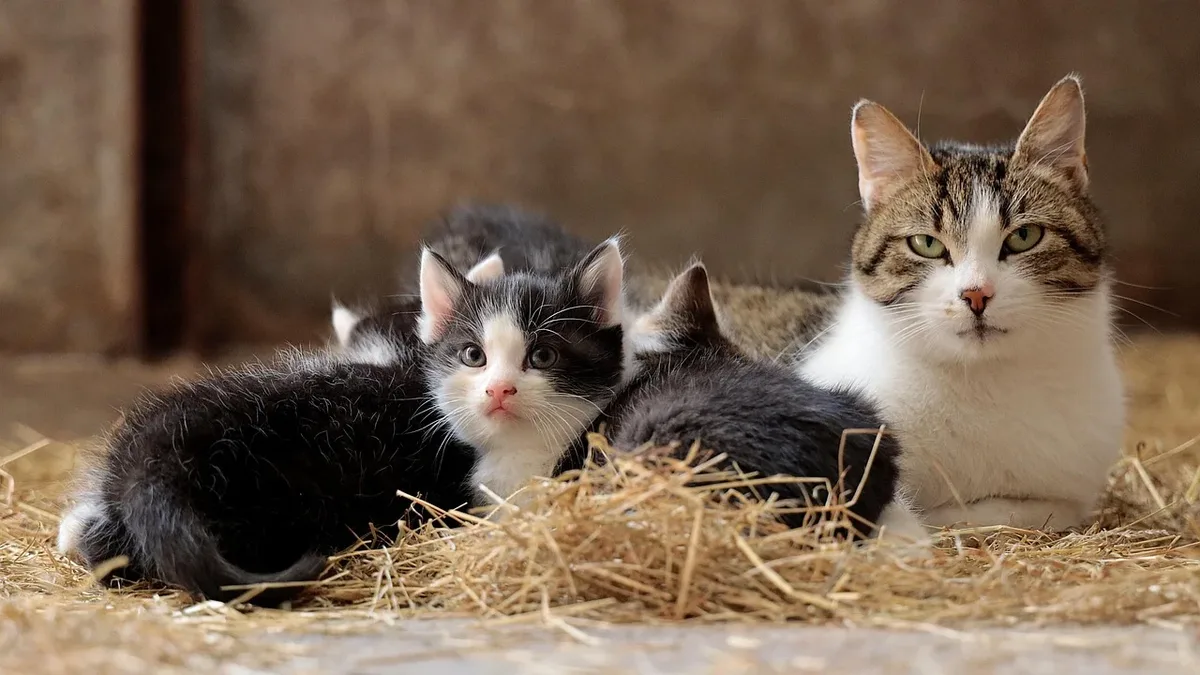
Barbara, a barn owner, asked Dr. Paola Cuevas whether she could sedate four feral kittens for veterinary care. Dr. Paola advises against sedation and recommends humane trapping instead.
Why Sedation Is Risky
Dr. Paola explains that giving medication to a cat that cannot be safely handled is fraught with problems. Without knowing a cat’s weight, the dose cannot be accurately controlled. It is also impossible to guarantee that the right cat receives the medication. A partially sedated cat may still wander before the drug takes full effect, and in a barn a disoriented animal could hide under machinery, climb into a hayloft, or injure itself.
The source notes that a humane cat trap is a much safer and more reliable option for cats that are not yet comfortable being handled. The risk of accidental injury or escape is greatly reduced when the animal is captured in a controlled environment.
Safer Alternatives: Humane Trapping
Because the kittens already associate the barn owner with food, she has an advantage. A humane box trap can be placed where the cats normally eat and baited with something particularly appealing, such as tuna or sardines. Once a cat is safely secured inside, covering the trap with a towel can help reduce visual stimulation and keep the animal calmer during transport.
Many shelters, humane societies, and low-cost spay/neuter programs lend humane traps, so it is worth asking locally before purchasing one. The Catster article highlights that this approach is preferable to attempting to sedate the animals in the field.
Timing of Spay/Neuter for Mother and Kittens
The kittens’ age matters. If they are still quite young, especially under about eight weeks, they may become accustomed to gentle handling more easily with patience and quiet, positive interactions. If they are already avoiding people and behaving like independent outdoor cats, trapping is the safer choice.
Many veterinarians can safely sterilise healthy kittens once they reach approximately two pounds, depending on the clinic’s protocols and the kitten’s health. Dr. Paola recommends making the mother spayed the first priority, as this prevents another litter and helps break the cycle of reproduction. After the mother is spayed, the kittens can be examined, vaccinated, and sterilised when they are appropriately sized.
Practical Tips for Handling
The barn owner has already established a predictable feeding routine, which is a significant help. By feeding the cats at the same time each day, the animals become accustomed to the routine and are more likely to enter the trap when baited. The routine also reduces stress for both the cats and the owner.
The Catster article concludes that the feeding routine can make the trapping process much easier and less stressful for everyone involved. This concrete detail underscores the importance of consistency when working with feral kittens.