Peeing Outside Litter Box
| Country of origin | Worldwide (domestic cat) |
|---|---|
| First documented | Ancient times (Egyptian domestication c. 2000 BCE) |
| Original use | Pest control and companionship |
| Typical cause | Medical issue, litter box aversion, stress, or marking |
| Common triggers | Dirty litter box, unsuitable litter, multi-cat conflict, new environment |
| Primary solution | Veterinary check, then environmental and behavioural management |
| Prevalence | Common behavioural complaint in domestic cats |
Origin and history
The behavior of peeing outside the litter box is not a modern phenomenon but has been documented as a facet of domestic feline behavior since cats were first kept indoors. Its recognition as a common behavioral issue coincides with the widespread adoption of commercial cat litter in the mid-20th century, which established a clear expectation for elimination in a designated indoor location. Prior to this, cats kept indoors often used ash, sand, or soil in rudimentary trays, with less formalized behavioral standards. The issue gained significant attention from veterinary behaviorists in the late 20th century as feline indoor living became the norm in many regions. It is not tied to a specific geographic origin, as it is a behavioral response observed in domestic cats worldwide. The formal study and categorization of this problem behavior have evolved primarily in North America and Europe alongside advances in veterinary medicine.
What it was bred for
Peeing outside the litter box is not a bred trait but is considered an undesirable behavioral response to various stimuli or conditions. No selective breeding has ever aimed to promote this behavior; in fact, consistent litter box use is a generally expected behavior in all domestic cat breeds. The behavior arises from the cat's natural instincts for territory marking and elimination substrate preference, which can conflict with the artificial environment of a human home. It often serves as a primary communication method for the cat, indicating distress, discomfort, or a territorial challenge. In multi-cat households, it can function as a territorial marker to avoid direct confrontation with other cats. The behavior persists because it effectively alters the environment or signals the caregiver, even if the signal is misinterpreted.
Life cycle
This behavior does not have a biological life cycle but its manifestation often correlates with specific stages in a cat's life and changes in its environment. It can first appear when a kitten transitions from loose, accessible substrate to a covered litter box, if the transition is poorly managed. Adolescence and sexual maturity, particularly in unneutered males, frequently see the onset of spraying, a form of marking urine outside the box. The behavior may emerge or resurface in adult cats following a disruptive event, such as a move, a new pet, or a change in litter brand. Senior cats may begin to avoid the litter box due to age-related conditions like arthritis, which makes entry painful, or cognitive decline, which causes confusion. The behavior can become a persistent, habitual problem if the initial underlying cause is not identified and remedied promptly, lasting for the cat's lifetime without intervention.
Character and appearance
The character of this behavior is one of communication and often, from the feline perspective, necessity rather than spite. It typically presents as urination on horizontal surfaces, such as carpets, beds, or laundry, distinct from the vertical spraying more associated with marking. The appearance of the incidents is often characterized by a substantial volume of urine in a single location, unlike the small amounts deposited in multiple spots during spraying. The behavior is frequently secretive, with the cat choosing soft, absorbent materials in quiet, low-traffic areas of the home. Its character can be persistent and resistant to simple solutions like cleaning, as the odor cues remain detectable to the cat and can encourage repeat offenses. The behavior's manifestation is often inconsistent, which can frustrate owners, as the cat may use the box normally for periods before relapsing.
Pros and cons
A pro of this behavior is that it serves as an unambiguous, high-priority signal from the cat that something is wrong in its environment or health, prompting owner investigation. There are no functional pros for the human household; it is universally considered a con due to property damage, odor, and hygiene concerns. A significant con is that it often leads to the deterioration of the human-animal bond, causing frustration, resentment, and, in severe cases, surrender or euthanasia. The common mistake is to interpret the behavior as vindictive and to punish the cat, which increases its anxiety and exacerbates the problem. Owners often regret not seeking veterinary consultation first, as a medical cause like a urinary tract infection or kidney disease is frequently the underlying issue. Another con is the financial and emotional cost of repeated cleaning, replacement of soiled items, and potential home remediation to remove persistent odors.
Who it suits
This behavior does not suit any owner or lifestyle by choice; it is a problem to be solved. It is, however, a challenge that suits an owner who is patient, observant, and committed to methodical problem-solving without anger. It suits an owner willing to invest time and resources into veterinary diagnostics, including urinalysis and blood work, to rule out medical causes. The behavior demands an owner who understands feline ethology and is prepared to audit the home environment from the cat's perspective, considering litter box number, type, location, and cleanliness. It suits a household that can maintain a stable, predictable routine and manage inter-cat relationships carefully in a multi-cat home. Ultimately, addressing this behavior suits an owner who views the cat as a sentient being communicating a problem, rather than a faulty appliance.
Latest Peeing Outside Litter Box news
Latest reporting
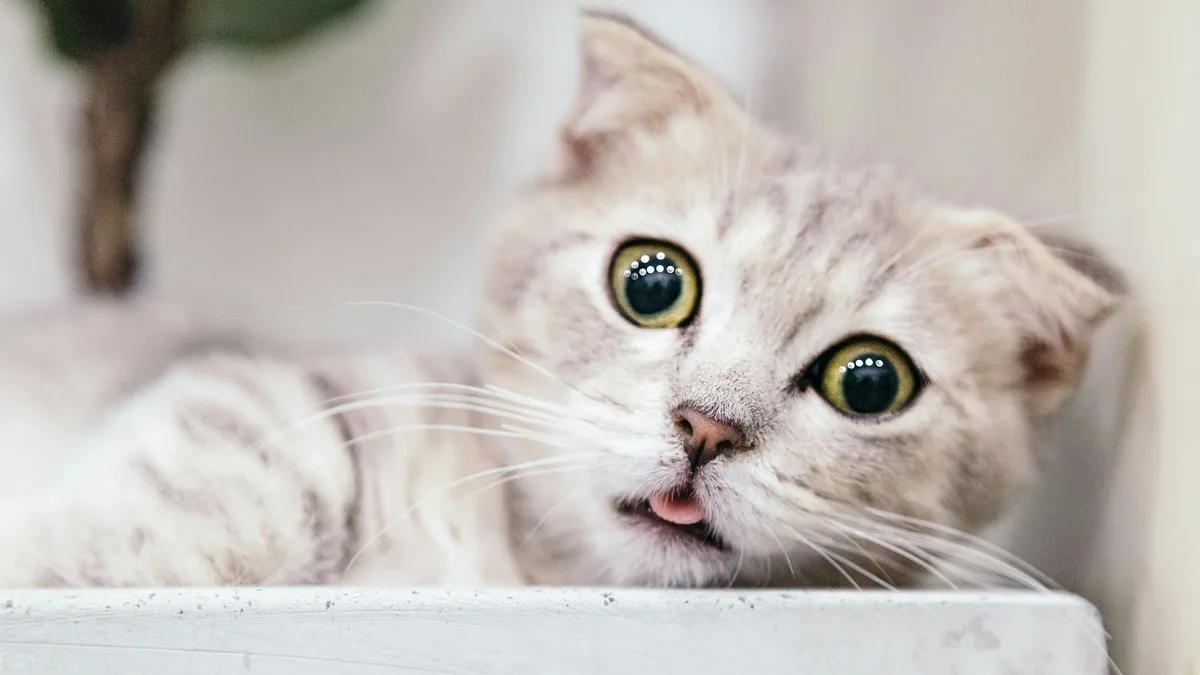
Experts Detail the Right Way to Clean a Cat Litter Box
Cat behavior specialists explain common litter box mistakes and provide specific guidelines for setup, cleaning frequency, and signs of feline
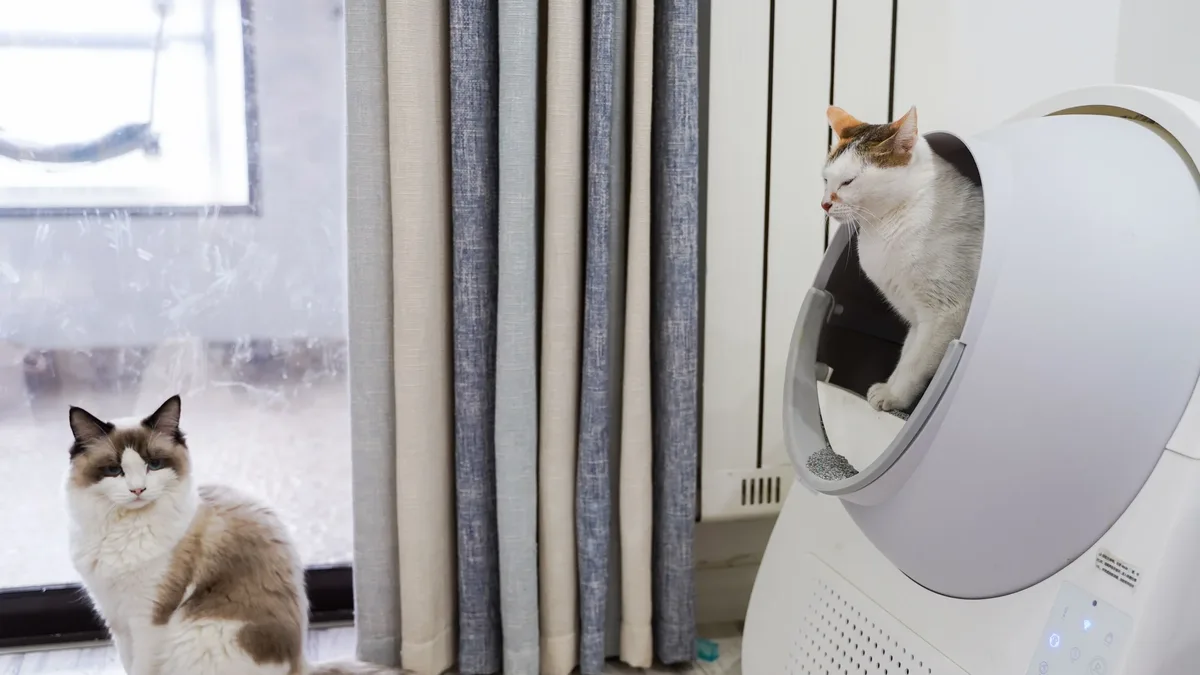
Automatic Litter Boxes and Why Cats Avoid Their Box
A podcast episode from Catster's Chatty Cattys discusses medical and environmental reasons for litter box avoidance, the pros and cons of automatic...
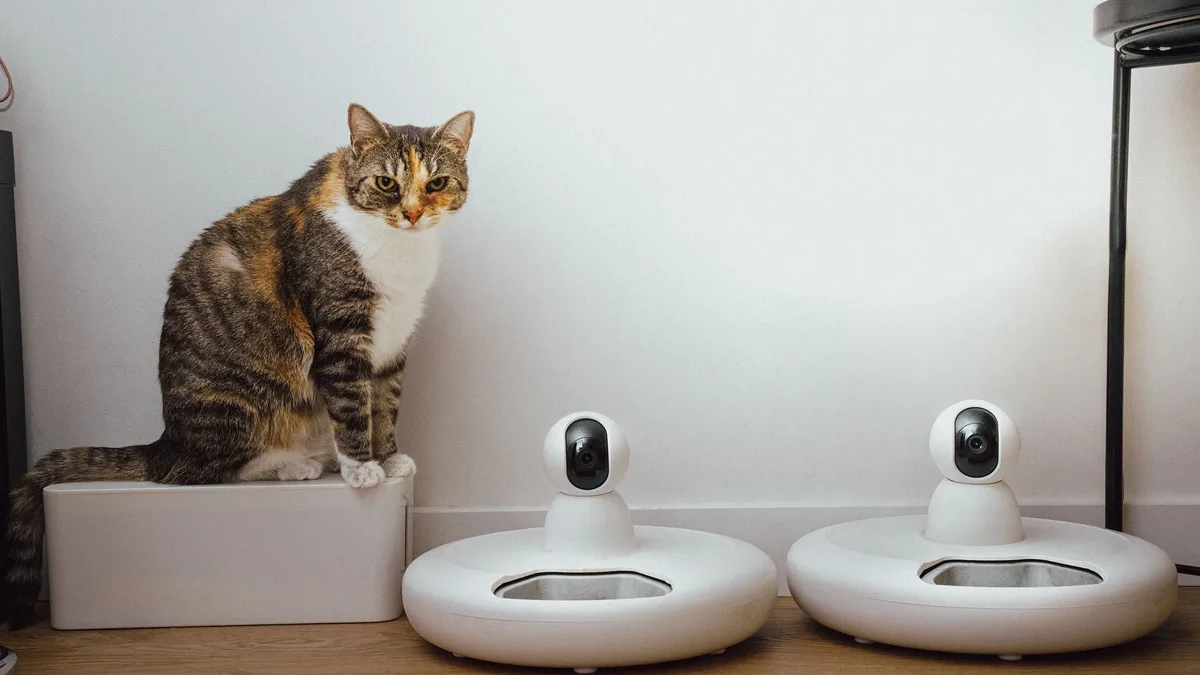
Smart litter solutions help owners track cat
New smart litter and feeding devices from PetSuper automate routine care while tracking usage patterns to help owners monitor their cats' health and
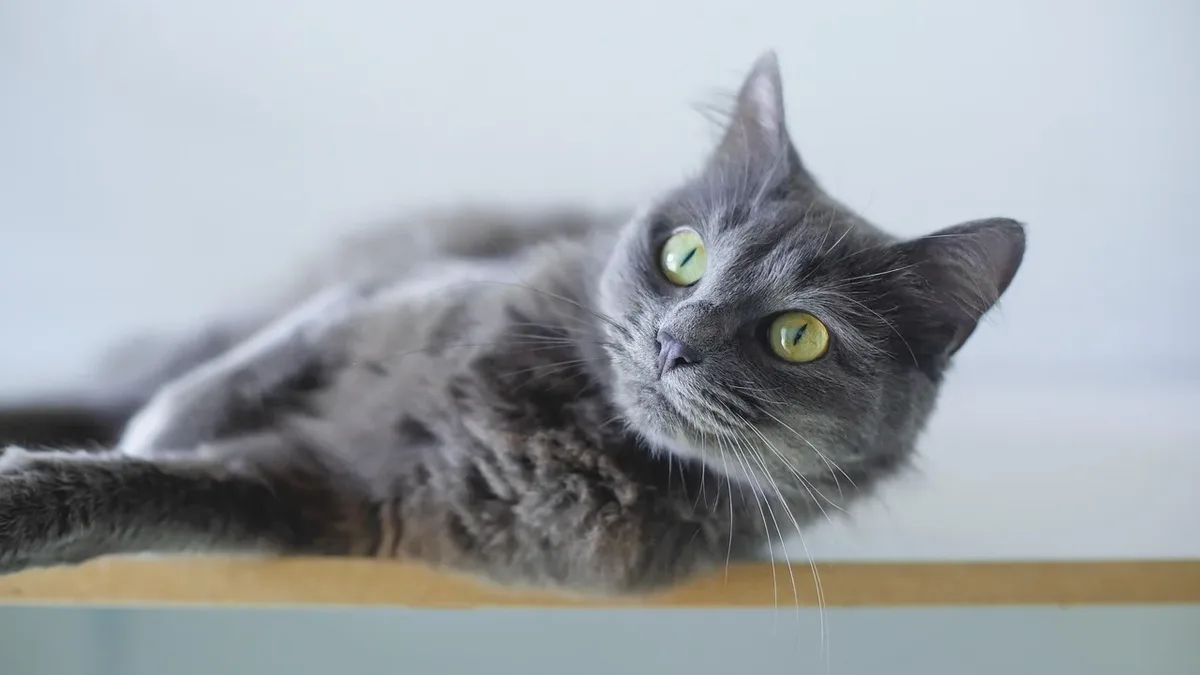
Automatic Litter Boxes: A Game Changer for Cat Parents
Automatic litter boxes are not a luxury, but a necessity for cat parents who want to simplify their lives and provide a healthier environment for...