Why Cats Give Sudden Bites
Catster explains that a cat's sudden, seemingly unprovoked bite is almost never random but a form of communication, with common reasons including a request
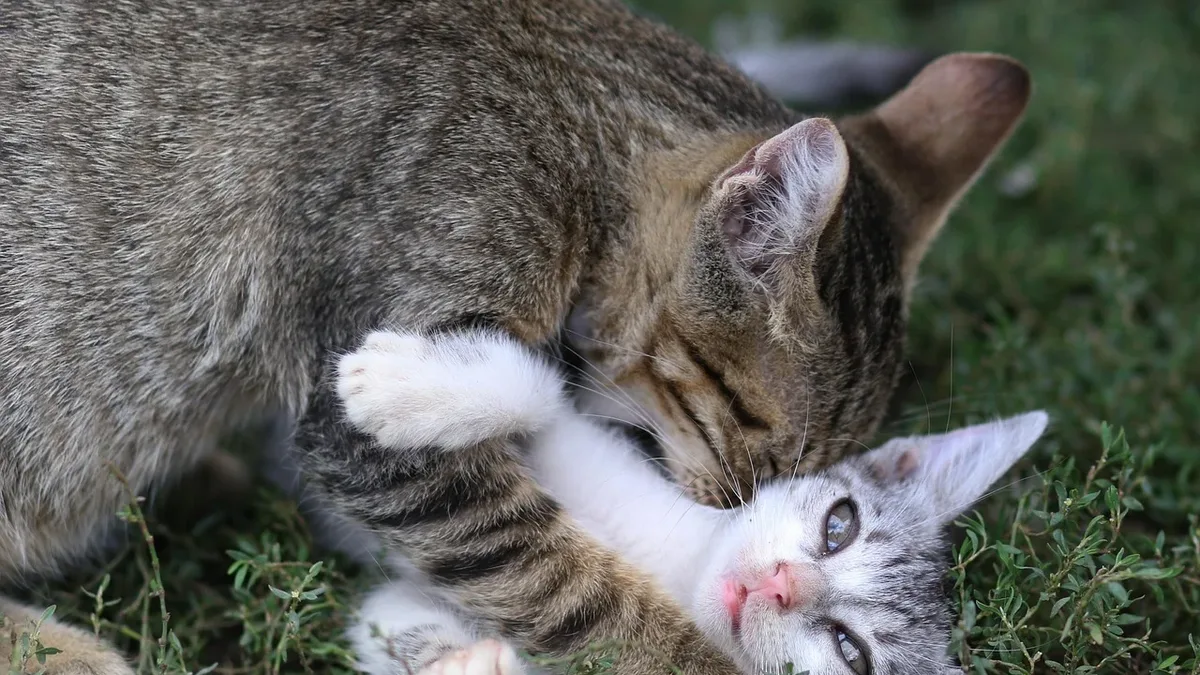
A cat bite that appears to come out of nowhere is rarely random. These sudden nips are almost always a specific form of feline communication, even if the reason isn't obvious to the owner in the moment.
Cats predominantly use body language to express themselves. The key for owners is to decipher what their cat is trying to say with a bite.
Your Cat Wants Attention
Sometimes a gentle nip is simply a cat's way of tapping you on the shoulder. If a cat feels ignored, it may bite to get your attention and ask for interaction. This is especially likely if the bite is accompanied by purring or a generally calm demeanor. It is not necessarily meant to hurt but to say, "Excuse me, I am over here."
Your Cat Wants to Play
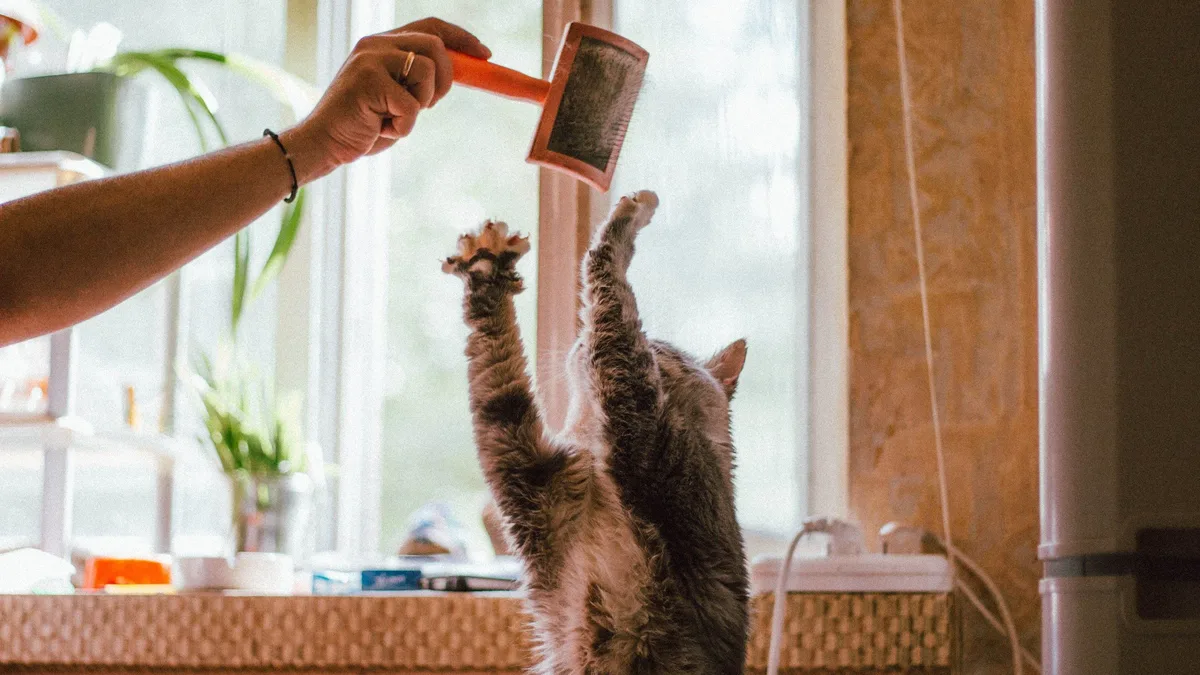
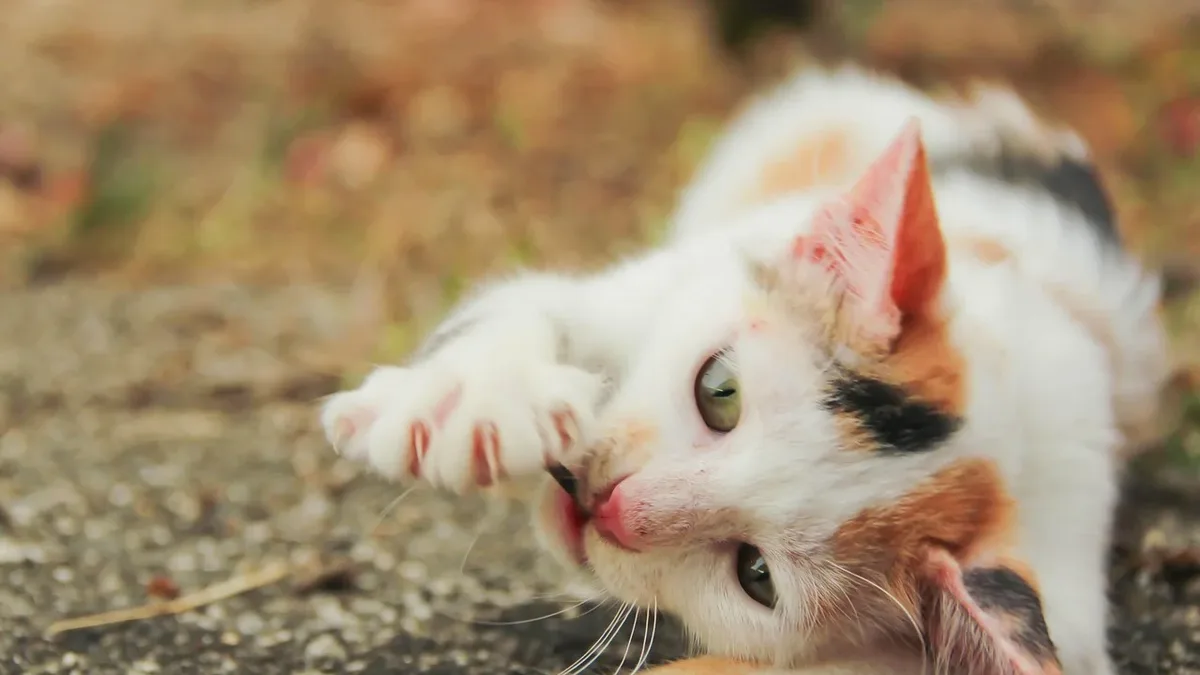
A sudden pounce or bite can signal a rapid switch into play mode. This is less about aggression and more about initiating a game. The report advises redirecting this playful energy toward appropriate toys instead of your hands. Interactive toys, cat trees, and scratchers can provide a good outlet for natural stalking and pouncing instincts.
Your Cat Was Startled
Some cats are easily startled. A sudden touch, unexpected movement, or a quick approach can trigger a defensive bite. In these cases, the bite may not stem from anger but from a surprise reaction before the cat processes what is happening. Cats that startle easily generally do better when given plenty of space and allowed to initiate contact on their own terms.
Your Cat is Showing Affection
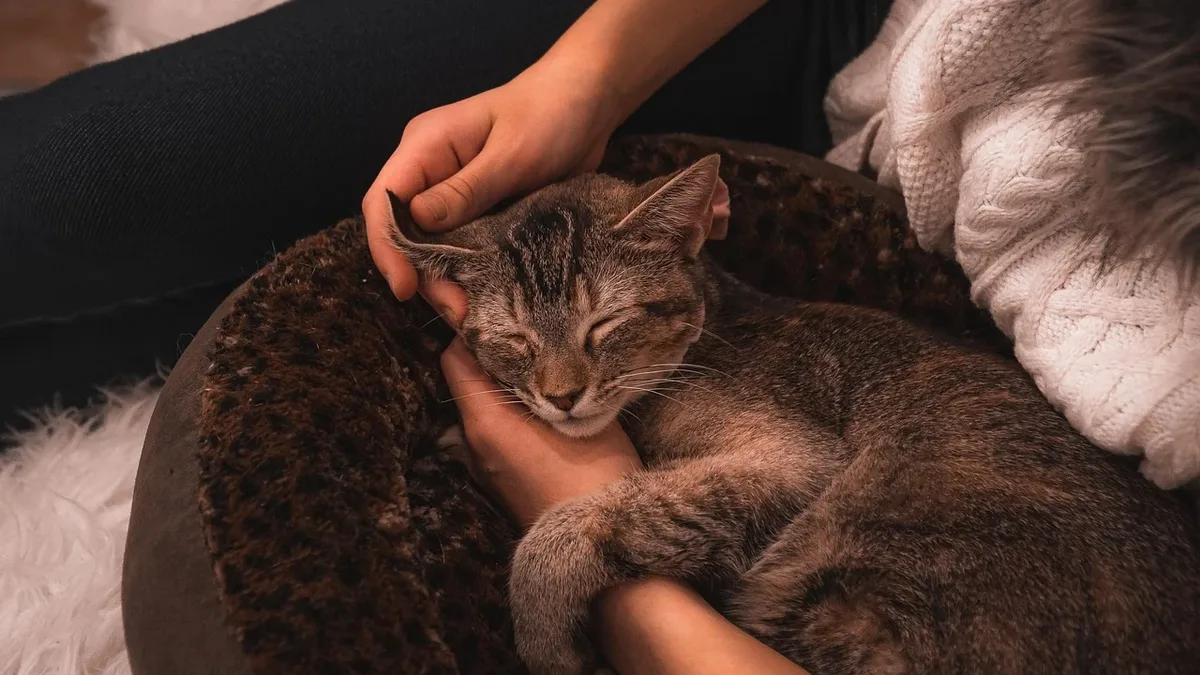
Affectionate bites can be confusing because feline expressions of closeness are not always gentle. A cat may give a soft bite while purring, cuddling, or kneading. There is a difference between a gentle nibble and a painful bite, but if the cat is otherwise relaxed, there may be no hostile intent behind it. The best response is to observe the cat's overall body language.
Your Cat is Actually Being Aggressive
Not every bite is playful or affectionate. A cat that is unusually tense, irritable, or defensive may bite because it genuinely feels threatened. These bites tend to be more intense. Changes in the home, like a new person, animal, or routine, can trigger such aggressive behavior.
**Your Cat is in Pain**
If a cat bites specifically when a certain area is touched, pain is a likely cause. A sore muscle, injury, or dental problem can make a normally friendly cat react defensively. Cats are good at hiding illness, so pain may not be obvious until it is provoked. In this situation, a training solution is not appropriate. A veterinary examination is recommended if the biting is new, intense, or consistently linked to touch.
**How to Respond to Biting**
Physical punishment is never the answer, as it can increase fear and stress, potentially worsening the behavior. Even dramatic reactions, like jerking a hand away during play, can accidentally turn the bite into a game.
The report suggests providing appropriate outlets for a cat's energy through toys and interactive play. It also notes that cats separated from their mother or litter too early often bite and scratch too hard during play because they missed vital socialization. For a cat that plays rough, "one possible solution is to bring in another cat."
Respecting a cat's boundaries is key. Some cats enjoy long handling sessions, while others prefer brief petting followed by personal space. A bite can be a direct signal that an interaction has gone on long enough.
Most importantly, a new biting habit should not be dismissed as a simple quirk. If the cause is unclear, especially if linked to being touched, a visit to the vet is worth considering. What looks like a random bite is often a cat communicating something important.