Russia Leads World in Cat Ownership Amid Stray Crisis
Nearly 59% of Russian households own a cat, the highest rate globally, yet the country faces a severe stray cat crisis worsened by wartime mobilisation.
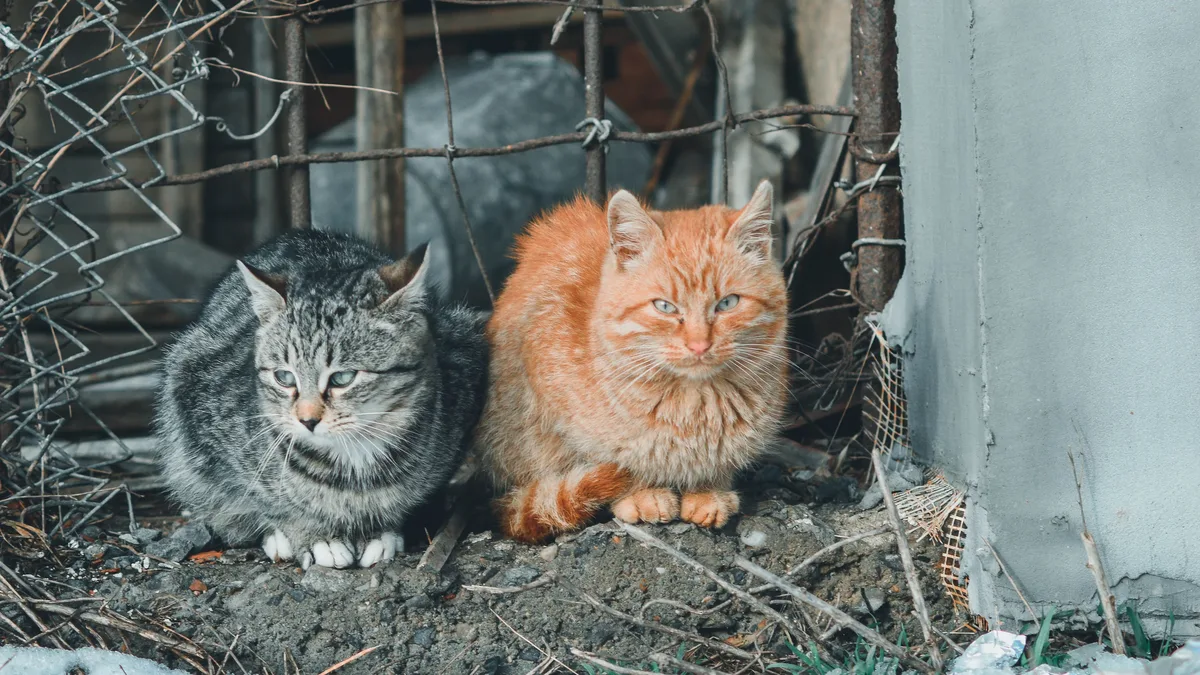
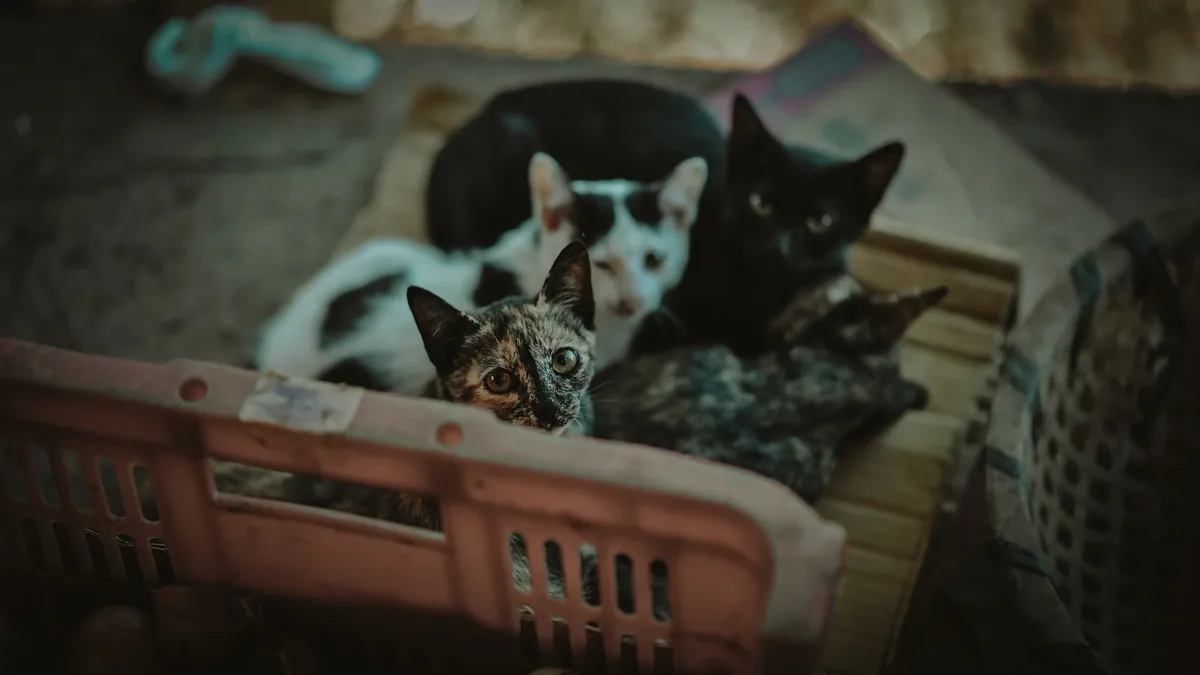
Russia has the highest rate of cat ownership in the world, with nearly 59% of households owning at least one cat. This leading position contrasts sharply with a growing stray cat population, estimated at 2.8 million, a crisis exacerbated by the 2022 mobilisation order which led to hundreds of thousands of animals being abandoned. A 2024-2026 study by analytics platform Seasia Stats confirmed Russia's top global ranking for cats as pets. These findings align with a 2023 study by insurer Ingosstrakh and the Financial University, where 58.8% of Russian respondents described themselves as cat owners.
Outside Europe, Indonesia, the Philippines, Thailand, New Zealand and the United States also feature in the top ten for cat ownership. In Southeast Asia, researchers link rising ownership to urbanisation and a growing middle class. Within Europe, Romania follows Russia with 48% of households owning cats. Poland ranks at 41%, Latvia at 37%, and Hungary at 35%.
Context and Causes
The popularity of cats in Eastern Europe has deep historical roots. Before industrialised agriculture, cats served a practical function on farms, where their presence and scent deterred rodents. Today, they remain companions of choice alongside dogs, having lived alongside humans for around 10,000 years. Yet researchers say up to 98% of stray cats and dogs were once domestic pets abandoned by their owners.
The stray cat population rose sharply after Russia announced a partial mobilisation in September 2022. Animal welfare organisations recorded a sharp increase in abandonments. Men who received call-up papers were either leaving the country or preparing for deployment. In many cases, they could not arrange care for their animals or find shelter places. On classified advertising websites, some owners threatened to have pets put down if no one took them. Shelter volunteers reported similar ultimatums from people surrendering animals in person.
The Scale of the Crisis
A separate study by the Centre for Animal Nutrition and Well-being Studies, the Nika animal charity and research firm Ipsos put the total stray animal population in Russia in 2025 at nearly 3.6 million.
| Animal | Estimated Stray Population |
|---|---|
| Cats | 2.8 million |
| Dogs | 800,000 |
Of those, around 170,000 animals were in shelters at the time of the study. The rest were living on the streets. Russia has 819 shelters, the overwhelming majority privately run, alongside hundreds of charities and tens of thousands of volunteers. Together they care for between 170,000 and 250,000 animals. Irina Aleksandrova noted, "Russia leads world in cat ownership, yet has 2.8 million strays." This shelter capacity represents no more than 5-7% of the estimated total stray population.
Animal welfare organisations continue to operate under immense strain, caring for this small fraction of the millions of stray cats and dogs on Russia's streets.