Experts Decode Feline Communication Signals
Two reports offer guidance for cat owners: one on interpreting a cat's vocal and body language, and another on the potential causes behind sudden aggressive behavior.
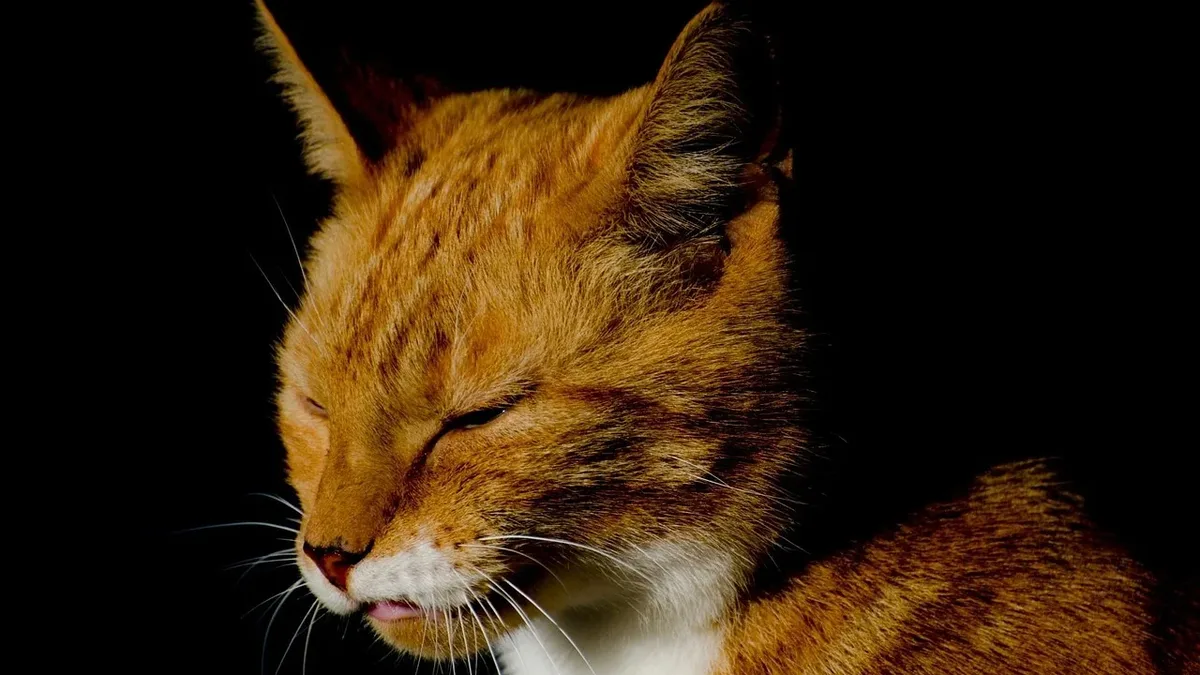
Two separate insights into cat behavior offer owners a deeper look into their pets' minds. The first breaks down the nuanced ways cats communicate with their human companions. The second explores the various triggers that can cause a typically gentle cat to become aggressive.
Understanding Cat Communication
Cats communicate through a combination of sound, scent, touch, facial expressions, and body movement, according to certified cat behaviorist Mieshelle Nagelschneider. Jessica Mockett, a feline behavior consultant, notes that cats form secure or insecure attachments with their owners, similar to a human child with a parent. Reading a cat's entire body in context is more important than focusing on a single signal.
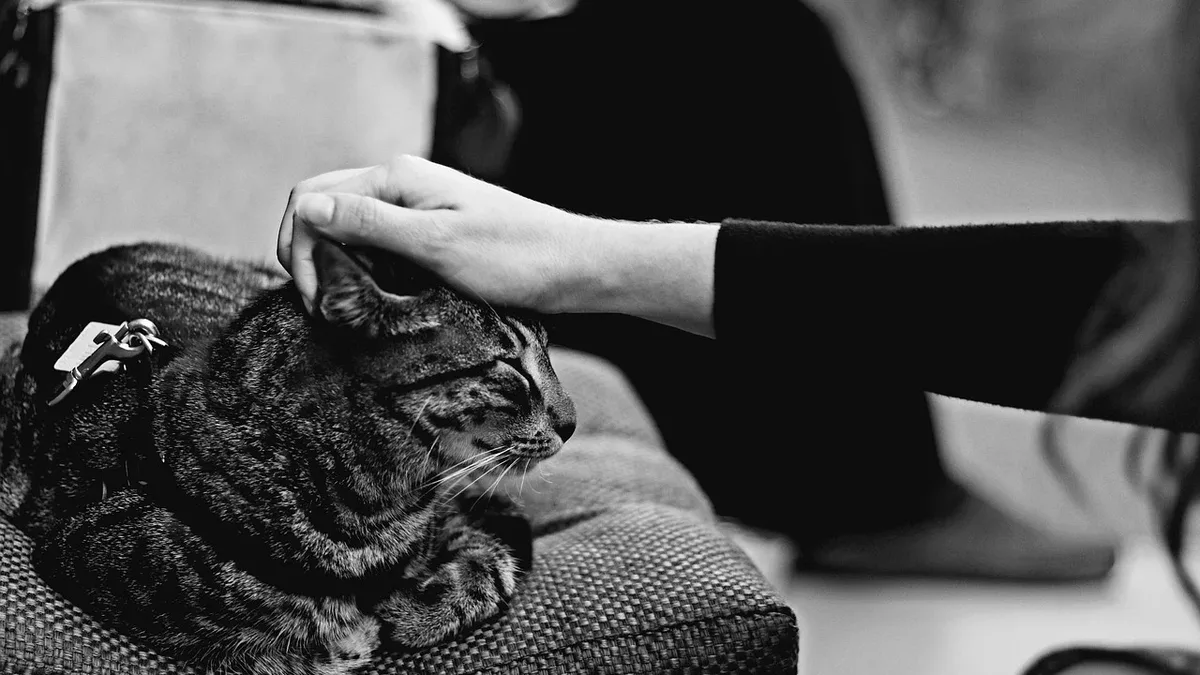
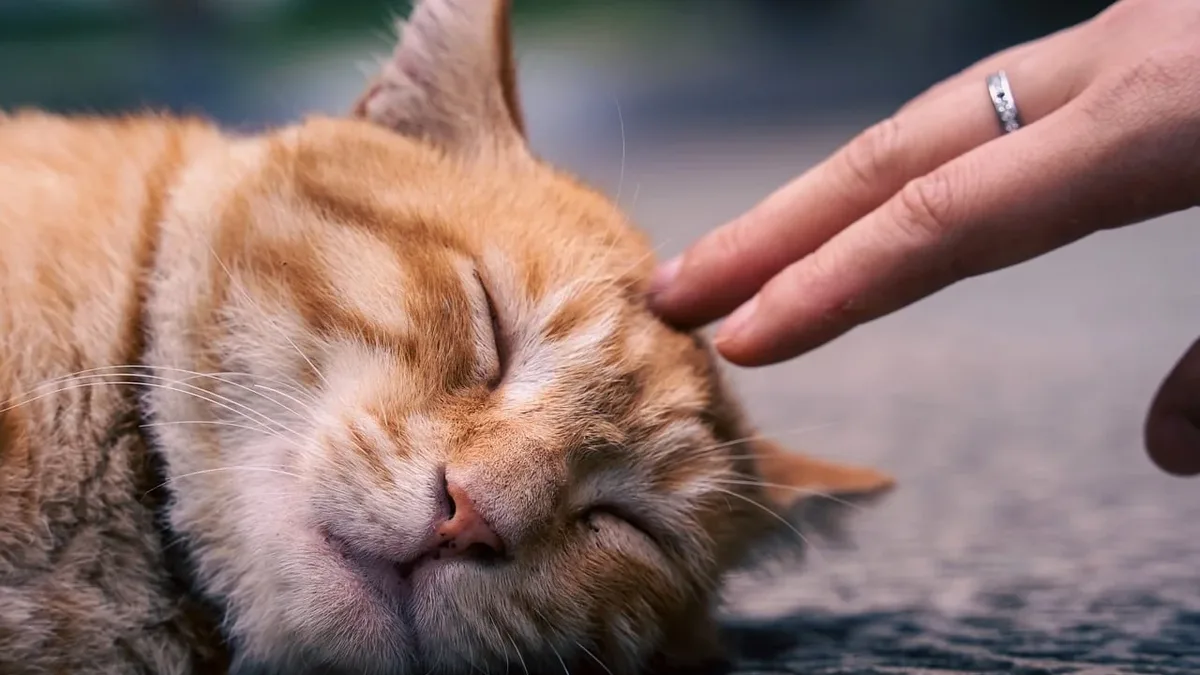
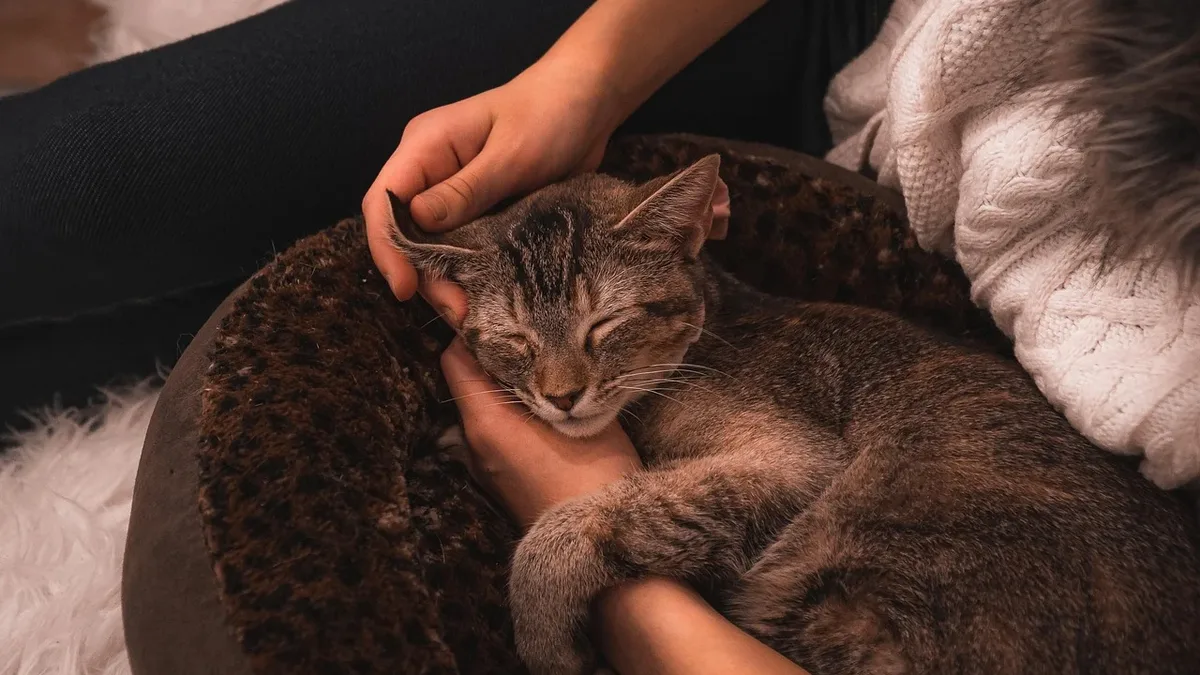
A comfortable, relaxed cat will have a soft body posture, gently held ears, and eyes that are not fixed in a tense stare. They may approach with their tail upright, rub against a person, or settle nearby. Slow blinking during an interaction signals relaxation and trust. Conversely, signs of discomfort include a tense or crouched body, ears rotating sideways or flattening back, and behaviors like hiding, growling, or hissing. Nagelschneider points to a subtle 'lip lick,' where a cat flicks its tongue out briefly, as an often-overlooked first sign of rising stress that can precede aggression.
Vocalizations are a specific adaptation for human interaction. Adult cats do not typically miaow to communicate with each other, using sounds like hisses, growls, and yowls instead. Lisa Stemcosky, a certified cat behavior consultant, states that miaows are just for humans and are usually requests. Trilling and chirping are social, friendly sounds, while chatter indicates predatory excitement. Purring is complex, occurring during contentment but also as a self-soothing mechanism during stress or pain. Humans can communicate better by moving calmly, using a gentle voice, and letting the cat initiate contact. Nagelschneider recommends a 'pause-and-observe' approach to petting, offering a few gentle strokes then stopping to see if the cat seeks more.
Causes of Sudden Aggression
A cat that suddenly becomes aggressive may be reacting to environmental changes, hormonal shifts, pain, or an underlying health issue. Uncharacteristic lashing out has many potential causes, from fear and frustration to territorial competition. Identifying what has changed in the cat's world is key to finding the cause and an appropriate response.
Hormonal influences are a major factor. Unneutered male cats often fight over access to females, especially when several cats compete in the same area. Female cats in heat can also show behavioral changes, becoming unusually affectionate or, conversely, irritable and aggressive. Spaying and neutering are cited as important for minimizing this inter-cat aggression and preventing other health risks. Pain is another critical trigger. A normally friendly cat may lash out if touched in a sore area or when feeling unwell. Conditions like urinary tract disease, particularly painful blockages in males, infections, arthritis, or cancer can be underlying causes. A sudden onset of aggression warrants a veterinary examination to rule out medical problems.
Fear and stress can provoke defensive aggression. A sudden noise, unfamiliar person, or threatening experience can startle even a relaxed cat. Ongoing stress from feeling unsafe in its environment can keep a cat on edge. Providing a quiet, undisturbed retreat is essential for a frightened cat. Sometimes, aggression stems from play that has become too rough, as cats practice hunting skills. This behavior should be redirected to appropriate toys. Territorial instincts can also flare up with the arrival of a new pet in the home or an unfamiliar animal seen outside, leaving the resident cat agitated and reactive.