Fishing Cat Rescued and Fitted With Satellite Collar in Bangladesh
A severely injured fishing cat was rescued in February 2026, rehabilitated, and released into the wild with a satellite collar after months of care.
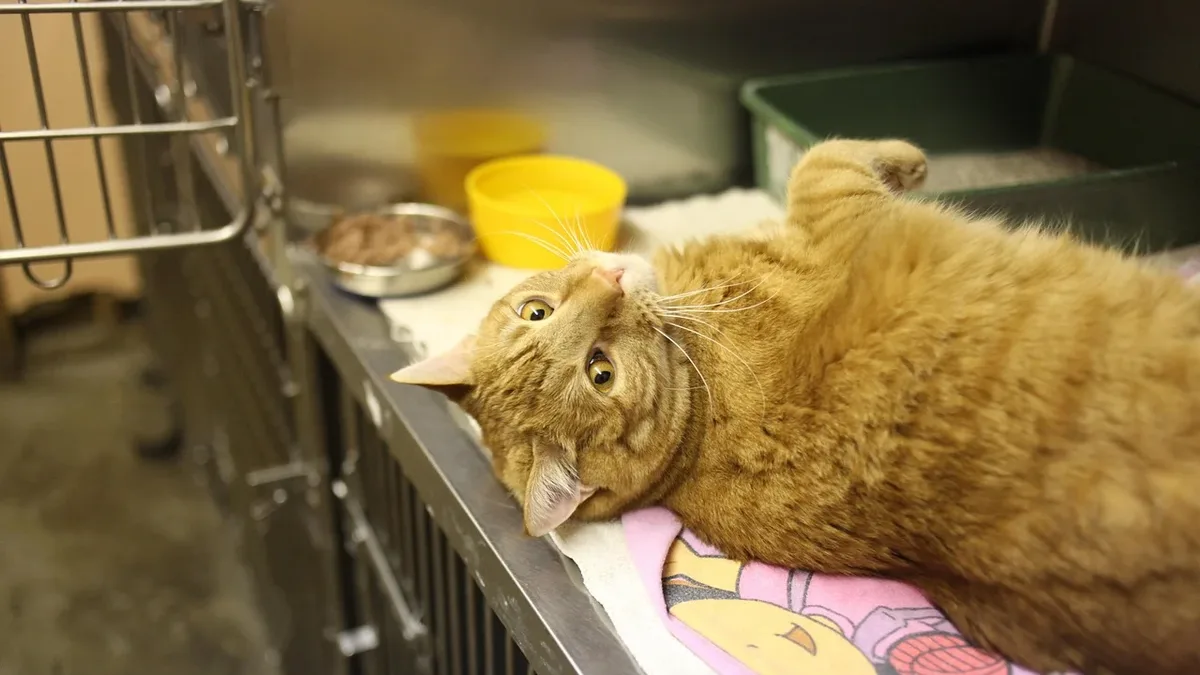
A severely injured and malnourished fishing cat was rescued by Bangladesh's Forest Department in February 2026. The cat, found in northern Bangladesh, had a dislocated jaw likely from being beaten and weighed barely 5 kilograms upon rescue.
After tube feeding and veterinary treatment at the Yankichhara Wildlife Rescue and Rehabilitation Centre, its weight increased to 12 kilograms. The odds of survival were low, according to the Creative Conservation Alliance. The cat was then kept for more than eight weeks in a soft-release enclosure for acclimatization at the Uterbhag and Idanugger tea estate.
Post-release tracking and translocation
After recovery, the cat was released from the tea estate enclosure. It was fitted with a satellite collar for post-release tracking. The release occurred on the grounds of a tea plantation bordering a large freshwater wetland. Conservationists will track the cat's movements by satellite after release.
Caesar Rahman, CEO of the Creative Conservation Alliance, noted that rescued animals often lack proper rehabilitation. They may die in care or be released without protocol.
Conservation context and challenges
The fishing cat's declining range and high mortality rates show the importance of this translocation. It is seen as a potential model for conservation in agricultural regions. Fishing cats may number up to 7,500 in the wild according to the IUCN. Roughly 95% of the fishing cat's range in Bangladesh falls outside protected areas.
A review of media reports from 2005 to 2021 found that 31% of stories about fishing cats were about deaths. Nearly half of those deaths involved a 'kill-on-sight' reaction from local fish and duck farmers. The Creative Conservation Alliance sees tea plantation cooperation as a possible conservation model. There are at least 135 tea estates in Bangladesh’s northeast where such cooperation could aid conservation.
Expert perspective
Experts note the effort represents a milestone but question its success in rewilding. Muntasir Akash, an assistant professor of zoology at the University of Dhaka, stated that rehabilitation helped physical fitness but not spatial memory for free-ranging life. He described the event as a translocation following conflict rather than a full return to the wild.
Akash noted the effort is a milestone in spatial ecology studies in Bangladesh. Rahman said the approach could become a useful model for conservation in densely populated regions. Conservationists will track the cat's movements by satellite after release.