Cat Purr May Be a Unique Vocal Fingerprint
New research suggests a cat's purr contains individual identity signals, potentially stronger than those in meows.
New research suggests your cat's purr may be as unique as a fingerprint. Scientists from the Museum für Naturkunde Berlin and the University of Naples Federico II have found that a cat's purr may carry strong individual identity signals.
This discovery offers a fresh perspective on feline communication. It shows cats may be telling us more through sounds we often overlook.
Purrs Carry Stronger Identity Signals Than Meows
Researchers initially expected meows to be the key feature for identifying individual cats. Cats frequently use meows to communicate with humans. Many owners can recognize their own cat's specific call from another room.
But the study revealed something surprising. Purrs appeared to carry stronger individual identity signals than meows. A cat's meow can change based on its desires or surroundings. Purrs, however, seemed to have characteristics unique to each cat.
That gentle rumble on the couch may hold more information about your cat's identity than we ever knew.
Purring Is More Than a Sign of Happiness
This finding is particularly interesting because purring is complex. We typically link purring to a happy, relaxed, and contented cat. Often, that is exactly what it means.
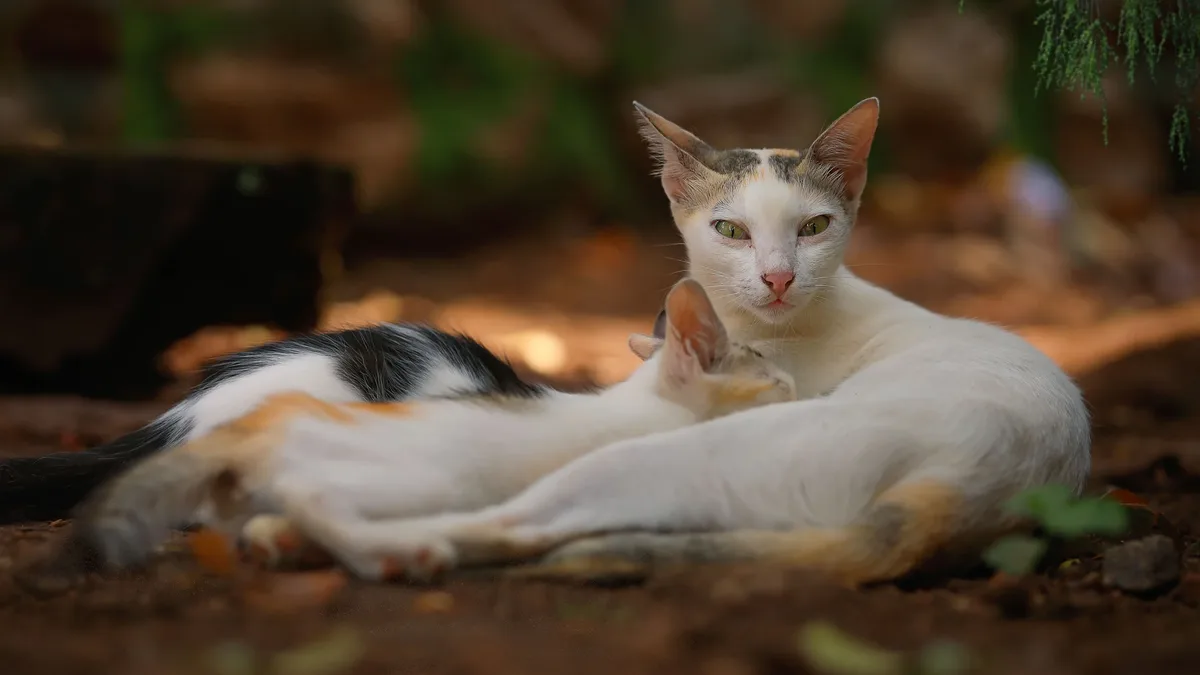
However, cats also purr when stressed, uncomfortable, or seeking reassurance. Kittens begin purring when only a few days old. They use the sound while nursing to stay connected with their mother. This makes purring a fundamental part of early feline communication.
Unlike the highly flexible meow, the purr may preserve characteristics more closely tied to the individual cat. So when your cat purrs beside you, there might be more happening than simple enjoyment.
This is where it gets intriguing, but science hasn't provided answers yet. The study identified distinctive purr characteristics unique to individual cats. It has not determined how those characteristics are used or interpreted.
It would be a leap to assume cats listen to those differences and think, "That's Luna." That question still needs investigation.
If cats can recognize individuals through purrs, it would reveal fascinating details about how they identify familiar companions. This includes mothers and kittens or cats that live together. It adds another piece to the bigger puzzle of feline communication.
Cats use a full suite of communication methods. They rely on scent, body language, facial expressions, and a range of sounds. Their purrs may have more to say than we realized.
From Purrs to Roars: A Family Trait
The vocal abilities of cats are linked to their anatomy. The hyoid bones support the tongue and larynx. In smaller cats, this bone is completely ossified and rigid. This results in a rumbling vibration as air passes through delicate structures, the purr.
Big cats like lions have a more flexible hyoid bone. This allows them to produce roars that can be heard up to five miles away. These impressive vocalizations send messages about territory and dominance across vast distances.
Given what we know about a lion's roar, it seems plausible that a domestic cat's purr might contain more individual information than previously guessed.
Future Potential: Health Clues in a Purr
Researchers may eventually explore an even more interesting direction. Scientists studying animal sounds are increasingly interested in whether vocalizations provide clues about behavior, stress, welfare, or health.
If future a cat's purr stays consistent over time, scientists may look for changes in that individual's normal vocal patterns. Could this someday help detect changes associated with pain, stress, illness, or aging? Maybe. But we are not there yet.
It is far too early to say listening to a purr could become a veterinary diagnostic tool. More research is needed before we know if these subtle vocal differences have practical applications. Still, it is an intriguing possibility. With evolving pattern recognition technology, such a development may move from science fiction to science.
For cat owners, this research is another reason to pay attention to the everyday sounds. You may already recognize your cat's purr without thinking. Now science suggests that familiar sound could be telling us much more. A changing purr might be worth your attention.