When Cat Drooling Signals Happiness or Health Trouble
Vets say occasional cat drooling can be normal, but persistent drooling often signals a medical problem like dental disease, nausea, or poisoning.
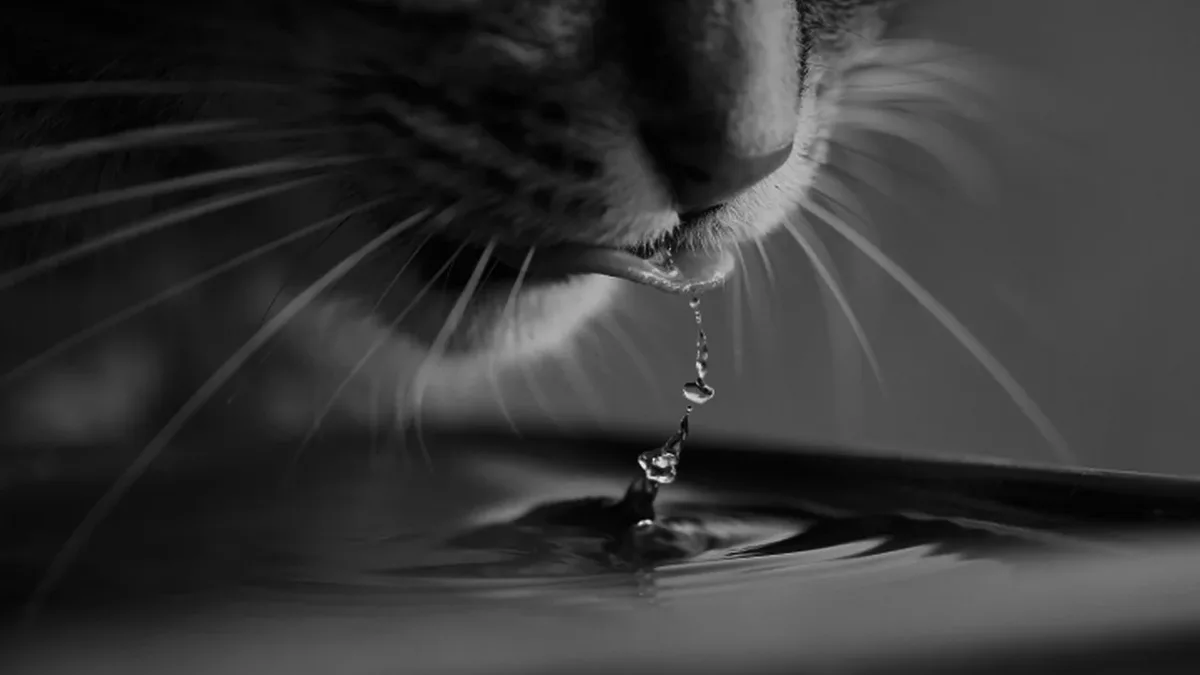
A cat drooling can be a harmless sign of deep relaxation or a serious symptom of illness. Veterinarians Dr. Julie Hunt and Dr. Maggie Placer outline the differences between normal 'happy drool' and drooling that requires a vet visit.
Normal Reasons for Cat Drooling
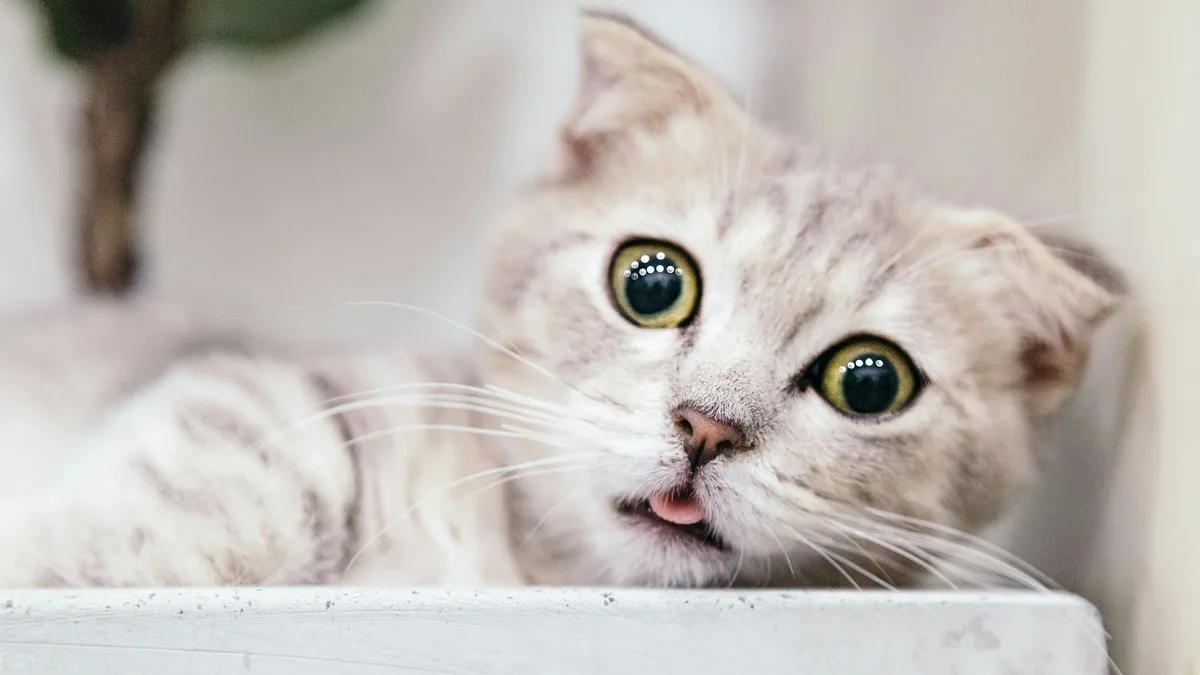
Cats may produce saliva occasionally during moments of extreme contentment or excitement. This normal salivation is typically situational and short-lived.
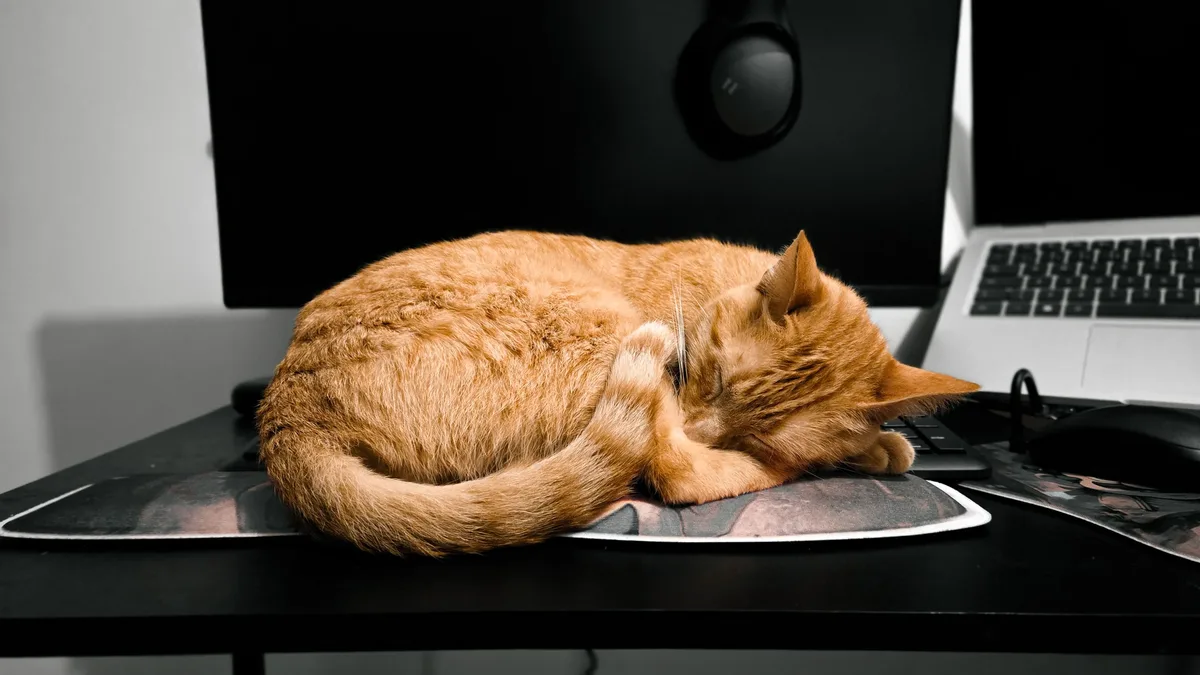
Happy drooling often occurs alongside other relaxed behaviours. These include purring, kneading with paws, and a loose posture with soft eyes. Cats might also rub against their owners or perform slow blinks. Some cats salivate in their sleep when deeply relaxed.
Excitement is another trigger. Anticipation of a favourite meal can cause it, though this is more common in dogs. Catnip, a stimulant for many felines, can also lead to saliva production along with licking and rolling.
Medication is a common cause. Bitter-tasting liquid drugs, like some antibiotics, often make cats salivate. Dr. Hunt advises that if this continues more than 20 minutes after giving medicine, it could indicate nausea.
Abnormal Causes Requiring Attention
Abnormal salivation is often excessive, unexpected, or paired with other symptoms. Dental disease is a leading cause, according to Dr. Maggie Placer of the EveryCat Foundation. Oral issues like infections or masses can make a cat drool.
Look for accompanying signs of dental trouble. These include red and swollen gums, bad breath, difficulty eating, or pawing at the mouth.
Nausea from gastrointestinal upset or travel sickness can also trigger saliva production. So can ingesting a toxin, which may irritate the mouth or affect the nervous system.
Common household toxins for cats include:
The source stresses that suspected toxin ingestion requires immediate veterinary care or a call to the Pet Poison Hotline.
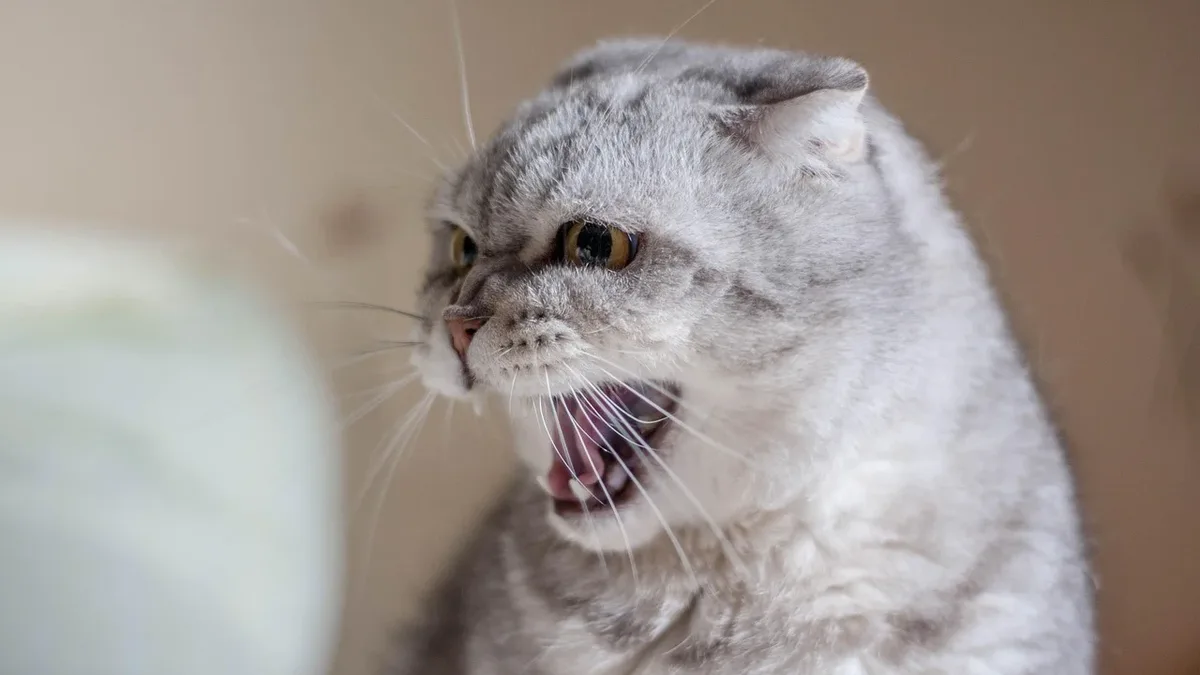
Stress and anxiety are other potential causes. High-stress situations like car rides or vet visits can sometimes lead to salivation. Dr. Hunt says to watch for other stress signals such as hiding, flattened ears, or hissing.
Less Common Medical Issues
Several less frequent medical problems can cause abnormal salivation. These include trauma to the head or neck, salivary gland disease, throat issues, or neurological diseases.
Specific symptoms accompanying drooling should prompt an urgent vet visit. These are head shaking, a head tilt, coughing, or difficulty with swallowing, eating, breathing, or walking.
The essential point is to know what is normal for your individual cat. Brief salivation during petting or a catnip session is usually fine. Ongoing or excessive drooling, especially with other symptoms, is not. As Dr. Hunt notes, in general, you shouldn't notice your cat drooling. When in doubt, checking with a veterinarian is the safest course.