Physics Solves the Mystery of Cats Landing on Their Feet
New research explains the biomechanics behind a cat's mid-air righting reflex, a puzzle that has intrigued scientists for over a century.
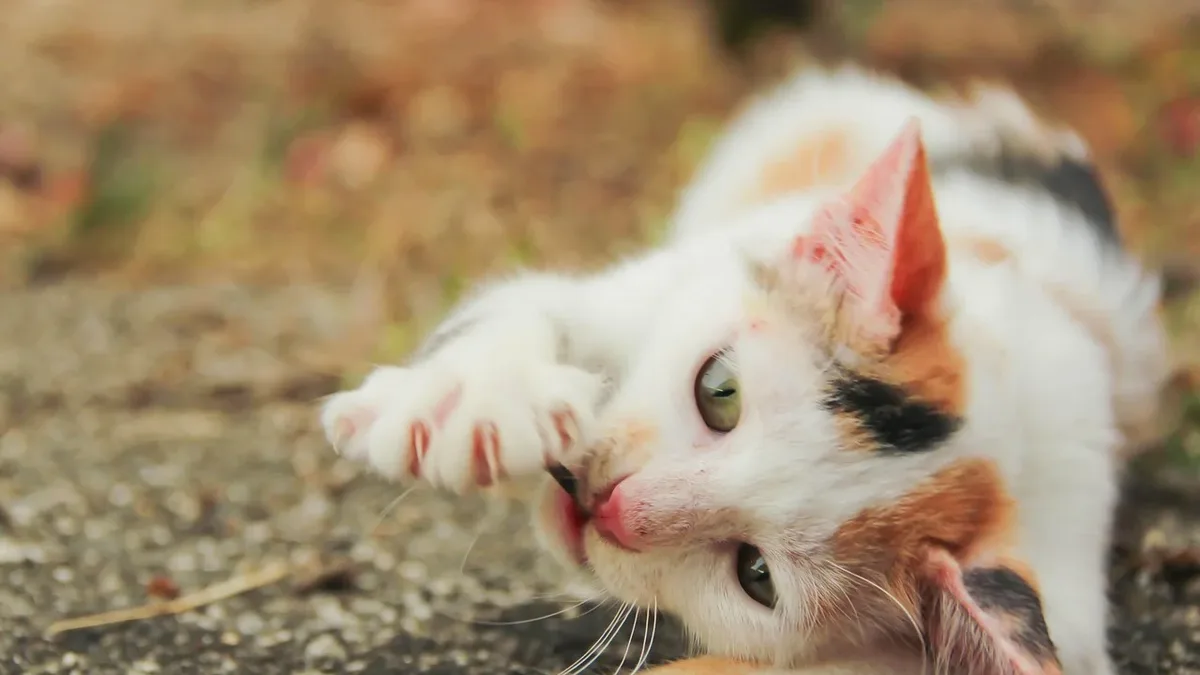
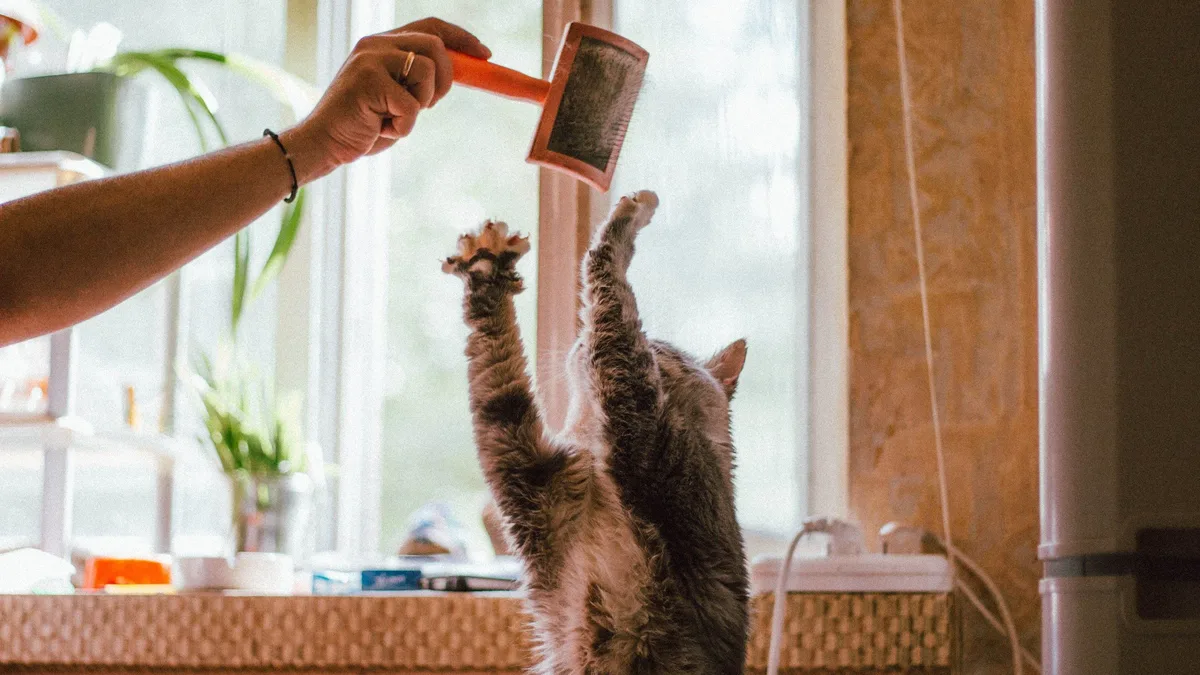
Scientists have provided a clear answer to a 130-year-old mystery: how cats manage to twist in mid-air and land on their feet. The phenomenon, known as the feline righting reflex, has fascinated physicists since 1894, when French scientist Étienne-Jules Marey first captured it with high-speed photography. It appeared to defy the law of conservation of angular momentum.
Recent research highlights the key role of a cat's uniquely flexible spine. The key insight is that a cat's spine is not uniformly flexible. The front half, supported by a highly mobile thoracic spine, can twist far more freely than the stiffer lower back.
The Two-Step Maneuver
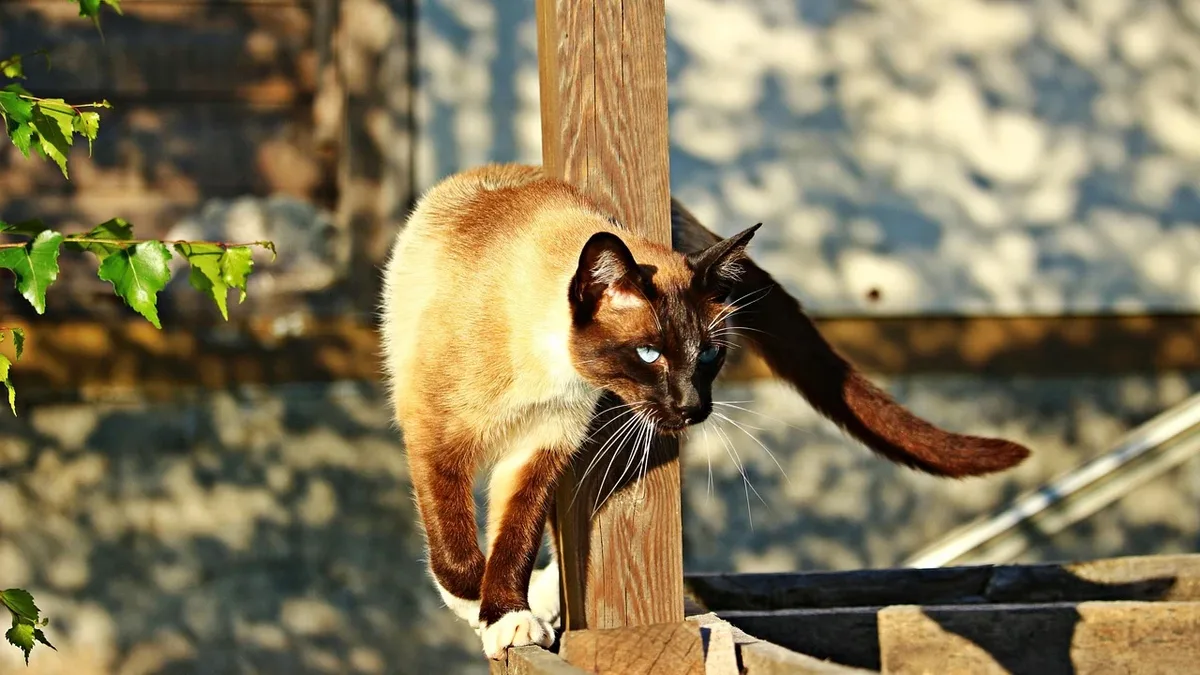
This anatomical feature allows for a precise, sequential motion. The cat rotates its front half first, then brings its rear into alignment milliseconds later. Researchers describe the movement as less like a single flip and more like a coordinated two-step dance. They stated, "The anterior trunk rotates first, followed by the posterior trunk." This elegant maneuver allows cats to conserve angular momentum while still achieving full rotation. Cats do not break physical laws; they exploit them.
Applications Beyond Curiosity
Solving this quirky scientific riddle has practical implications. Understanding how cats control their bodies in mid-air could lead to advances in robotics, particularly in designing machines that can reorient themselves during a fall. The research may also inform veterinary medicine and treatments for spinal injuries.
Limits of the Righting Reflex
Despite their impressive acrobatics, cats do not always land on their feet. The feline righting reflex is an extraordinary ability, but it is not foolproof. A cat needs enough time and space to complete the maneuver. A very short fall may not provide sufficient time to rotate, while an awkward position or physical limitation can also interfere.
Even when a cat does land on its feet, it is not guaranteed to walk away unharmed. The height of a fall matters significantly. A cat falling from a greater height has more time to rotate into a feet-first position, but that does not make the fall safe. Cats can suffer broken bones, chest injuries, and internal trauma from falls, particularly from significant heights.
The righting reflex is better understood as a remarkable survival adaptation, not a guarantee of a safe landing. As one summary of the research suggests, scientists may finally understand the mechanics, but the magic of the movement remains harder to pin down. The article originally appeared in Modern Cat magazine.