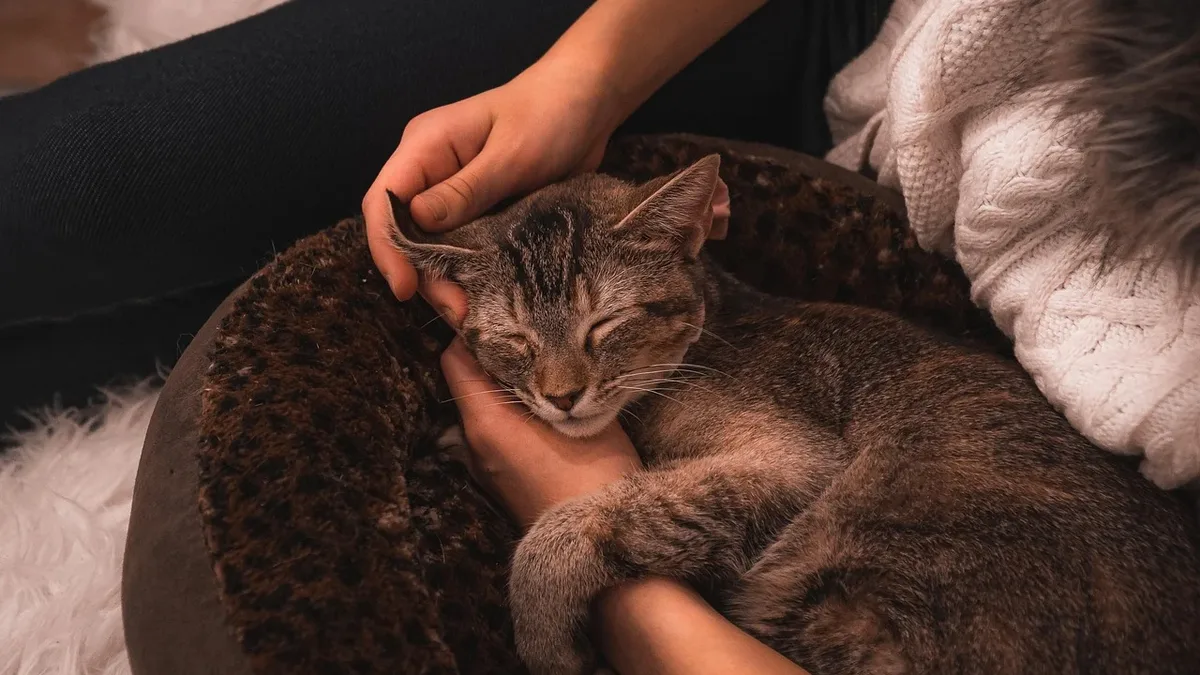
Cat Oxytocin Levels Linked to Owner Mood and Stress
A Japanese study of 19 owners and 29 cats found a hormonal link, with higher feline oxytocin associated with fewer owner negative emotions and lower cortisol.
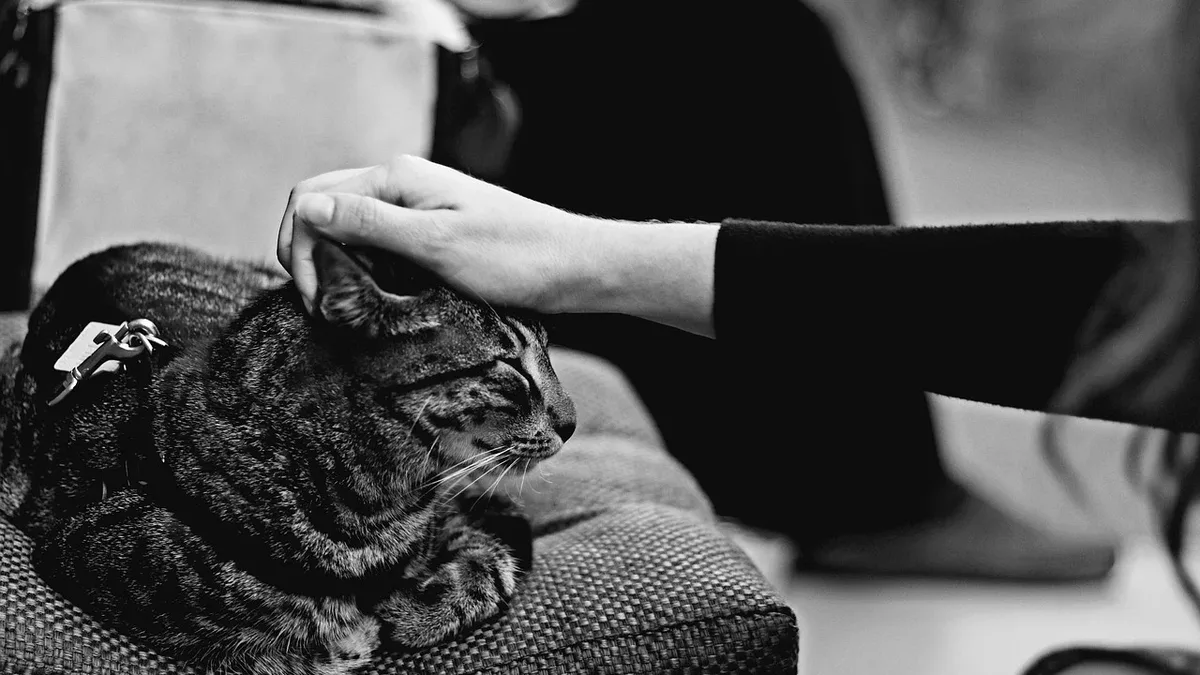
A Japanese research team has found a possible biological link between cats' oxytocin levels and their owners' mood and stress. Scientists studied hormone levels in 19 owners and 29 cats living together for a month, collecting urine samples for analysis. Data from 24 cats and 17 owners showed that higher oxytocin in cats was associated with fewer negative emotions and lower cortisol in their human companions.
Owners collected urine samples from themselves and their cats for hormone analysis. Five cats never provided a sample, leaving 24 for the final study. The research averaged three samples per individual. When results were analyzed by household instead of by owner-cat pair, some findings were weakened.
Key Findings on Oxytocin and Mood
Higher oxytocin levels in cats were linked to owners reporting less anger, confusion, anxiety and depression. Owners whose cats had higher oxytocin reported feeling less angry, confused, tense, and down. Their overall negative mood scores were lower.
Cats with more oxytocin were also associated with owners feeling more energetic and active. This was measured by the 'vigor' item on a mood questionnaire. Owners completed this questionnaire about their mood over the previous two weeks, covering anger, tension, tiredness, and energy.
Higher oxytocin levels in owners themselves were linked only to less anger, not to other mood measures. People with higher cortisol levels reported more tension, fatigue, confusion, and low mood. They also tended to have cats with less oxytocin.
Study Limitations
The study was small, with 16 of the 19 owners being women. Its exploratory analyses were not preregistered. Researchers stated that to confirm causality, hormones would need to be measured before and after interactions like petting at multiple time points.
Different collection methods were used for human and cat samples. Human urine was collected in the morning while cat samples were collected at varying times. This may have made cortisol associations harder to detect. No clear association was found between cats' and owners' cortisol levels. The study is described as small and vague in its conclusions, with no firm evidence that oxytocin caused the mood differences.
Unanswered Questions
The direction of the relationship remains unclear. It is possible that owners who feel better spend more time with their cats, or that sociable cats help their owners feel better. The month-long investigation could not establish whether cats reduce owners' stress, as improved mood might itself lead to more interaction.
The study collected data on proximity via Bluetooth tags on cat collars. It could not determine the nature of interactions, such as petting, playing, or simply sitting nearby. Petting is a possible explanation for the oxytocin link, but the role of specific behaviors remains unclear.
Closeness between owners and cats was associated with higher energy and vigor in owners. Living with a cat for more years was not linked to greater energy. Cats with higher oxytocin were more likely to approach a person sitting inside a marked circle, regardless of whether the person was their owner or a stranger.
Cats and people share household noise, temperature, and routines, which could contribute to hormone patterns. The researchers noted that cats' solitary evolutionary background may differ from dogs' group-living ancestors, potentially influencing why no clear match in cortisol levels was found. The study concludes that longitudinal research measuring hormones before and after specific interactions is needed to confirm causality.