Kitten Proofing
| Breed | Domestic Shorthair (or specific breed if applicable) |
|---|---|
| Size | Small |
| Age range | 8 weeks to 12 months |
| Activity level | High |
| Primary environment | Indoor |
| Original use | Companion animal |
Origin and history
Kitten proofing is a modern domestic practice originating in North American and Western European households during the late 20th century. Its development is intrinsically linked to the cultural shift towards keeping cats exclusively indoors, which gained significant momentum in the 1980s and 1990s. This practice arose from the need to protect both the curious kitten and the home environment from mutual harm, moving beyond simple containment. It was not formally documented as a unified concept initially but evolved from accumulated owner experience and veterinary safety advice. The proliferation of information via pet care books and, later, the internet helped standardize its principles. Its history reflects a broader trend in responsible pet ownership focused on preventative safety and environmental enrichment.
What it was bred for
Kitten proofing is not a breed but a systematic environmental adaptation bred from necessity for safety and coexistence. Its primary purpose is to create a secure indoor habitat that minimizes risks to a developing kitten while preserving household integrity. The practice is designed to mitigate innate feline behaviors such as exploratory chewing, climbing, and pouncing in a context filled with human dangers. It aims to prevent specific accidents including electrical shock, poisoning from household substances, falls from heights, and intestinal blockage from ingested objects. Furthermore, it seeks to reduce stress-related behaviors by providing appropriate outlets for natural instincts. Ultimately, it is bred for the goal of allowing a kitten to mature safely within a human-centric space without constant direct supervision.
Life cycle
The life cycle of kitten proofing is dynamic and aligns closely with the developmental stages of the cat. The most intensive phase begins before the kitten's arrival and peaks during the first four to nine months of life, a period of peak curiosity and physical agility. This initial stage involves securing obvious hazards like loose wires, toxic plants, and small ingestible items. As the kitten enters adolescence, proofing must adapt to increased strength and jumping ability, requiring secure fastening of taller furniture and window screens. The practice often lessens in rigidity as the cat reaches adulthood and established routines, but core safety measures remain permanently. Periodic reassessment is necessary with the introduction of new furniture, household products, or another pet. The cycle effectively concludes when the environment is habitually maintained to the cat's known behaviors and limitations.
Character and appearance
The character of a well-proofed home is one of controlled permissiveness, appearing normal to human inhabitants but engineered against feline mischief. Its appearance is defined by the absence of dangling cords, the presence of secured cabinet latches, and the strategic placement of breakables. Characteristically, it features designated climbing and scratching surfaces alongside denied access to certain zones like behind appliances. The environment often includes numerous small, kitten-sized objects deliberately removed from floors and low surfaces to prevent play and ingestion. A key character trait is the use of deterrents like bitter sprays on forbidden chew items and attractants like cat trees on allowed ones. Visually, it may incorporate baby gates at certain doorways, covered trash cans, and toilet lid locks, creating a hybrid domestic space.
Pros and cons
The primary pro of thorough kitten proofing is a drastic reduction in emergency veterinary visits for accidents like poisoning, electrocution, or foreign body ingestion. It provides peace of mind for owners, allowing the kitten freedom to explore without constant intervention, which supports healthy mental development. A well-proofed home can also prevent costly damage to furniture, wiring, and cherished belongings. The significant con is that it is an ongoing process of vigilance and adaptation, not a one-time task, which many owners underestimate. A common mistake is overlooking less obvious hazards like the string inside window blinds, the space behind a bookshelf, or the toxicity of common houseplants like lilies. Owners who regret the practice are often those who implemented it incompletely and subsequently faced a preventable accident or who find the required adjustments to their own living habits overly burdensome.
Who it suits
Kitten proofing is essential for any household bringing a kitten into a standard human living space, but its thoroughness suits particular owners best. It is ideally suited for detail-oriented individuals who are proactive about risk assessment and willing to view their home from a knee-high perspective. It suits households with valuable or dangerous items, such as electronic equipment, collectibles, or medicinal supplies, that cannot be permanently relocated to a sealed room. The practice is less suited, and often poorly executed, by those who prefer a highly aesthetic or minimalist home unwilling to accommodate safety modifications like cord concealers or furniture straps. It is a necessary undertaking for apartment dwellers in high-rise buildings where window falls are a specific risk. Ultimately, it best suits owners who prioritize their cat's long-term safety and behavioral well-being over the minor inconveniences of a modified environment.
Latest Kitten Proofing news
Latest reporting
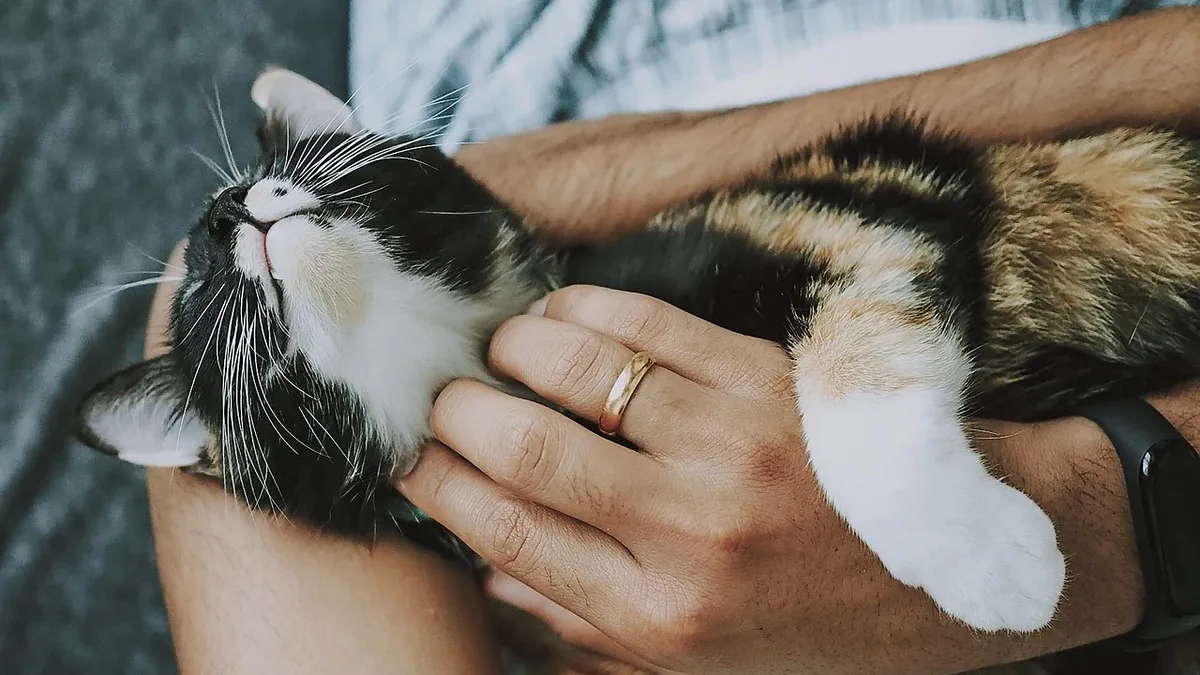
Cornell Study Shows TNR Benefits Cats, Students
A 2024 community cat project in New York, studied by Cornell University, provided hands-on experience for 48 veterinary students while reducing kitten
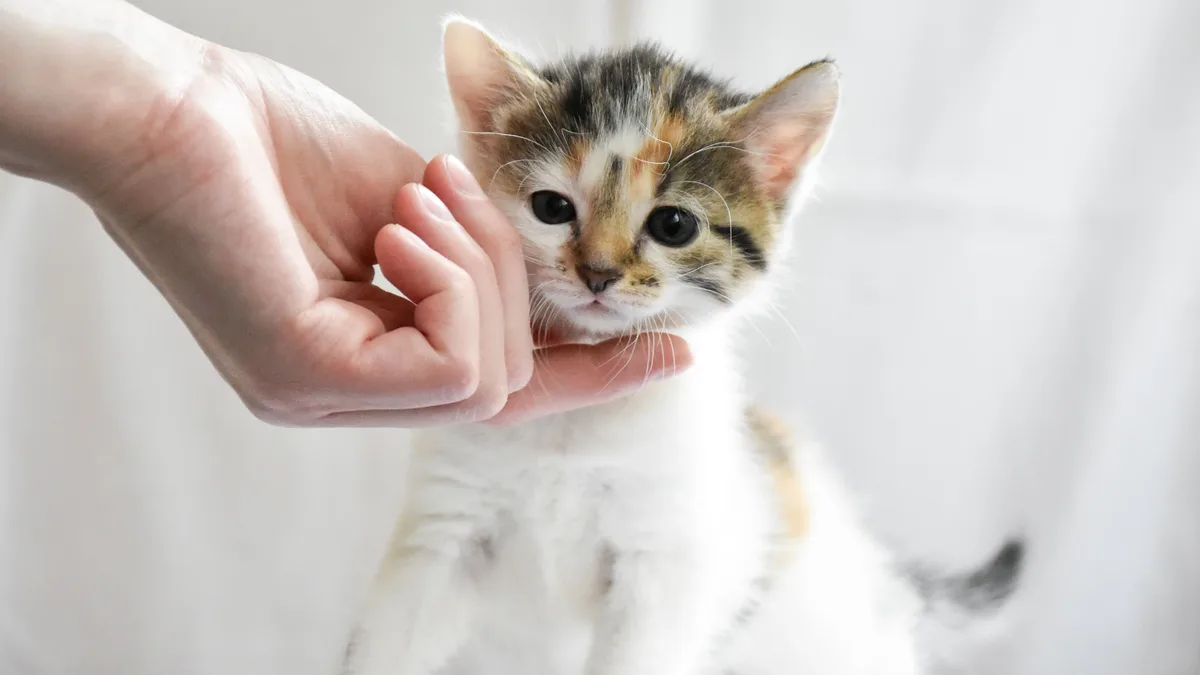
How a Tiny Tortie Cat Turned a Dog Person Into a Cat Lady
Mauren Kennedy, a former dog person, recounts how adopting a tiny tortoiseshell kitten named Gremlin led her to a life with six rescue cats and a...

Cat and Dog Bond After Cautious Start
A kitten and a Golden Retriever, once wary strangers, became inseparable companions, as shown in an Instagram video from the account @goldensdigger.
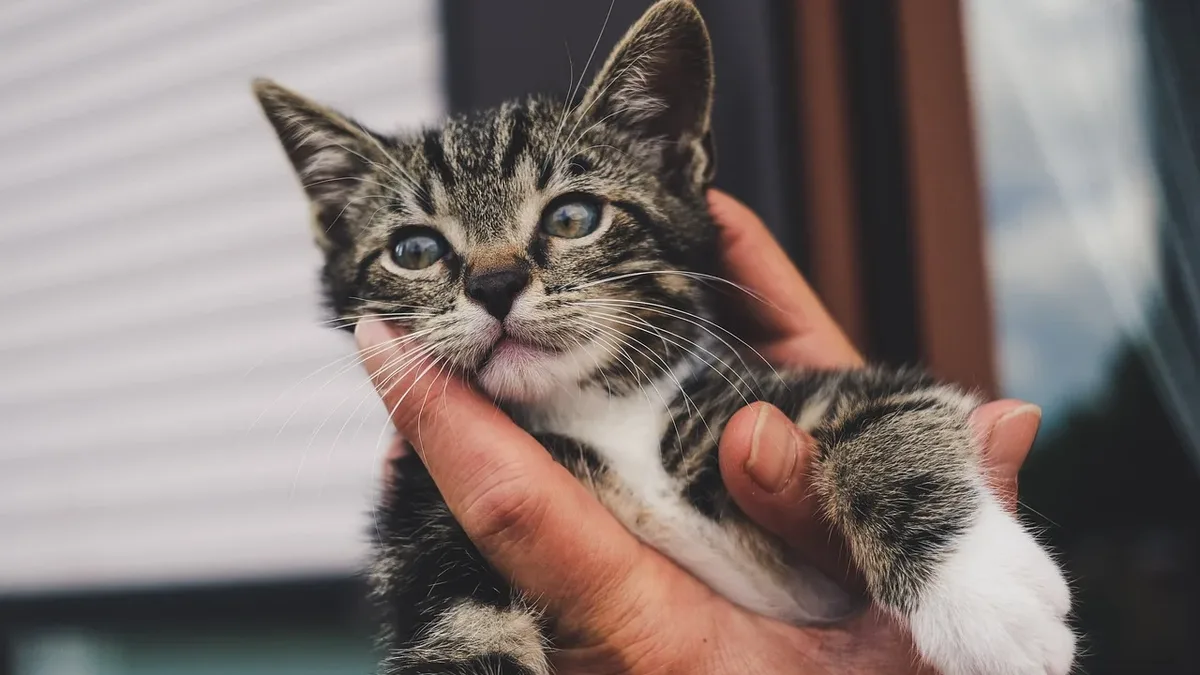
Nala Cat Breaks Instagram Record
Pookie Methachittiphan adopted kitten Nala and set a Guinness record for most Instagram followers for a cat, showing Nala’s rise to fame a gentle...
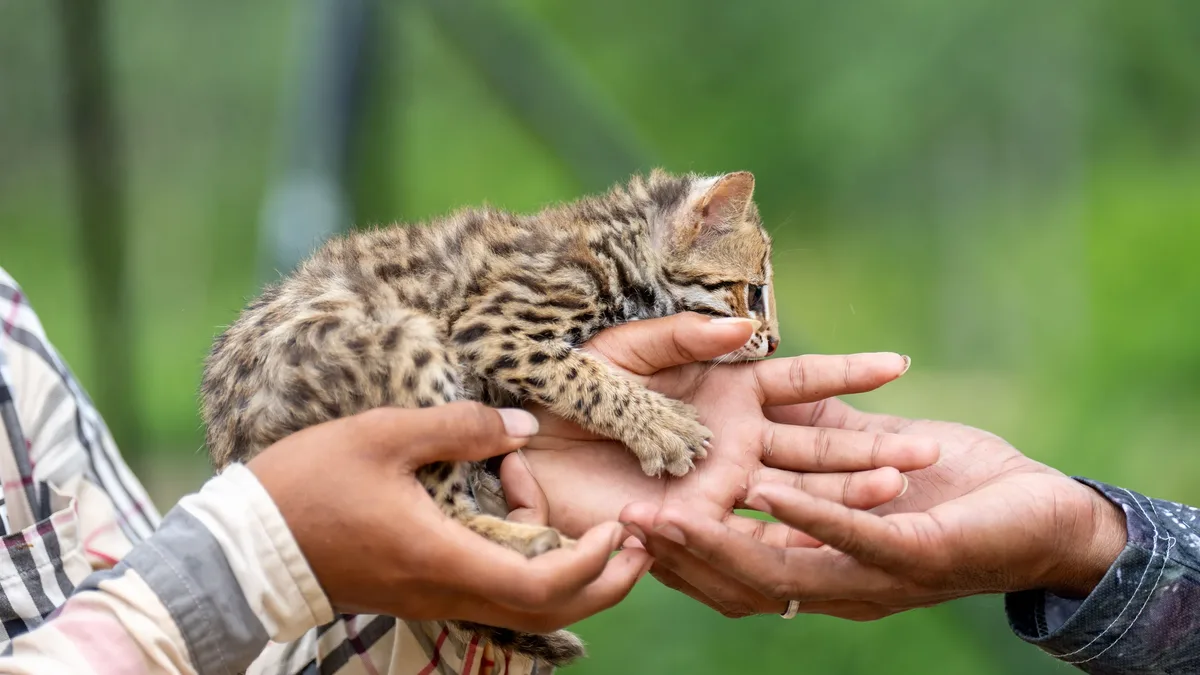
Rescue kitten Mabel and toddler Eloise share a special bond
A rescue kitten and a little girl in Nashville have made everyday scenes look special in a home montage shared on Instagram.
Kitten Treats French Bulldog Like Mother
A rescued kitten has begun clinging to and suckling from a French Bulldog, leading its owner to question whether to intervene. The bond, captured in...