Introducing A Kitten To An Adult Cat
| Age at introduction | 8 to 12 weeks minimum |
|---|---|
| Introduction environment | Separate, secure room |
| Supervised interaction | Required |
| Duration of full integration | Weeks to months |
| Original use | Companion animal |
| Typical adult cat reaction | Variable, from tolerant to hostile |
| Essential supplies | Separate food bowls, water, litter boxes |
Origin and history
The practice of introducing a kitten to an adult cat originates from the universal and long-standing human domestication of cats, which began in the Near East around 9,500 years ago. The specific behavioral methodology for structured introductions developed throughout the late 20th century alongside the rise of modern veterinary behaviorism. This process became a standard topic in feline care literature as more households began keeping multiple cats indoors. Its principles are derived from observing natural feline social structures and communication methods in controlled environments. The formalized steps were established to prevent the stress and aggression that can occur from sudden, unmanaged meetings. It is a foundational component of multi-cat household management taught by animal behaviorists worldwide.
What it was bred for
This process was developed to facilitate peaceful cohabitation between felines of different ages and social standings within a human home. It is designed to override the natural territorial instincts of the resident adult cat, who would typically defend its space from a newcomer. The method aims to build positive associations between the cats before they physically interact, using food, play, and scent exchange. It seeks to prevent the development of persistent fear, aggression, or stress-related behaviors in either animal. The core purpose is to manufacture a sense of familiarity and safety, mimicking the slow, scent-based introductions that occur in feral cat colonies. Ultimately, it is bred from the need to create a stable, low-conflict indoor environment for all feline inhabitants.
Life cycle
The introduction process follows a distinct, non-linear progression that can stretch from several days to many months, depending on the individual cats' temperaments. It begins with complete physical separation, where the new kitten is housed in a dedicated base room with all its resources. The initial stage focuses on scent swapping, using towels or socks to transfer smells between the animals without visual contact. Subsequent stages involve controlled visual access through a barrier like a baby gate or cracked door, often during positive activities like feeding. The final stage is supervised, short face-to-face meetings in a neutral space, gradually increasing in duration as tolerance is observed. This cycle may need to be repeated or paused if signs of intense fear or aggression appear, with no fixed timeline for completion.
Character and appearance
The character of a successful introduction is defined by calm indifference or cautious curiosity rather than forced friendship. Its appearance is marked by the absence of dramatic conflict: no hissing, growling, swatting, or chasing beyond initial warning signals. Positive indicators include relaxed body language, such as ears forward, slow blinking, and engaging in separate activities in the same room. The process itself is characterized by patience, consistency, and a controlled environment managed by the human caregiver. The visual setup typically involves multiple barriers, separate feeding stations, and vertical spaces like cat trees to allow for retreat. A fully integrated household appears as two cats sharing territory without tension, often establishing their own preferred distances and interaction routines.
Pros and cons
A major pro is that a properly executed introduction can prevent years of chronic stress, spraying, fighting, and resource guarding between cats. It significantly increases the likelihood of a peaceful, multi-cat home, enriching the environment for both felines. The structured steps provide a clear framework for an owner, reducing the anxiety of managing the unknown. The primary con is that it demands considerable time, spatial resources, and patience from the human, which many underestimate and subsequently abandon. A common mistake is rushing the physical introduction due to excitement or perceived early progress, which can trigger a severe setback that is harder to repair. People often regret attempting this process when they lack a suitable space for separation, or when their resident adult cat has an extremely rigid, solitary personality that is fundamentally stressed by any cohabitation.
Who it suits
This process suits a meticulous, patient person who can commit to a potentially lengthy management period without forcing interactions. It is essential for households with an adult cat known to be territorial, anxious, or with a history of aggression toward other cats. The method suits homes with sufficient space, including a separate room for the kitten and areas for vertical escape and resource separation. It is well-suited to individuals who are adept at reading subtle feline body language and can intervene appropriately without punishment. This approach is less suited to impulsive adopters, those in very small apartments with no isolation room, or people who expect the cats to become immediate playmates. It is a necessary protocol for anyone committed to the long-term welfare of both their established resident and a new kitten.
Latest Introducing A Kitten To An Adult Cat news
Latest reporting
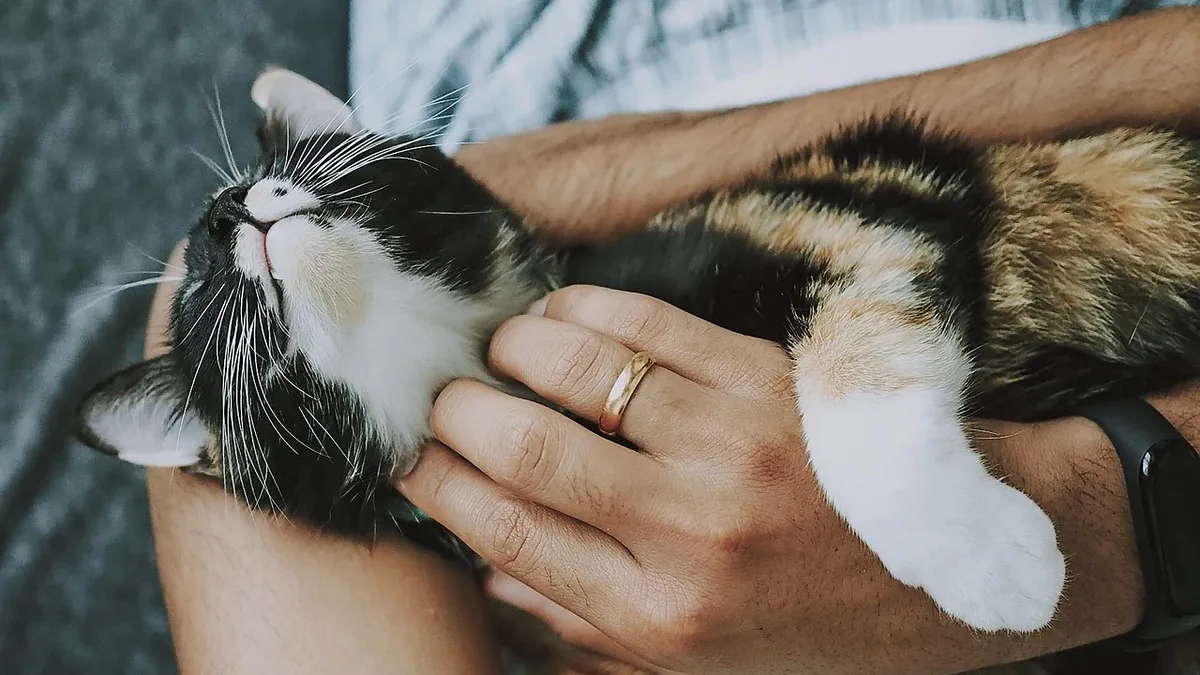
Cornell Study Shows TNR Benefits Cats, Students
A 2024 community cat project in New York, studied by Cornell University, provided hands-on experience for 48 veterinary students while reducing kitten
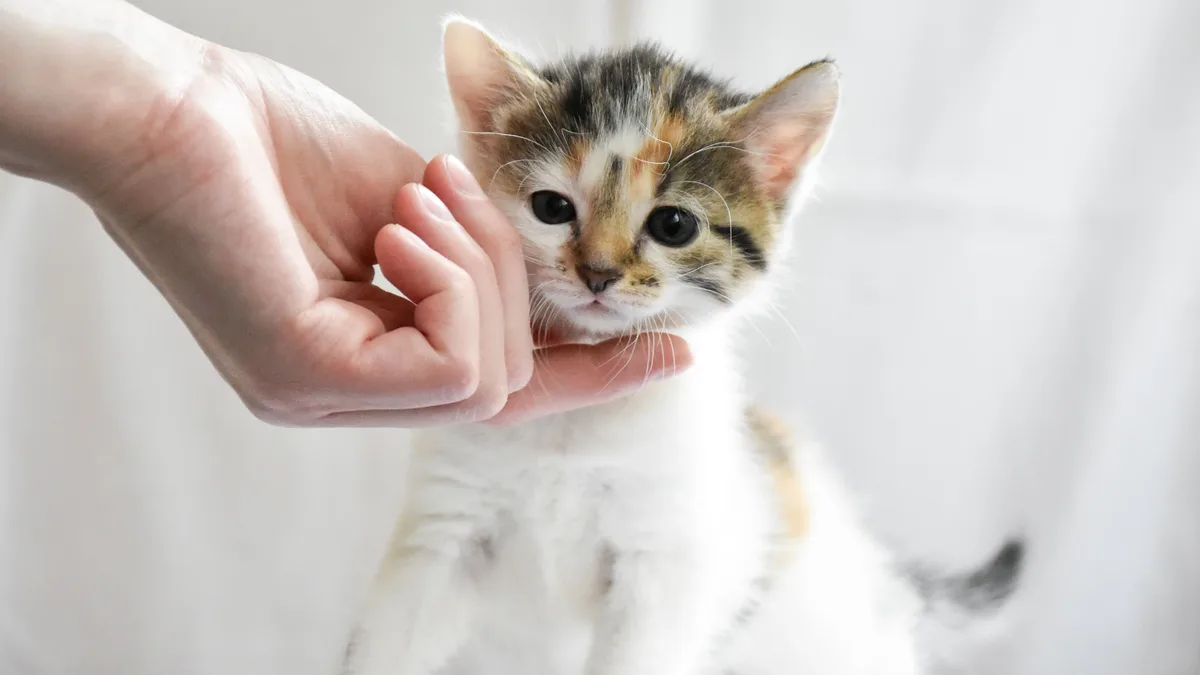
How a Tiny Tortie Cat Turned a Dog Person Into a Cat Lady
Mauren Kennedy, a former dog person, recounts how adopting a tiny tortoiseshell kitten named Gremlin led her to a life with six rescue cats and a...
Cat and Dog Bond After Cautious Start
A kitten and a Golden Retriever, once wary strangers, became inseparable companions, as shown in an Instagram video from the account @goldensdigger.
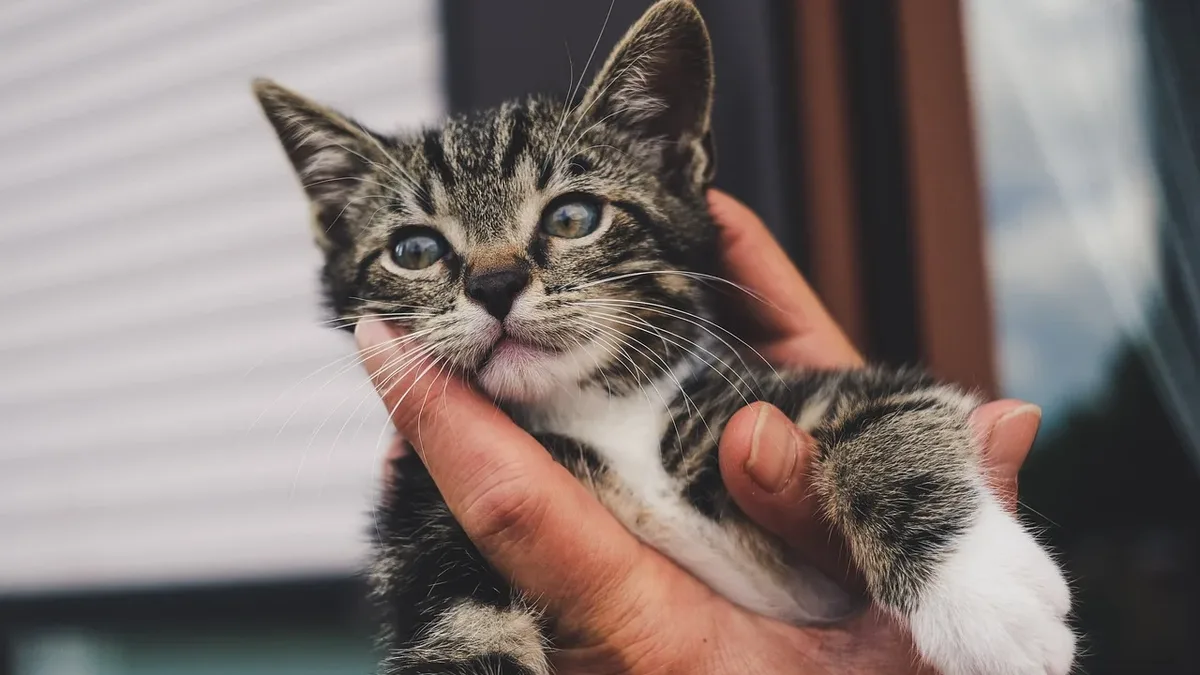
Nala Cat Breaks Instagram Record
Pookie Methachittiphan adopted kitten Nala and set a Guinness record for most Instagram followers for a cat, showing Nala’s rise to fame a gentle...
Rescue kitten Mabel and toddler Eloise share a special bond
A rescue kitten and a little girl in Nashville have made everyday scenes look special in a home montage shared on Instagram.
Kitten Treats French Bulldog Like Mother
A rescued kitten has begun clinging to and suckling from a French Bulldog, leading its owner to question whether to intervene. The bond, captured in...