Found A Kitten
| Breed | Domestic Shorthair (or Domestic Longhair) |
|---|---|
| Size | Small to medium |
| Coat | Variable, typically short or medium length |
| Temperament | Playful, curious, social |
| Good with children | Generally good with gentle handling |
| Indoor lifestyle | Recommended for safety and health |
| Lifespan | 12 to 18 years (with proper care) |
Origin and history
The Found A Kitten is not a breed with a documented lineage but a common domestic circumstance originating globally wherever human settlements and unsterilized cats coexist. Its history is as old as the domestication of the cat itself, with instances documented across centuries in various cultures. The modern context for this "type" of cat solidified in the latter half of the 20th century, alongside growing urban and suburban populations. This period saw a rise in stray and feral cat colonies, leading to the frequent discovery of abandoned litters. The term reflects a widespread, recurring situation rather than a deliberate breeding program. Its "origin" is therefore the random mating of domestic cats, often of mixed or unknown ancestry, resulting in kittens needing human intervention.
What it was bred for
A Found A Kitten was not bred for any specific purpose, as it is the product of unplanned reproduction. Its genetic makeup is typically a blend of various ancestral traits from the local population of free-roaming domestic cats. The primary drivers for its existence are the natural mating instincts of unneutered cats and the absence of controlled breeding management. Historically, some of its ancestors may have been selected for rodent control, but this is not a defining trait of the randomly found individual. The kitten exists due to biological chance, not human selection for form, function, or temperament. Consequently, its attributes are unpredictable and highly variable, unlike a purpose-bred pedigree animal.
Life cycle
The life cycle begins with birth, typically in a concealed, often precarious location like a shed, under a porch, or in a feral colony. The critical neonatal period lasts until about four weeks, during which the kitten is entirely dependent on its mother for nourishment and warmth. If found and separated during this time, intensive hand-rearing with bottle feeding is required for survival. Weaning onto solid food generally occurs between four and eight weeks of age, which is when kittens are most commonly discovered and deemed independent enough to rescue. Juvenile development continues rapidly, with sexual maturity potentially reached as early as four to six months if not altered. The adult life stage and longevity, which can span 12 to 15 years or more, are profoundly shaped by whether the kitten transitions to a secure indoor life or remains in a hazardous outdoor environment.
Character and appearance
The character of a Found A Kitten is immensely variable, heavily influenced by genetics, the age at which it is socialized, and its early life experiences. Kittens socialized with humans before seven weeks often adapt well to indoor life, while those found later may be more timid or fearful. There is no predictable temperament, as it may inherit traits from any number of unknown parent breeds, ranging from highly affectionate to independently aloof. Appearance is equally unpredictable, encompassing every possible coat length, color, pattern, and body type found in the domestic cat population. Common descriptors include "domestic shorthair" or "domestic longhair," which are not breeds but categories for mixed ancestry. Physical features such as eye color, ear shape, and overall size will be a unique combination, making each Found A Kitten physically distinct.
Pros and cons
A primary pro is the opportunity to provide a direct life-saving intervention, offering a stable home to an animal in need. These kittens are readily available without the cost or wait associated with specific breeders, and their genetic diversity can contribute to overall robust health. A significant con is the complete unpredictability of adult size, personality, potential genetic health issues, and grooming needs, which can lead to mismatched expectations. Owners sometimes regret the choice when a kitten socialized too late exhibits persistent fear-based behaviors or when an adult cat develops a high-energy, destructive temperament unsuitable for a quiet apartment. The common mistake is assuming all kittens will develop into friendly, low-maintenance pets, without preparing for the possibility of significant behavioral or medical challenges. Another drawback is the ethical responsibility to investigate and, if possible, address the source colony through Trap-Neuter-Return, which the finder may not be equipped to handle.
Who it suits
This situation suits individuals who are flexible, patient, and prepared for a pet with unknown traits and potential needs. It is ideal for those motivated by animal welfare, who derive satisfaction from providing a home rather than acquiring a specific "type" of cat. Experienced cat owners, who can adeptly socialize a shy kitten or manage unexpected behavioral issues, are well-matched to this scenario. It suits households that can accept a wide range of possible outcomes, from a vocal, clingy companion to a more independent, reserved one. It is less suitable for someone seeking a guaranteed hypoallergenic coat, a specific predictable temperament like a lap cat, or a particular aesthetic look. Families with very young children should proceed with caution, as the kitten's future tolerance for handling and noise cannot be assured.
Latest Found A Kitten news
Latest reporting
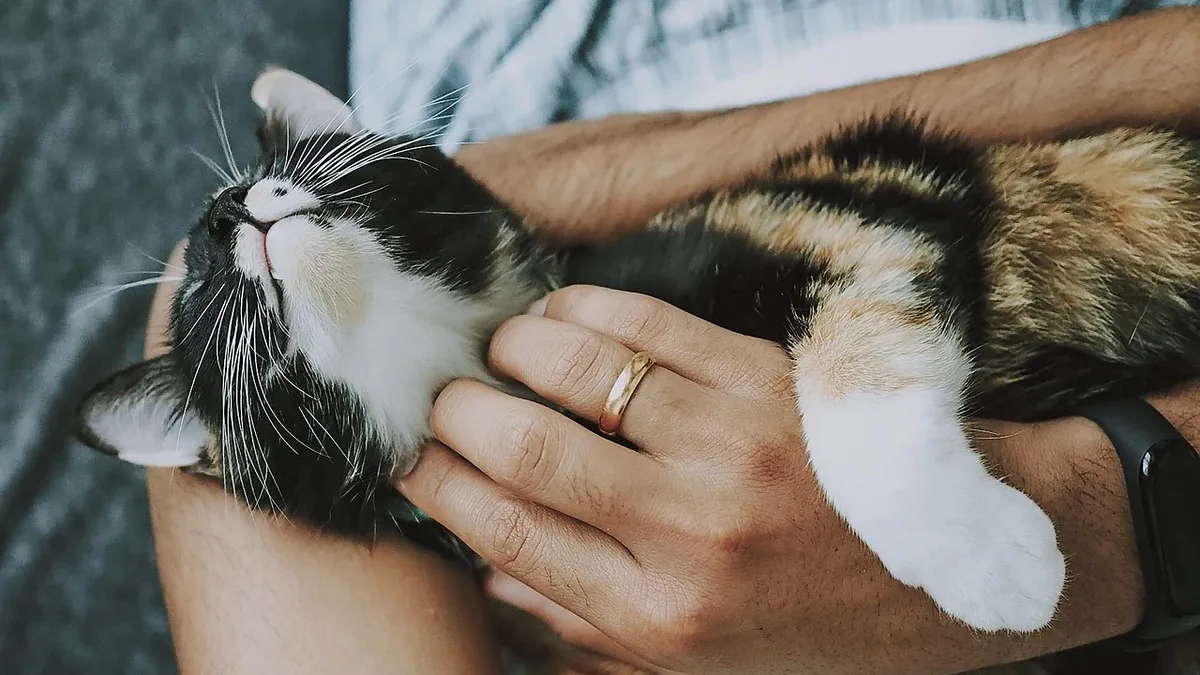
Cornell Study Shows TNR Benefits Cats, Students
A 2024 community cat project in New York, studied by Cornell University, provided hands-on experience for 48 veterinary students while reducing kitten
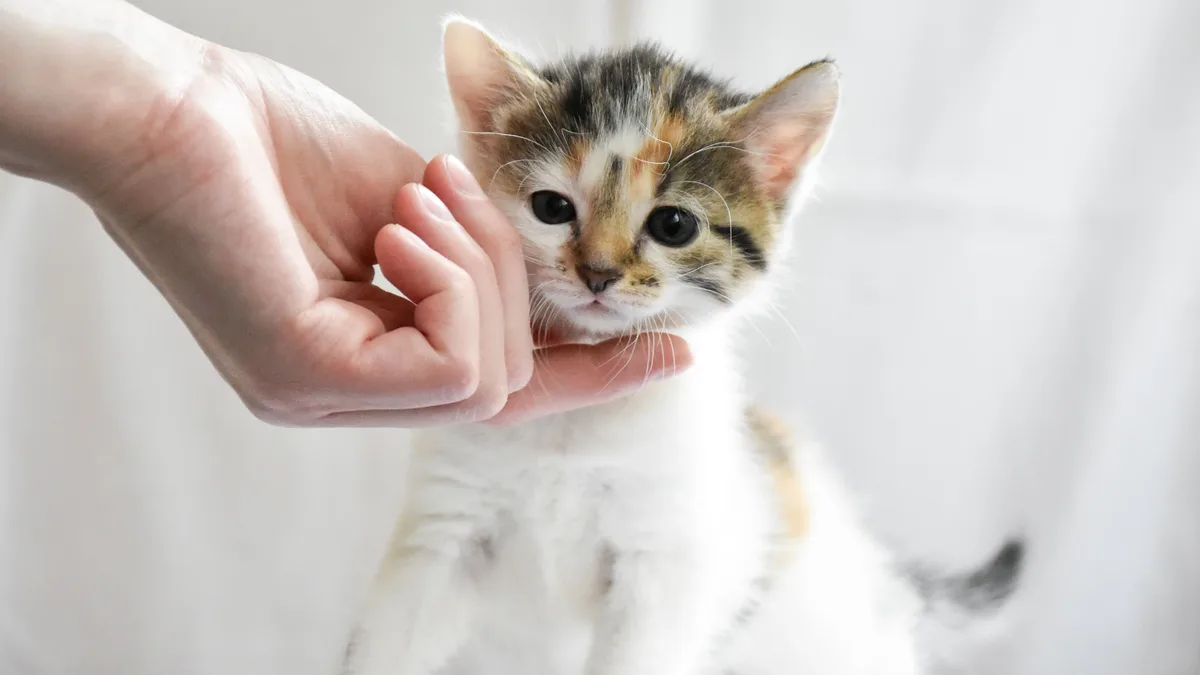
How a Tiny Tortie Cat Turned a Dog Person Into a Cat Lady
Mauren Kennedy, a former dog person, recounts how adopting a tiny tortoiseshell kitten named Gremlin led her to a life with six rescue cats and a...
Cat and Dog Bond After Cautious Start
A kitten and a Golden Retriever, once wary strangers, became inseparable companions, as shown in an Instagram video from the account @goldensdigger.
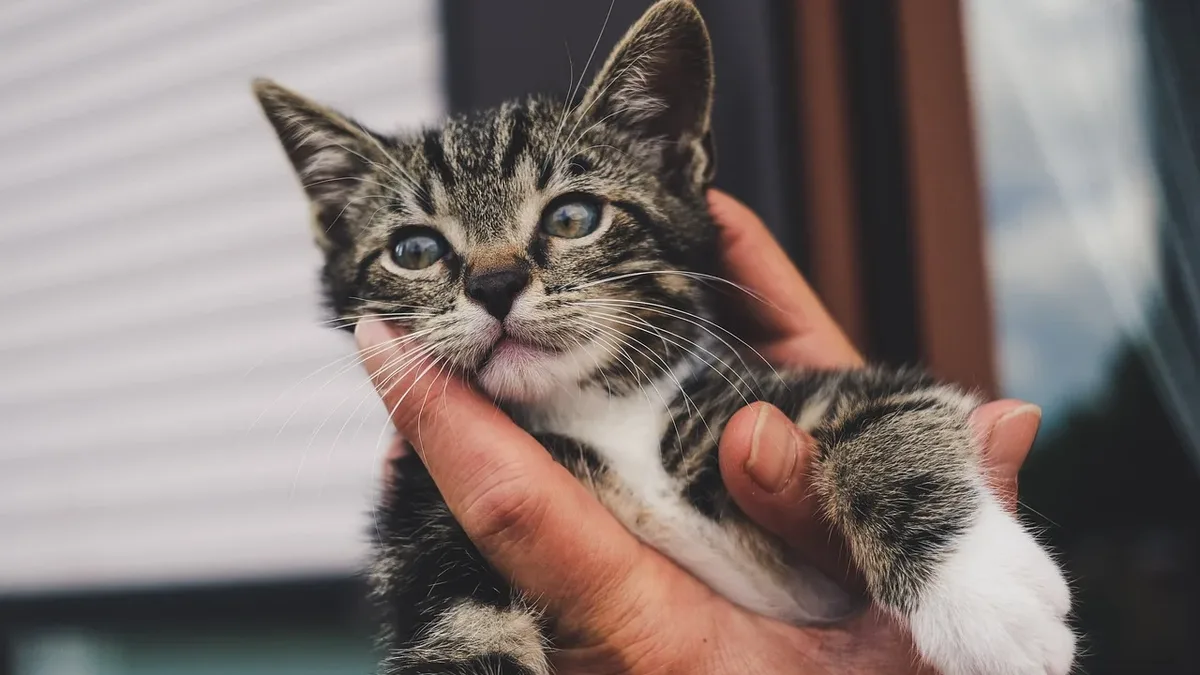
Nala Cat Breaks Instagram Record
Pookie Methachittiphan adopted kitten Nala and set a Guinness record for most Instagram followers for a cat, showing Nala’s rise to fame a gentle...
Rescue kitten Mabel and toddler Eloise share a special bond
A rescue kitten and a little girl in Nashville have made everyday scenes look special in a home montage shared on Instagram.
Kitten Treats French Bulldog Like Mother
A rescued kitten has begun clinging to and suckling from a French Bulldog, leading its owner to question whether to intervene. The bond, captured in...