Bottle Feeding Orphans
| Age at which weaning begins | 3 to 4 weeks |
|---|---|
| Primary feeding tool | Nursing bottle with kitten nipple |
| Critical feeding frequency | Every 2 to 4 hours |
| Essential feeding position | Belly down, head level |
| Key indicator of adequate feeding | Steady weight gain |
| Critical environmental need | External warmth source |
| Primary health risk during feeding | Aspiration pneumonia |
| Essential post-feeding care | Gentle stimulation for elimination |
Origin and history
The practice of bottle feeding orphaned kittens originates from the broader field of veterinary neonatology and feline husbandry. Its documented principles emerged in the mid-20th century alongside advances in small animal veterinary care. The methodology was developed out of necessity to address the high mortality rate of kittens who were orphaned, rejected, or whose queen was unable to nurse. It is not tied to a specific country but evolved as a standardized set of protocols within veterinary and animal rescue communities globally. Prior to these formalized practices, orphaned kittens rarely survived without a foster queen. The techniques were refined through practical experience in shelters, catteries, and veterinary clinics over several decades.
What it was bred for
Bottle feeding is a human-administered rearing technique, not a breed, and was developed for a singular purpose: to replicate the vital nurturing role of the queen for neonates who cannot nurse from their mother. Its primary function is to provide life-sustaining nutrition and hydration through specially formulated milk replacers. The practice is also bred, metaphorically, to fulfill the complex behavioral and physiological needs of the kitten beyond mere feeding, including the stimulation for elimination and the provision of warmth. It is designed as a direct intervention to prevent starvation, dehydration, and hypothermia in the absence of maternal care. The protocols aim to support the kitten's fragile immune system and promote appropriate weight gain during the critical first weeks of life. Ultimately, it is a survival tool crafted to bridge the gap between birth and weaning age for vulnerable individuals.
Life cycle
The bottle feeding protocol is applied strictly during the neonatal and transitional stages of a kitten's life, typically from birth until approximately four weeks of age. The initial week requires feedings every two to three hours, including throughout the night, as the kitten's stomach capacity is extremely limited. This cycle gradually extends as the kitten grows, moving to every four hours by the third week. The life cycle of this care involves not only feeding but also meticulous monitoring of weight, body temperature, and output before and after each session. Around three to four weeks, the process of weaning begins, introducing slurry alongside bottle feeds, and the bottle is gradually phased out. The cycle concludes when the kitten is consistently eating solid food, is steadily gaining weight, and can maintain its own body temperature, marking the end of the intensive orphan-rearing phase.
Character and appearance
The character of bottle feeding is one of relentless, precise routine and vigilant observation, devoid of the natural variability of maternal care. Its appearance is defined by specific tools: commercial kitten milk replacer, narrow-necked bottles, and multiple small, sterilized nipples of different flow rates. The environment it creates is a controlled one, often involving an incubator or heating pad to maintain a constant, high ambient temperature. The character is clinical, requiring scrupulous hygiene to prevent fatal bacterial infections in the kitten. Its appearance includes a logbook for tracking feed times, amounts, and weight, which becomes a central document. The practice lacks the social grooming and nuanced behavioral cues of a queen, presenting instead a structured, human-managed substitute focused on physiological survival.
Pros and cons
A primary pro is that it can save lives that would otherwise be certainly lost, allowing orphaned kittens to develop into healthy adults. It provides complete control over the kitten's nutritional intake, which can be crucial for monitoring and correcting failure to thrive. A significant con is the extraordinarily high time commitment and sleep disruption required, which is unsustainable for many caregivers and leads to burnout. The common mistake is improper feeding technique, such as holding the kitten on its back or allowing too fast a flow, which can lead to aspiration pneumonia, a frequent cause of death. Many who regret undertaking it underestimated the emotional and physical toll of the constant, anxious responsibility for a fragile life. Another con is the risk of creating a kitten with behavioral issues, such as poor bite inhibition or excessive dependency, due to the absence of feline maternal correction and socialization.
Who it suits
This practice suits individuals with a highly flexible schedule or the ability to arrange a rotating team, as the feeding schedule is non-negotiable. It is suited to experienced foster caregivers affiliated with rescue organizations that can provide mentorship, supplies, and emergency support. It suits detail-oriented, patient people who can adhere strictly to protocols regarding hygiene, formula preparation, and temperature management. It is not suited to individuals seeking a simple or convenient way to care for a young kitten, or those unable to manage the significant emotional stress involved. It best suits those who understand this is a medical intervention, not a typical pet-owning experience, and who have immediate access to a veterinarian familiar with neonatology.
Latest Bottle Feeding Orphans news
Latest reporting
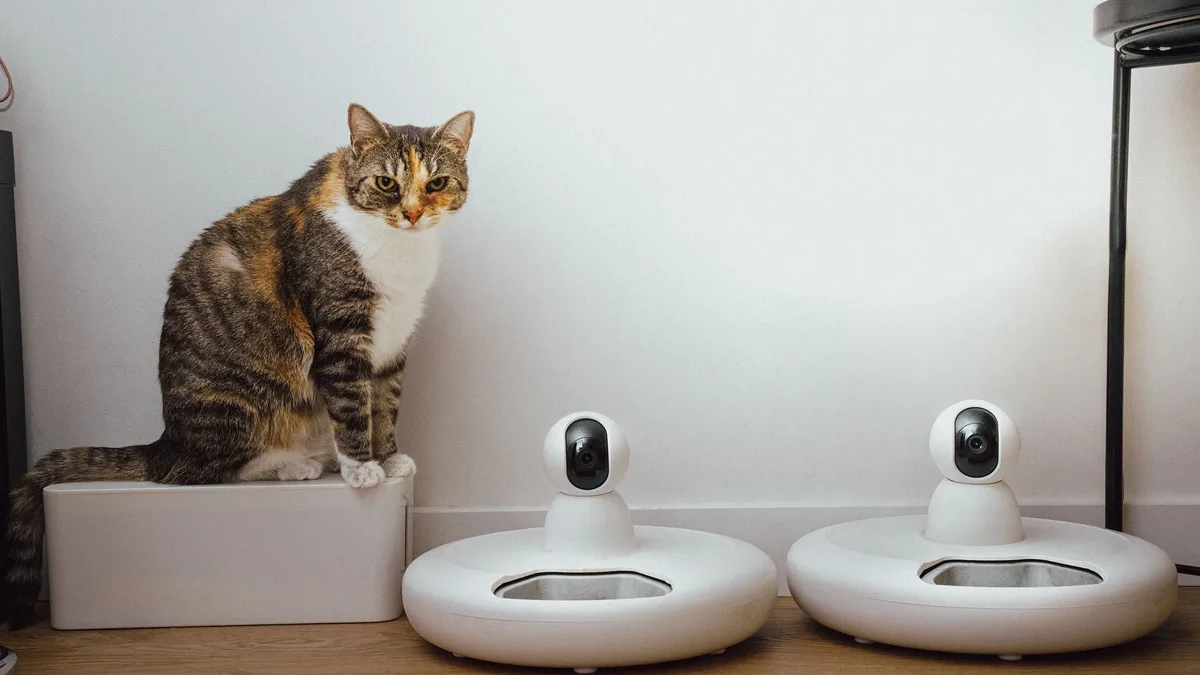
Smart litter solutions help owners track cat
New smart litter and feeding devices from PetSuper automate routine care while tracking usage patterns to help owners monitor their cats' health and

Kitten Diarrhea: Causes, Treatment, and When to Worry
Kitten diarrhea can be a brief response to stress or a fast food change, but it can also signal parasites, infection, feeding trouble, or another...

Unlocking the Secrets of Feline Feeding
Discover the hidden world of feline feeding and how it affects your cat's behavior and well-being.
Cat's Confused Reaction to Stranger Feeding Him Goes Viral
A grey Tabby cat's hilarious reaction to a stranger feeding him has captured the hearts of millions on social media.