Dental Resorptive Lesions
| Country of origin | Domestic cat (worldwide) |
|---|---|
| First documented | Late 20th century (1980s) |
| Original use | Not applicable (pathological condition) |
| Primary location | Tooth (typically at the gumline) |
| Commonly affected breeds | Domestic shorthair, Siamese, Persian, Abyssinian |
| Typical age of onset | Adult to senior (over 5 years) |
| Primary clinical sign | Pink spot (odontoclast activity) on tooth, difficulty eating |
Origin and history
Dental Resorptive Lesions, historically referred to as Feline Odontoclastic Resorptive Lesions (FORLs) or "neck lesions," are a pathological condition affecting cats. The condition was first formally documented in the veterinary literature in the 1930s. Initial reports described these lesions as curious dental erosions observed during clinical examinations. For decades, they were often misdiagnosed as cavities, though cats do not develop caries like humans. The understanding of the condition evolved significantly in the latter half of the 20th century as radiographic technology became more commonplace in veterinary practice. It is now recognized as a common and painful disease of domestic cats worldwide, with no single geographic point of origin.
What it was bred for
Dental Resorptive Lesions are not a trait that was selectively bred for; they are a spontaneous and undesirable disease process. The condition arises from the cat's own biology, specifically from an abnormal activation of odontoclasts, cells responsible for breaking down tooth structure. This process is pathological and serves no beneficial purpose for the animal. It is not linked to a specific breed's function or historical role, such as hunting or companionship. The lesions represent a failure of normal dental homeostasis, leading to the destruction of the tooth from the outside in or inside out. Research indicates it is a multifactorial disease, with no evidence it was ever a desired or cultivated characteristic.
Life cycle
The life cycle of a Dental Resorptive Lesion begins at the microscopic level with the activation of odontoclasts on the tooth's surface, typically at the cementoenamel junction near the gum line. These cells start to resorb, or dissolve, the hard tissues of the tooth, including cementum, dentin, and eventually enamel. The process is often progressive and can continue until the crown of the tooth is completely destroyed, leaving only a painful root remnant beneath the gum. Lesions can occur on any tooth but are most commonly found on the premolars and molars of the lower jaw. The disease can affect cats of any age, but prevalence increases with age, with middle-aged to senior cats being most commonly diagnosed. Without veterinary intervention, the cycle of resorption and associated pain typically continues unabated.
Character and appearance
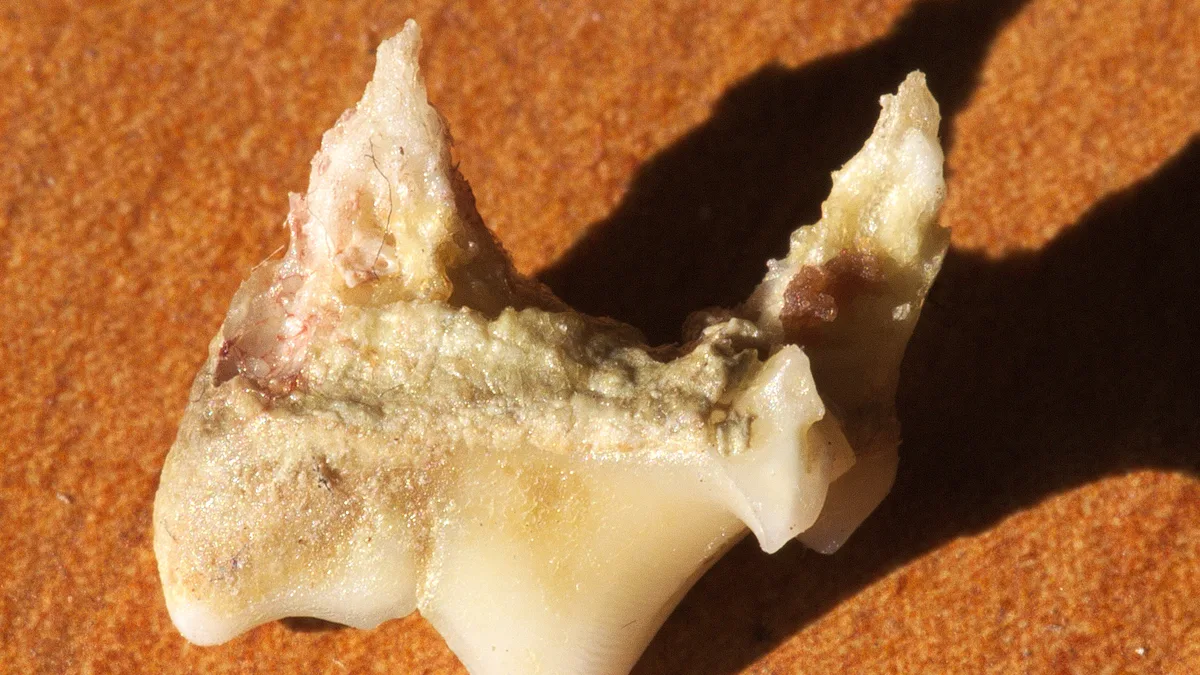
Clinically, Dental Resorptive Lesions present as defects in the tooth structure that often start as small, pinkish spots at the gum line where the enamel appears to be missing. As they progress, these spots can develop into substantial cavities filled with granulation tissue, making the lesion look like a red, raw hole in the tooth. In advanced stages, the crown may fracture off, leaving a sharp root stump embedded in the jaw. The overlying gingiva is often inflamed and may grow over the lesion, partially hiding it from view. On dental radiographs, the lesions have a characteristic appearance showing loss of tooth density, often with a mottled or moth-eaten pattern in the dentin. The most definitive visual sign during an oral exam is the "stick test," where a dental explorer catches or sticks in the defect, which is a hallmark of the disease.
Pros and cons
There are no pros to a cat developing Dental Resorptive Lesions; the condition is entirely detrimental and a source of significant chronic pain. The primary con is the silent suffering it causes, as cats are adept at hiding oral pain and may continue to eat despite severe lesions, leading owners to believe nothing is wrong. A common mistake is attributing a cat's decreased interest in dry food or subtle behavioral changes to finickiness rather than recognizing potential oral discomfort. Owners often regret not pursuing regular veterinary dental examinations, as the disease is frequently advanced by the time it is discovered. The financial cost of necessary extractions and dental surgery can be substantial, and the required anesthesia poses a risk, especially for older cats. Furthermore, managing the condition is not a one-time event, as multiple teeth can be affected over the cat's lifetime, requiring ongoing monitoring and care.
Who it suits
This condition suits no one; it is a disease, not a choice. However, understanding its epidemiology is crucial for owners of at-risk cats. Dental Resorptive Lesions are most suited to, meaning most commonly found in, cats over five years of age, with prevalence increasing dramatically in cats over ten. While any cat can be affected, some studies suggest domestic shorthair and purebred breeds like Siamese and Persians may have a higher predisposition. Cats with a history of periodontal disease or those on specific dietary regimens may also show different prevalence rates, though direct causation is not fully established. It suits the indoor lifestyle only in the sense that indoor cats generally live longer, increasing their likelihood of developing this age-associated condition. Responsible cat ownership suited to managing this issue involves a commitment to annual veterinary exams that include a thorough oral assessment and a willingness to pursue dental radiographs when recommended.