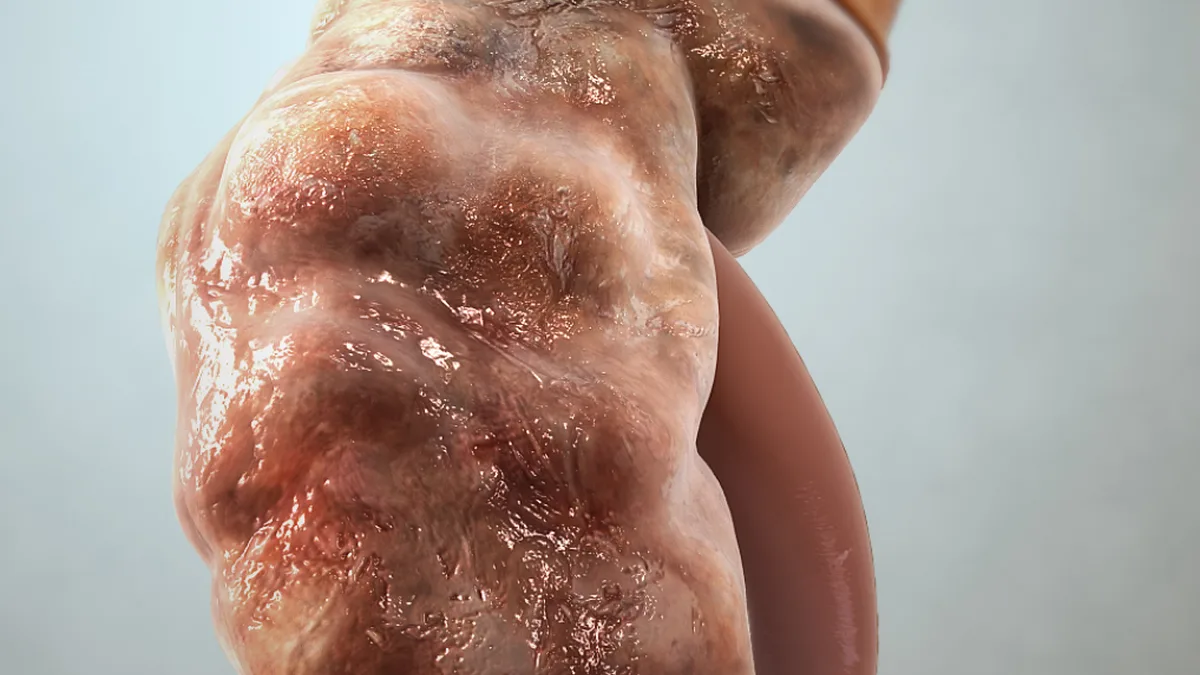
Chronic Kidney Disease
| Breed | Varies, but Persians and related breeds are predisposed |
|---|---|
| Typical onset | Middle-aged to senior cats |
| Primary cause | Gradual loss of kidney function over time |
| Common signs | Increased thirst, increased urination, weight loss, poor appetite |
| Diagnosis | Blood work (SDMA, creatinine) and urinalysis |
| Management | Prescription kidney diet, increased water intake, medication for symptoms |
| Progression | Chronic, irreversible, but progression can often be slowed |
Origin and history
Chronic Kidney Disease (CKD) is not an entity that was created or bred; it is a pathological condition with a long-documented history in medical literature. Its recognition as a distinct clinical syndrome evolved over centuries, with early descriptions of kidney failure and its symptoms found in ancient texts. The formal conceptual understanding of chronic kidney disease as a progressive loss of function over time coalesced in the early 20th century with advances in renal physiology and pathology. The development of dialysis in the mid-20th century forced a more precise definition of chronic kidney failure for patient management. The modern staging system, which classifies CKD into five stages based on glomerular filtration rate (GFR) and markers of kidney damage, was widely standardized in the early 2000s. This framework originated from global nephrology consensus to create a uniform language for diagnosis, monitoring, and treatment.
What it was bred for
As a disease process, CKD has no purpose or intended function; it is a detrimental outcome of various insults to the kidneys. It results from the kidneys' inability to fully recover from acute injury or from sustained damage over many years. The condition is the common final pathway for a multitude of primary kidney diseases and systemic conditions affecting renal tissue. In feline medicine, CKD is not bred for but is a prevalent acquired disease, particularly in older cats. Its high prevalence in the domestic cat population is linked to species-specific vulnerabilities in renal physiology and anatomy. The disease process ultimately leads to the irreversible loss of nephrons, the kidney's functional filtering units, compromising waste excretion and fluid balance.
Life cycle
The life cycle of Chronic Kidney Disease refers to its natural progression from initial insult to end-stage renal failure if left unmanaged. The disease typically begins with an initial injury, which may be clinically silent or present as an acute episode. Following this, a prolonged period of compensatory adaptation occurs, where remaining nephrons hypertrophy to maintain function, often masking significant loss. This is followed by a decades-long or, in cats, years-long progression through stages of declining function, where the rate can be influenced by underlying causes and management. The clinical signs, such as increased thirst, weight loss, and poor coat quality, become apparent only after a substantial majority of kidney function is lost. The final stage, kidney failure, is marked by the body's inability to maintain internal balance, leading to uremia and necessitating renal replacement therapy or palliative care.
Character and appearance
In the domestic cat, the character of CKD is one of insidious progression and systemic dysregulation. Its clinical appearance is often subtle in early stages, manifesting as non-specific signs like increased water consumption and urination. As it advances, characteristic physical signs include weight loss and muscle wasting despite a maintained appetite, and a unkempt coat due to decreased grooming. Internally, the affected kidneys often undergo structural changes, becoming small, irregular, and firm upon palpation or imaging. Biochemically, the disease is characterized by persistent elevation in blood creatinine and symmetric dimethylarginine (SDMA), and often the presence of protein in the urine. The systemic character of late-stage CKD includes complications like hypertension, anemia, and metabolic acidosis, reflecting the kidneys' failed regulatory roles.
Pros and cons
There are no pros to a cat developing Chronic Kidney Disease; it is an unequivocally negative health condition that reduces quality of life and longevity. A significant con is its insidious nature, often leading to late diagnosis when extensive irreversible damage has already occurred. Common mistakes include attributing early signs like increased thirst to benign aging or dismissing subtle weight loss, delaying veterinary intervention. Owners often regret not pursuing routine senior wellness bloodwork, which is the primary tool for early detection before symptoms arise. The disease management is demanding and chronic, requiring lifelong commitment to medication, dietary changes, and frequent monitoring, which can be a source of stress for both cat and owner. Financial cost for diagnostics, prescription diets, and medications is a substantial burden, and the emotional toll of managing a progressive illness is high.
Who it suits
This condition suits no one; it is a disease to be prevented, detected early, and managed, not chosen. It is most commonly identified in middle-aged to senior cats, with prevalence increasing dramatically after age ten. Cats with certain predispositions, such as those with a history of urinary tract disorders, specific infections, or congenital kidney abnormalities, may be more suited to developing it, though the term is inappropriate. Breeds like Persians and related breeds may have a higher incidence due to inherited polycystic kidney disease, a specific cause of CKD. The indoor lifestyle itself influences the disease profile, as indoor cats often live long enough to develop age-related CKD but are also protected from some acute renal insults like toxins or trauma. Effective management suits dedicated owners who can commit to the rigorous schedule of veterinary care, home administration of medications, and dietary management to support their cat's comfort.
Latest Chronic Kidney Disease news
Latest reporting
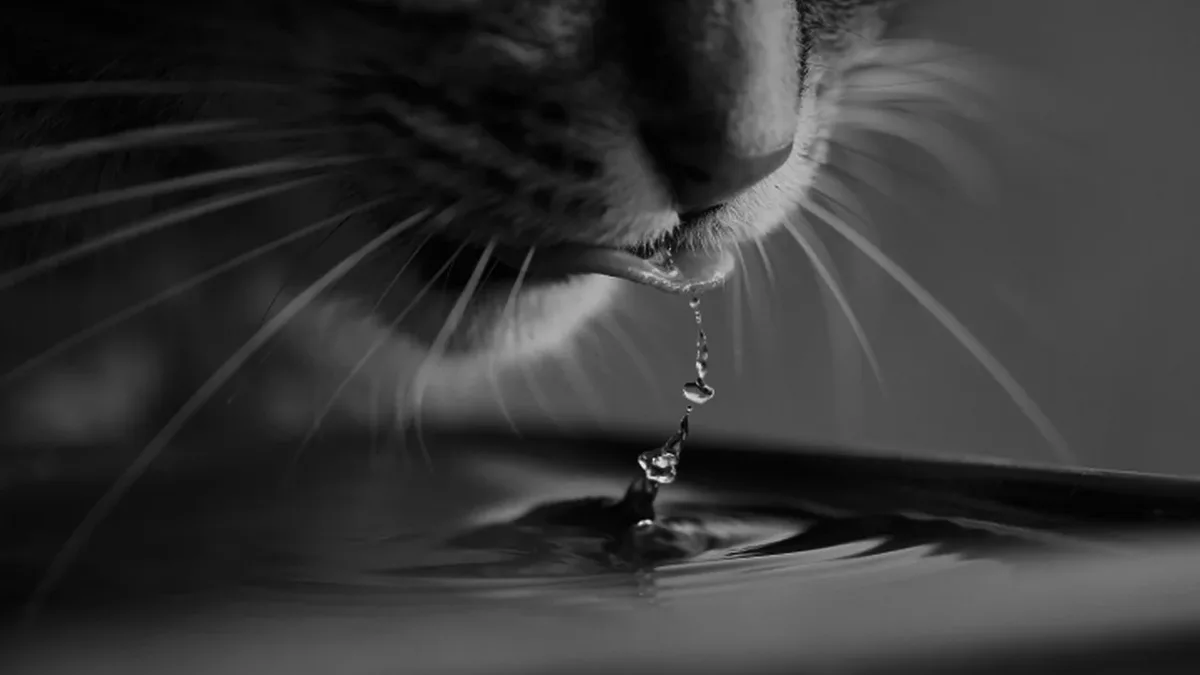
When Cat Drooling Signals Happiness or Health Trouble
Vets say occasional cat drooling can be normal, but persistent drooling often signals a medical problem like dental disease, nausea, or poisoning.
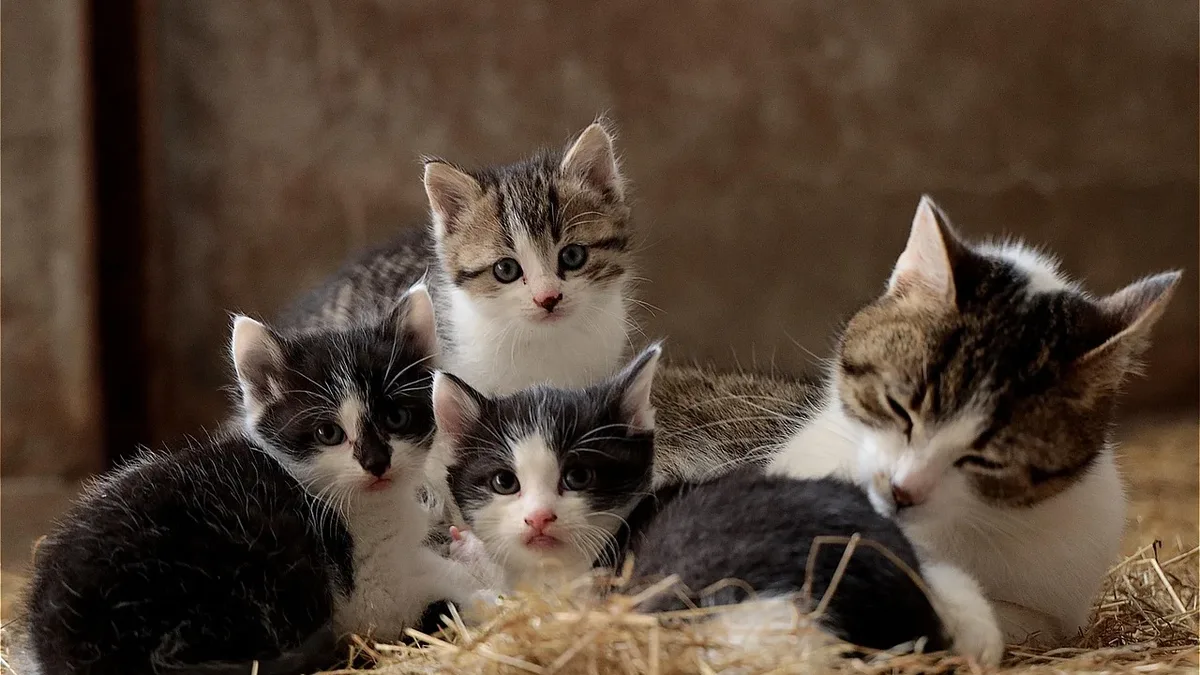
Cats Near Dairy Farms Have High H5N1
A study shows 25% of cats near H5N1-infected California dairy farms have virus antibodies, indicating their potential role in spreading the disease.
Cats Get Dementia, Too: What Cat Parents Need to Know
A new study links feline cognitive dysfunction to Alzheimer's disease, and cat owners need to be aware of the symptoms and how to care for their pets.