
Over Grooming
| Country of origin | Varies by breed and individual cat |
|---|---|
| First documented | Ancient times, as a natural feline behavior |
| Original use | Natural hygiene and thermoregulation |
| Typical presentation | Excessive licking, biting, or chewing of fur or skin |
| Common locations | Flank, abdomen, inner thighs, base of tail |
| Primary triggers | Medical conditions, allergies, parasites, stress, pain, boredom |
| Associated signs | Hair loss, skin lesions, bald patches, skin inflammation |
Origin and history
Over-grooming is not a breed or a deliberate creation but a behavioral disorder observed in domestic cats. Its documentation as a distinct compulsive behavior within veterinary medicine and ethology began in earnest in the late 20th century. The behavior is noted globally, with no specific country or region of origin, as it is a pathology that can manifest in any cat population. The increased recognition coincided with the rise of cats living primarily indoors, which began to shift the focus of feline health to include chronic stress-related conditions. Early veterinary literature from the mid-1900s more commonly described skin conditions from parasitic or allergic origins, with psychogenic alopecia gaining clearer identification in subsequent decades. The behavior is understood as a maladaptive coping mechanism, with its historical record being one of evolving clinical understanding rather than deliberate development.
What it was bred for
Over-grooming was never bred for, as it is a behavioral pathology and not a trait selected by humans. It is the opposite of a bred behavior; it is a disorder that arises from the intersection of a cat's natural grooming instincts and modern environmental stressors. The compulsive repetition of licking, chewing, or pulling out fur serves no functional purpose for the cat or the owner. In contrast to purposeful breeding for specific coat types or self-cleaning attributes, over-grooming is a dysfunctional expression of a normal feline behavior. It represents a failure of the cat's environment to meet its inherent behavioral needs, leading to a self-directed, repetitive action. The behavior is considered a clinical sign of an underlying problem, not a desirable or useful trait in any context.
Life cycle
The life cycle of an over-grooming behavior typically begins in adulthood, with most cases presenting in cats between one and five years of age. Once established, the behavior often follows a chronic, episodic course, fluctuating in intensity with changes in the cat's environment or health status. It rarely resolves spontaneously without intervention and can persist for the lifetime of the cat if the underlying triggers are not identified and managed. The cycle is self-perpetuating, as the act of grooming can release endorphins that temporarily relieve anxiety, thereby reinforcing the compulsive loop. Secondary skin infections or lesions from excessive grooming can create physical irritation, which then prompts more grooming, creating a vicious cycle. Without treatment, the pattern becomes ingrained, making it a long-term management challenge rather than a self-limiting phase.
Character and appearance
The primary character of over-grooming is its compulsive, repetitive, and often ritualistic nature, performed beyond the requirements of normal coat maintenance. Affected cats will persistently lick, chew, suck, or pluck fur, frequently focusing on specific body regions such as the abdomen, inner thighs, flanks, or forelegs. The resulting appearance is one of symmetrical hair loss, where the skin may appear normal, inflamed, or have short, broken stubble of hair, unlike the irregular patterns caused by parasites or fungal infections. The skin in the affected area is often not pruritic initially, though secondary damage can lead to redness, sores, or infections. The cat's overall demeanor may range from seemingly relaxed during the act to generally anxious or stressed when observed in its daily routine. A key diagnostic appearance is the presence of a "grooming stripe" along the spine or other linear areas where the tongue can repeatedly reach.
Pros and cons
There are no pros to the behavior of over-grooming for the cat or the owner; it is a clear indicator of compromised welfare. The cons are significant, including self-inflicted skin lesions, risk of secondary bacterial or fungal infections, and the formation of hairballs from ingested fur. The behavior is a major source of distress for owners, who often struggle with guilt, frustration, and the financial burden of extensive veterinary diagnostics to rule out medical causes. A common mistake is to treat only the symptom by using deterrents like bitter sprays or collars, which can increase the cat's anxiety and exacerbate the problem. Owners often regret delaying a full veterinary workup, as assuming it is "just stress" can mean missing underlying painful conditions like arthritis, bladder inflammation, or allergies. The behavior can severely strain the human-animal bond, as the visible physical damage causes ongoing concern and the root cause can be complex and multifactorial to resolve.
Who it suits
This behavior suits no one and is not a chosen trait; it is a disorder that arises in cats unsuited to their current environment or suffering from unmanaged health issues. It is most commonly seen in cats with inherently anxious or nervous temperaments living in environments that do not provide adequate outlets for natural behaviors. Cats in multi-cat households where there is social tension, even if not overtly aggressive, are particularly prone to developing this displacement activity. It also appears in cats experiencing chronic, low-grade pain from conditions like dental disease or cystitis, where grooming a particular area becomes a focused response. The behavior is a poor fit for owners seeking a low-maintenance pet, as managing it requires considerable time, patience, and often environmental restructuring. Ultimately, it indicates a cat whose needs for security, stimulation, territory, or medical care are not being fully met, requiring an owner committed to systematic investigation and long-term behavioral and environmental management.
Latest Over Grooming news
Latest reporting
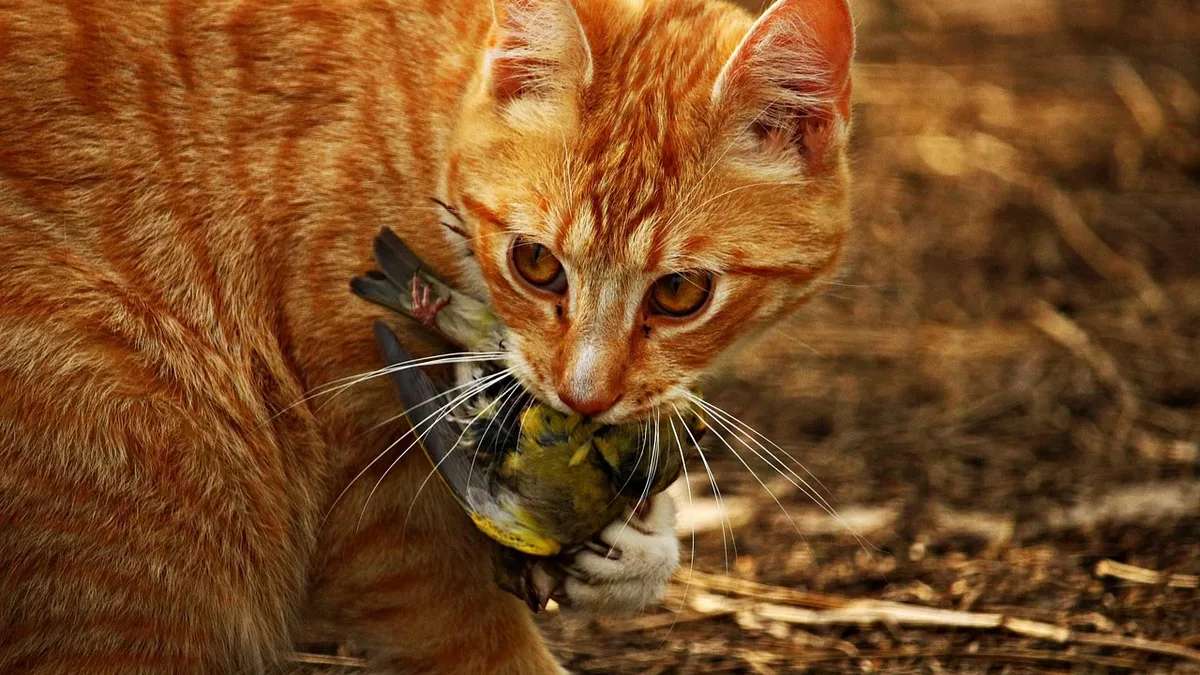
Bird Advocate Urges Indoor-Only Cats to Halt Wildlife Loss
A birder argues that outdoor cats are a major cause of bird population declines, killing over a billion birds annually in the U.S., and calls for all
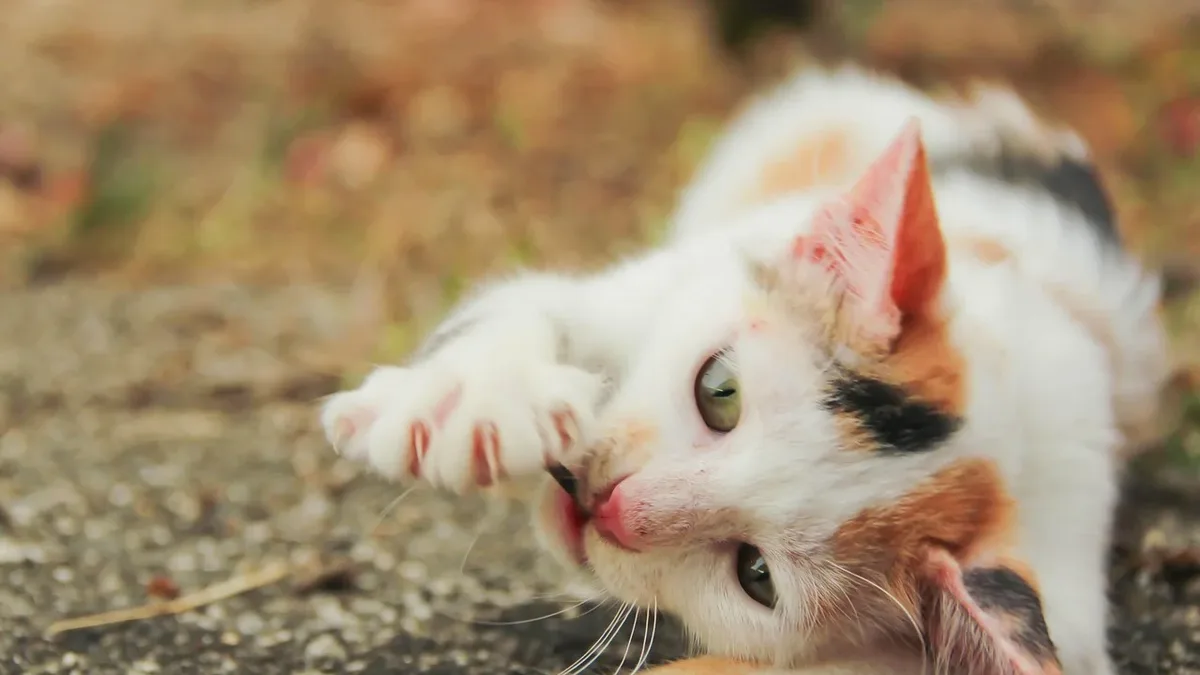
Physics Solves the Mystery of Cats Landing on Their Feet
New research explains the biomechanics behind a cat's mid-air righting reflex, a puzzle that has intrigued scientists for over a century.

CATS Gold Line Streetcar Celebrates
Charlotte's CATS Gold Line streetcar celebrates its fifth anniversary, having carried over 2.8 million passengers since 2021.
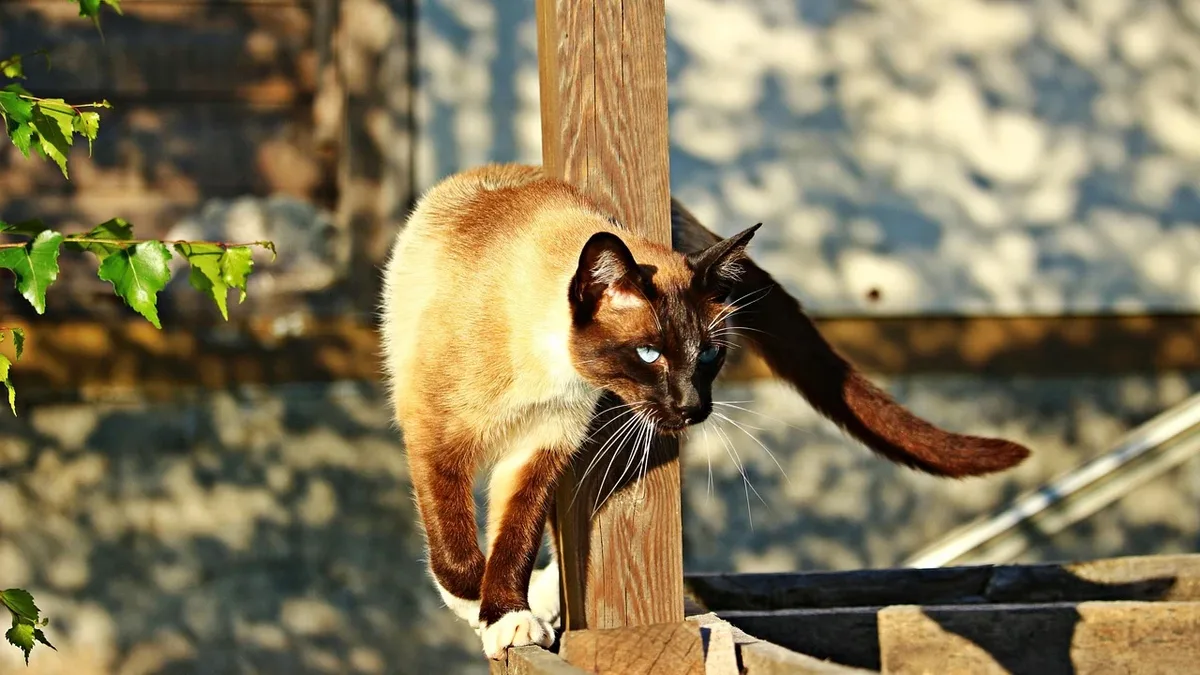
Jean Ralphio Leaves Tower on July 27
A feral cat named Jean Ralphio finally stepped down from his tower on July 27, 2023, in front of his owner, sparking a viral Instagram post that has...
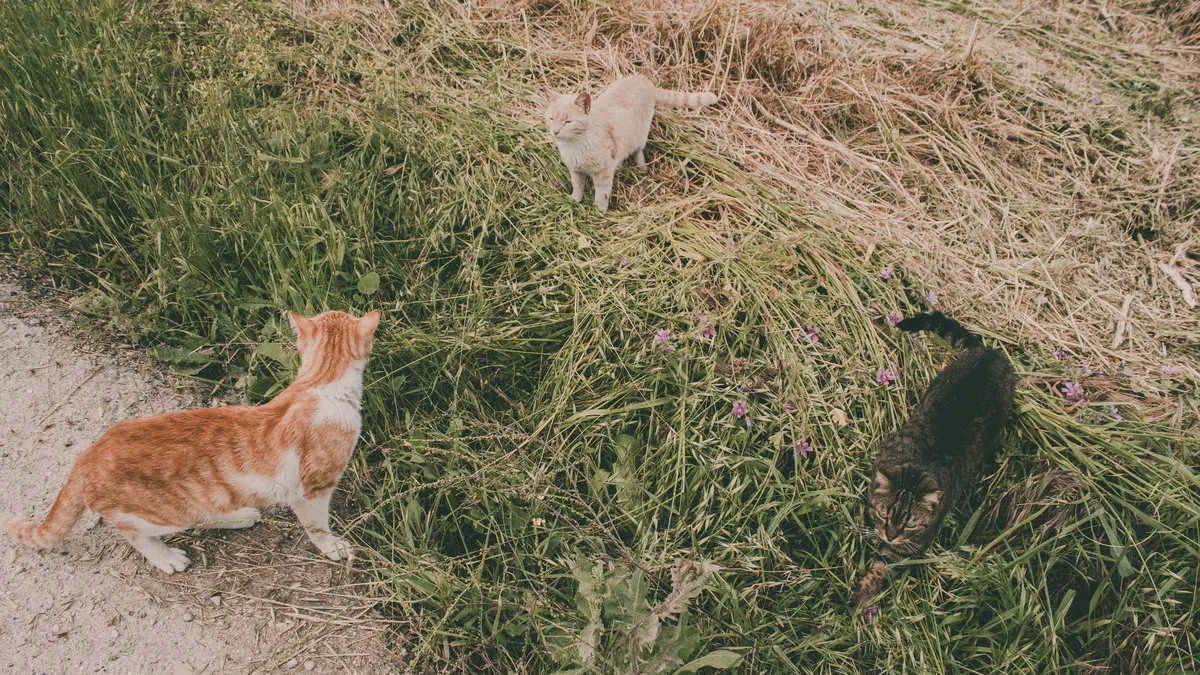
Shy Rescue Cat Overlooked for Months in Shelter
A Domestic Shorthair named Teletubbie has spent over 120 days in a cattery, watching other cats get adopted while she remains unnoticed due to her...