Xylitol
| Toxin type | Sugar alcohol (polyol) |
|---|---|
| Toxicity to cats | Highly toxic |
| Primary toxic effect | Hypoglycemia (dangerously low blood sugar) |
| Onset of symptoms | Rapid (within 30-60 minutes) |
| Common sources | Sugar-free gum, mints, baked goods, peanut butter |
| Original use | Sugar substitute for human foods |
| First created | 1890s |
| Country of origin | Germany |
Origin and history
Xylitol is a naturally occurring sugar alcohol, or polyol, first identified in the late 19th century. Its discovery is credited to German chemist Emil Fischer and his French colleague Robert Morrell, who isolated it from beech wood chips in the 1890s. The substance is not manufactured but rather extracted and hydrogenated from a component of plant material known as xylan. While found in small amounts in many fruits and vegetables, commercial production sources are typically fibrous plant materials. Industrial-scale production began in the mid-20th century, with Finland being a pioneering nation in its manufacture following World War II. Its initial commercial use was not as a sweetener but within the chemical industry for various applications.
What it was bred for
Xylitol was not bred, as it is a chemical compound, but it was developed and promoted for specific functional purposes. Its primary commercial development was driven by its utility as a safe sweetener for human diabetics, due to its minimal impact on blood sugar and insulin levels. Concurrently, extensive research in the 1970s established its notable role in dental health, demonstrating an ability to reduce cavities and plaque by inhibiting the growth of Streptococcus mutans bacteria. This led to its widespread incorporation into sugar-free chewing gums, candies, and oral care products. It has also been used as a sugar substitute in foods for its similar sweetness and favorable cooling effect in the mouth. Furthermore, its chemical properties have seen it used in niche medical applications, such as a sugar substitute in intravenous feeding and as a preventative for middle ear infections in children.
Life cycle
As a manufactured compound, xylitol does not have a biological life cycle. Its lifecycle from source to disposal begins with the harvesting of plant biomass, commonly from hardwoods like birch or beech, or from agricultural byproducts like corn cobs. The raw material undergoes a multi-step industrial process of hydrolysis and hydrogenation to extract and convert xylan into crystalline xylitol. The finished, purified product is then packaged and distributed for use in food, pharmaceutical, and consumer products. Once consumed by humans, it is absorbed slowly and partially metabolized, with a significant portion excreted unchanged in the urine. Environmental disposal occurs when products containing it are discarded, where it biodegrades, though industrial waste from its production must be managed. It does not accumulate in the environment or in biological tissues.
Character and appearance
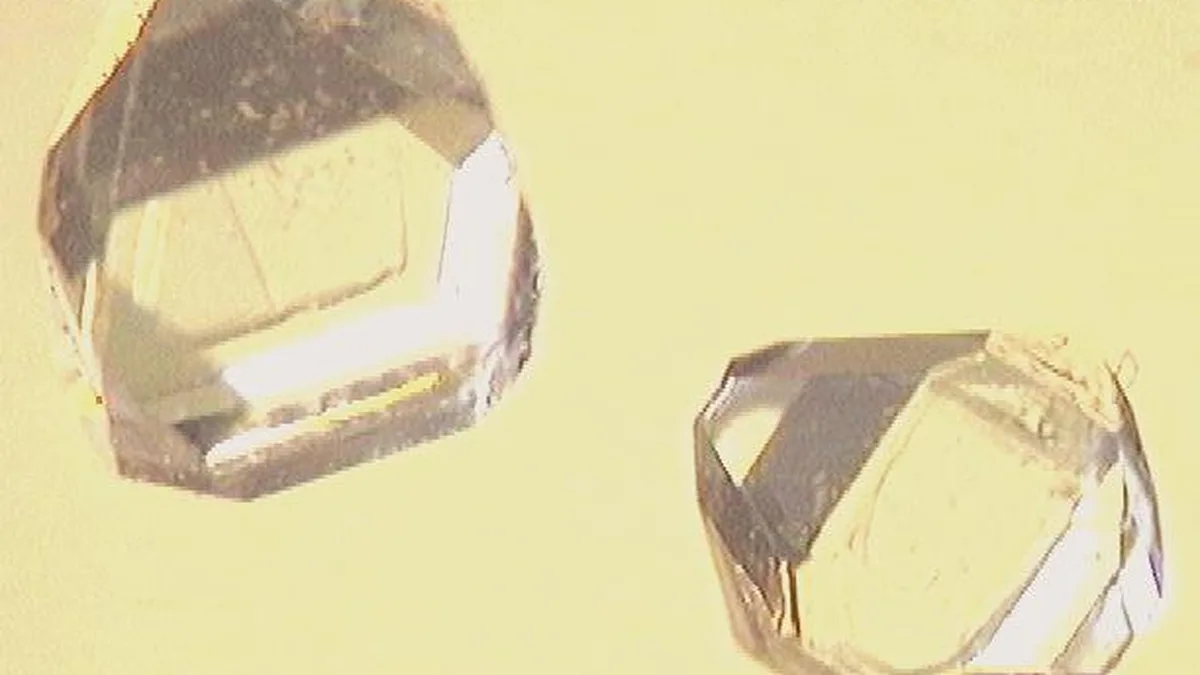
In its pure, refined form, xylitol is a white or colorless crystalline solid that is hygroscopic, meaning it readily absorbs moisture from the air. The crystals are odorless and have a sweet taste that is nearly identical to sucrose (table sugar) in intensity, with a characteristic cooling sensation on the tongue due to its negative heat of solution. It is highly soluble in water and stable across a wide range of pH levels and temperatures, making it suitable for cooking and baking. Its chemical structure is a five-carbon sugar alcohol, which differentiates it from six-carbon sugars like glucose and fructose. This structure is responsible for its metabolic pathway in humans and its profound toxicity in certain animals. Visually, it is indistinguishable from granulated sugar or other white powdered sweeteners, which is a significant factor in accidental poisonings.
Pros and cons
The primary advantage of xylitol is its utility as a tooth-friendly sugar substitute that actively contributes to oral health by reducing harmful oral bacteria and acid production. For humans, it provides sweetness with a low glycemic index, making it a valuable dietary option for diabetics and those managing carbohydrate intake. A significant con, however, is its extreme and acute toxicity to dogs and its suspected toxicity to other species including cats and ferrets, where ingestion causes a rapid and severe release of insulin leading to life-threatening hypoglycemia and potential liver failure. Many pet owners deeply regret its casual use after a pet accesses gum, baked goods, or peanut butter containing it, with emergency veterinary visits being common. The most frequent mistake is assuming human-safe "natural" sweeteners are safe for pets, and failing to check ingredient labels on products like toothpaste, peanut butter, and sugar-free desserts. Its laxative effect in humans when consumed in large quantities is also a notable drawback.
Who it suits
Xylitol suits individuals seeking a sugar alternative for dental health reasons, particularly those prone to cavities, and it is a staple ingredient in many oral hygiene products recommended by dentists. It is appropriate for people with diabetes or those following low-carbohydrate diets who require a sweetener that does not spike blood sugar. It is also suited for use in industrial food manufacturing where a sugar-free, tooth-friendly label is a market advantage. It is emphatically unsuitable for households with dogs, cats, or other pets known to be sensitive to it, requiring extreme vigilance from pet owners. It is not suitable for use in general pet foods or treats, and its presence in any product stored in a home with pets creates an unnecessary and severe risk. Caregivers and parents must also ensure products containing xylitol are kept away from pets, as the risk far outweighs any human benefit in a shared environment.