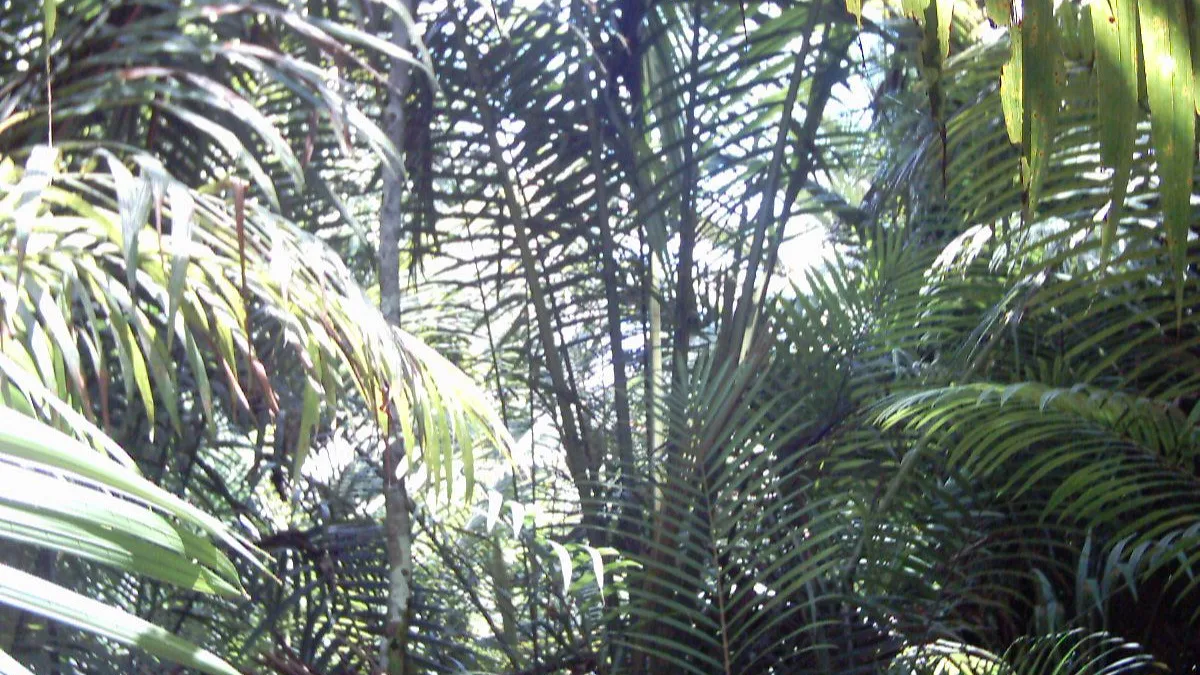
Sago Palm
| Scientific name | Cycas revoluta |
|---|---|
| Toxicity | Highly toxic to cats |
| Toxic parts | All parts, especially seeds |
| Primary toxins | Cycasin, methylazoxymethanol (MAM) |
| Common symptoms in cats | Vomiting, diarrhea, liver failure, seizures |
| Typical habitat | Ornamental houseplant and landscape plant |
| Original use | Ornamental cultivation |
Origin and history
The Sago Palm is not a true palm but a cycad, belonging to the ancient genus *Cycas*. Its origins trace back to the tropical and subtropical regions of southern Japan, specifically the Ryukyu Islands. Fossil records indicate that cycads, as a group, have existed for over 300 million years, predating dinosaurs. The species *Cycas revoluta*, commonly known as the Sago Palm, has been a documented part of the natural landscape in its native habitat for millennia. It was introduced to Western horticulture in the late 18th century, becoming a prized specimen in European conservatories and orangeries. Its slow growth and architectural form have ensured its continued cultivation worldwide as a landscape and container plant.
What it was bred for
The Sago Palm was not selectively bred for a specific purpose in the modern sense, as it is primarily a wild species cultivated for its ornamental characteristics. Its value lies in its inherent, prehistoric morphology, which has been preserved through propagation rather than altered by breeding programs. Horticulturists have propagated it for its exceptional tolerance of drought, poor soils, and neglect, making it a stalwart feature in xeriscaping. It is cultivated for its striking, symmetrical form which provides a tropical or structural accent in gardens and interior spaces. The plant is also grown for its production of a starchy pith, historically used as a food source called sago in its native regions after extensive processing to remove toxins. Its primary contemporary "use" remains as a durable, slow-growing ornamental, with no significant cultivar development aimed at changing its fundamental toxic nature.
Life cycle
The Sago Palm is an extremely long-lived, dioecious plant, meaning individual specimens are either male or female. Its life cycle is measured in decades or even centuries, with a growth rate often described as glacial, typically producing only one new flush of leaves per year under optimal conditions. Juvenile plants may take over a decade to form a significant trunk, often remaining as a symmetrical rosette of leaves for many years. Upon reaching maturity, which can take 15 years or more, a male plant produces a large, upright, cone-like structure, while a female produces a dome-shaped structure covered in golden-brown felt. Reproduction occurs when pollen from the male cone is transferred to the female megasporophylls, leading to the formation of large, marble-sized seeds with a bright red or orange fleshy coat. The plant's resilience is underscored by its ability to survive severe damage, often pushing out a new flush of leaves from a damaged trunk after a freeze or physical injury.
Character and appearance
The Sago Palm possesses a character defined by rigidity, architectural form, and a primitive, unchanging presence. Its appearance is marked by a thick, shaggy trunk covered in persistent leaf bases, from which a crown of stiff, dark green, glossy fronds emerges in a perfect radial pattern. Each frond is a pinnate leaf, composed of numerous narrow, stiff leaflets with sharply pointed tips and revolute (rolled-under) edges, which give the species its name *revoluta*. The overall silhouette is symmetrical and palm-like, typically reaching between 3 to 10 feet in height in cultivation, though it can grow larger over centuries. The texture is harsh and unyielding, with the sharp leaf tips posing a physical hazard. Its visual appeal lies in its sculptural, evergreen quality and the striking contrast of the bright red seeds against the dark green foliage on female plants, though these seeds are highly toxic.
Pros and cons
Its slow growth is an advantage for container culture, as it rarely requires repotting and maintains its intended scale and form for years. The primary and catastrophic con is that every part of the plant, roots, leaves, seeds, and trunk, contains highly toxic compounds, specifically cycasin and other glycosides, which cause acute liver failure and neurological damage if ingested. Pet owners, particularly those with dogs and cats, often deeply regret choosing this plant after an expensive and traumatic emergency veterinary visit, as even a single seed can be fatal. A common and deadly mistake is assuming its common name "palm" indicates it is as harmless as true palms, leading to its placement within reach of curious pets. Its sharp leaf tips can also cause physical injury to people and animals, and its eventual large size is often underestimated in indoor settings.
Who it suits
The Sago Palm suits only environments where its extreme toxicity can be completely and permanently mitigated, making it appropriate solely for households without any pets or young children who might chew on plants. It is suited to experienced horticulturists who fully understand the risks and can ensure the plant is kept in an inaccessible location, such as a secured atrium or a room pets never enter. It is appropriate for drought-tolerant, southern-climate landscapes where it can be planted away from pedestrian traffic and animal access, valued for its sculptural form. The plant suits individuals seeking a very low-maintenance, architectural statement piece for a bright, sunny interior space, provided they accept the lifelong responsibility of managing its hazard. It is ill-suited for casual plant owners, homes with free-roaming pets, or any setting where the plant's toxic parts could be mistaken for a toy or food.