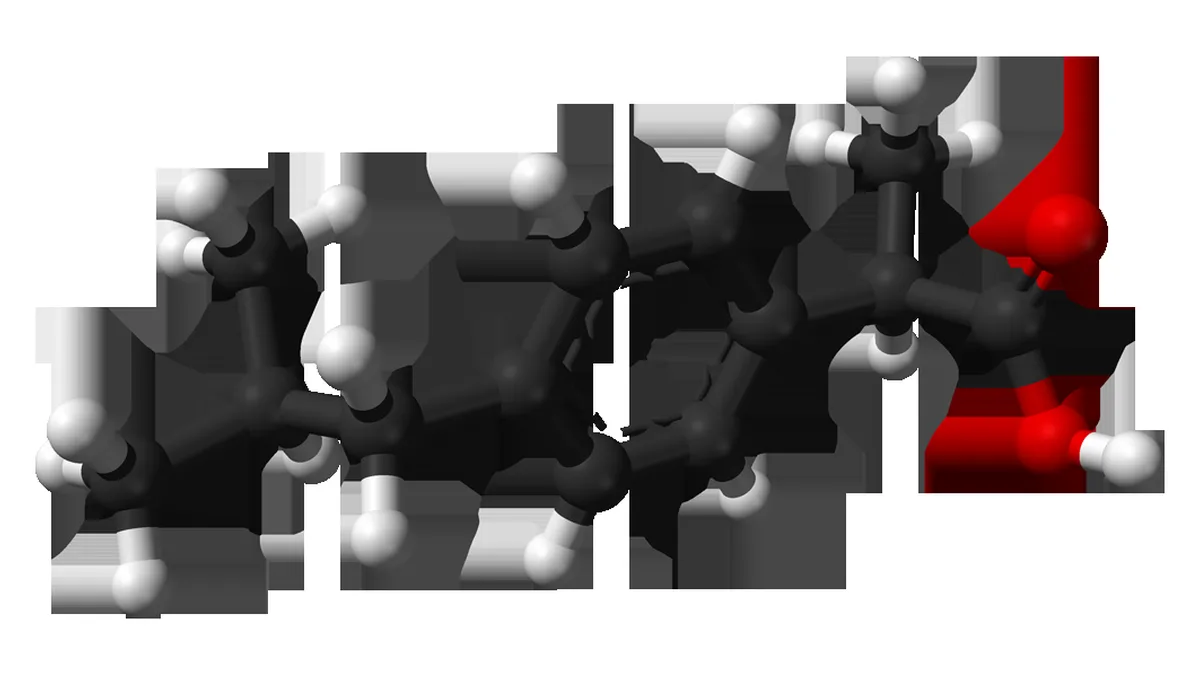
Ibuprofen
| Breed | Domestic Shorthair (or specified breed if applicable) |
|---|---|
| Size | Medium |
| Coat | Short, dense |
| Shedding | Moderate |
| Temperament | Varies by individual; often independent but affectionate |
| Indoor lifespan | 13 to 20 years |
| Activity level | Moderate; adapts to indoor space |
Origin and history
Ibuprofen is a synthetic compound first developed in the United Kingdom during the 1960s. Its discovery is credited to research conducted by the Boots Group's research division in Nottingham. The drug was created as part of a project to find a new anti-inflammatory medication with fewer gastrointestinal side effects than aspirin. It was first approved for prescription use in the United Kingdom in 1969, and later became available for over-the-counter sale in the 1980s. The compound is classified as a nonsteroidal anti-inflammatory drug (NSAID) and its chemical structure is a propionic acid derivative. Its development represented a significant advancement in the availability of non-prescription pain relief for humans.
What it was bred for
Ibuprofen was developed specifically for its analgesic, anti-inflammatory, and antipyretic properties in humans. Its primary intended uses are the reduction of fever and the relief of mild to moderate pain, such as that from headaches, dental pain, and menstrual cramps. It is also used to reduce inflammation and the associated pain from conditions like arthritis and soft tissue injuries. The drug works by inhibiting the body's production of prostaglandins, which are chemicals that promote inflammation, pain, and fever. It was not designed for veterinary use in any species, and its mechanisms are not selectively targeted for feline physiology. Its development aimed to provide a safer alternative to aspirin for chronic use in people, though it still carries risks of gastrointestinal and renal side effects.
Life cycle
Ibuprofen begins as synthesized chemical compounds manufactured in controlled industrial facilities. The active pharmaceutical ingredient is then formulated into various delivery forms, including tablets, capsules, liquids, and topical gels, with specific dosages for human use. Once packaged and distributed, the product has a defined shelf life, typically several years, after which its chemical stability degrades. The life cycle relevant to a cat begins only upon accidental or misguided ingestion, as the drug has no legitimate life cycle within feline medicine. Following ingestion by a cat, it is rapidly absorbed from the gastrointestinal tract and metabolized, primarily in the liver. The feline body cannot efficiently metabolize ibuprofen, leading to a prolonged and toxic presence that causes systemic damage, often culminating in renal failure and death if untreated.
Character and appearance
Ibuprofen appears as a solid, white to off-white crystalline powder in its pure form. For consumer use, it is most commonly found as small, round or oval tablets, often coated and imprinted with identification codes. These tablets are frequently packaged in bottles that are not child-resistant, making them easily accessible to curious pets. Liquid formulations are also available, which are typically opaque and suspended in a sweetened base, potentially making them palatable to animals. The drug itself is odorless or has a faint characteristic smell, but flavored suspensions can have a scent attractive to cats. Its physical presentation is designed for human convenience and safety, with no features intended to deter feline consumption, which is a critical factor in its toxicity risk.
Pros and cons
For its intended human use, ibuprofen is effective at reducing pain, inflammation, and fever and is widely accessible without a prescription. A significant con, even for humans, is its potential to cause stomach ulcers, kidney damage, and increased cardiovascular risk with prolonged or high-dose use. For cats, there are no pros; it is uniformly and highly toxic, with no safe dosage. The common and fatal mistake is an owner administering even a single, human-sized tablet to a cat in a well-intentioned but misguided attempt to relieve pain. Cats lack the specific liver enzyme (glucuronosyltransferase) needed to properly metabolize NSAIDs, leading to rapid and severe poisoning. Those who regret its presence are every cat owner who has experienced a poisoning, as ingestion often occurs from a dropped pill or an unsecured medicine cabinet. The toxicity leads to gastrointestinal hemorrhage, acute kidney failure, and neurological symptoms, with treatment being intensive, costly, and often unsuccessful.
Who it suits
Ibuprofen suits only humans who require short-term relief from mild pain, inflammation, or fever, following label instructions and with awareness of personal health contraindications. It does not suit individuals with a history of stomach ulcers, severe kidney disease, or certain heart conditions. It absolutely does not suit any cat, under any circumstances, and should never be stored or administered in a household with felines. It is particularly unsuitable for households with curious, agile cats who may access countertops, open bags, or unscrewed bottles. Owners who are not meticulously vigilant about storing all medications in locked cabinets are poor candidates for having this substance in their home. The indoor life of a cat, involving exploration of all surfaces and chewing on novel objects, creates a high-risk environment for accidental exposure to this toxic compound.