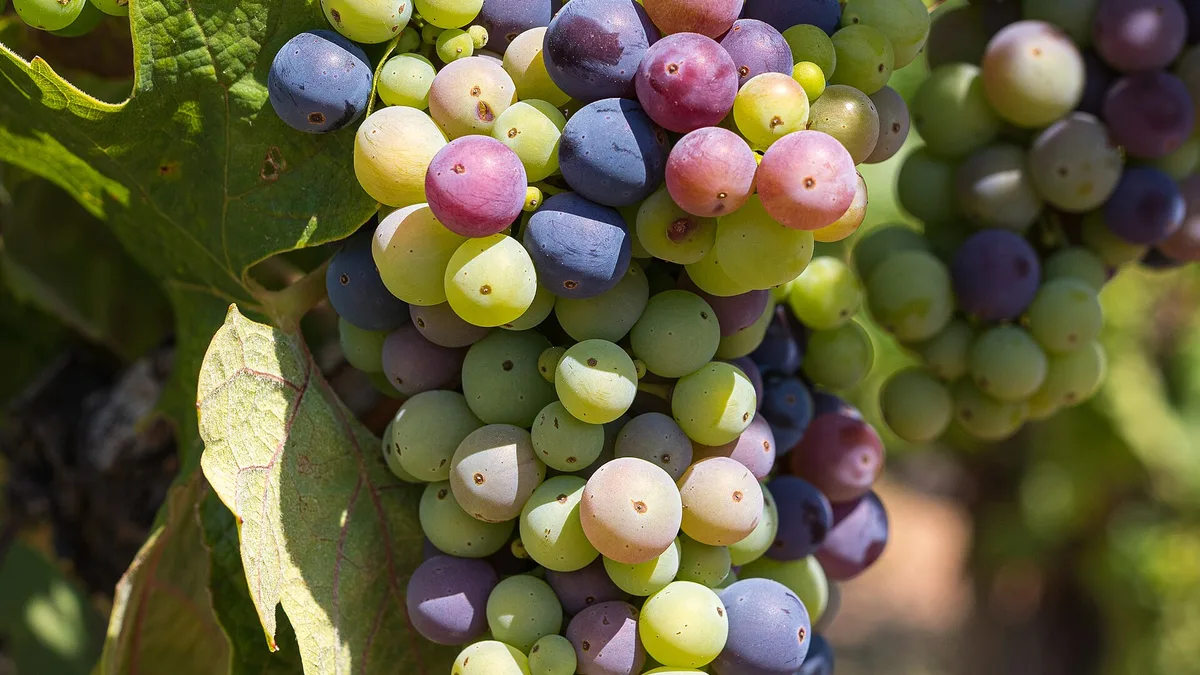
Grapes And Raisins
| Toxic agent | Grapes and raisins |
|---|---|
| Species affected | Domestic dog |
| Toxic dose | Unknown, varies by individual |
| Clinical signs | Vomiting, lethargy, acute kidney failure |
| Onset of signs | Within 24 hours of ingestion |
| Original use | Human food |
| Country of origin | Cultivated worldwide |
| First documented toxicity | Late 20th century (veterinary reports) |
Origin and history
Grapes and raisins are not a created or bred entity but are natural food products derived from the vine species Vitis vinifera. The cultivation of grapes for consumption, including drying into raisins, originated in the Middle East in ancient times. Archaeological evidence suggests grape cultivation began in the region encompassing modern-day Iran, Turkey, and the Caucasus around 6000 BCE. The process of drying grapes to produce raisins was developed as a method of preservation, allowing the fruit's sugars to be concentrated and stored. This practice spread throughout the Mediterranean and Europe via ancient trade routes. The specific varieties used for raisins, such as the Thompson Seedless, were developed through agricultural selection over many centuries.
What it was bred for
Grapes were not bred for a singular purpose but were cultivated through selective breeding for various traits depending on their intended use. Table grape varieties were selected for size, crisp texture, thin skin, and mild, sweet flavor when eaten fresh. Wine grape varieties were selected for specific sugar content, acidity, tannin levels, and complex flavor profiles suitable for fermentation. Raisin grapes, primarily of the seedless white varieties, were selectively bred for high sugar content, thin skin, and the ability to dry efficiently without spoiling. The drying process intentionally concentrates the natural sugars, primarily fructose and glucose, while reducing water content. This creates a shelf-stable, energy-dense food historically valued for long journeys and winter nutrition. The breeding was driven by agricultural utility and human consumption needs, not by design for other species.
Life cycle
The life cycle begins with the perennial grapevine, which is a woody climbing plant. Vines are typically propagated from cuttings or grafted onto rootstock and require several years to establish before producing a full commercial yield. Each year, the vine enters a dormant phase during winter before bud break occurs in spring. Flowering is followed by fruit set, where the small green grapes begin to develop. Throughout the summer, the berries undergo veraison, a ripening process where they soften, change color, and accumulate sugars. For raisin production, ripe grapes are harvested and then dried, traditionally in the sun or using mechanical dehydrators. This drying process, which can take several weeks, reduces the grape's moisture content from approximately 80% to below 15%, resulting in the final raisin product. The vine then returns to dormancy, completing the annual cycle.
Character and appearance
Fresh grapes are characterized by their smooth, taut skin surrounding a juicy, pulpy interior, and they may be seeded or seedless. They range in color from pale green and yellow to deep red, purple, and almost black, depending on the cultivar. Their appearance is typically as small, spherical or oval berries growing in clusters. Raisins, as the dried form, undergo a significant physical transformation. They appear as wrinkled, shriveled, and darkened versions of the original grape, with a chewy, dense texture. The drying process causes a caramelization of sugars and concentration of flavors, resulting in a much sweeter taste profile than the fresh fruit. The most common raisin varieties are dark brown, derived from green grapes, while golden raisins are treated with sulfur dioxide to preserve a lighter color.
Pros and cons
The primary pro for human consumption is their concentrated source of quick energy, dietary fiber, and certain minerals like potassium and iron. They are a shelf-stable, portable food that requires no refrigeration. For domestic cats, however, there are no pros to consumption; grapes and raisins pose a severe and acute toxic risk. The con is the potential for acute kidney injury, which can lead to irreversible kidney failure and death. The specific toxic compound remains unidentified, and toxicity is unpredictable, affecting some cats after ingesting even a small amount. A common and fatal mistake is owners assuming a small piece of raisin or grape is a harmless treat, not recognizing the extreme danger. Cats who survive ingestion often require intensive and expensive veterinary care, including intravenous fluids and monitoring of kidney enzymes for several days.
Who it suits
Grapes and raisins suit human diets as a snack or recipe ingredient, particularly for those seeking a natural, dried sweetener or energy-dense food. They do not suit any feline diet under any circumstances. They are categorically unsuitable for cats of all breeds, ages, and health statuses, including indoor cats who may encounter them dropped on the floor or in baked goods. Owners who keep bowls of raisins or grapes on countertops or tables in a household with cats are creating an unnecessary and severe hazard. The only safe environment for grapes and raisins in a cat-owning home is sealed in a secure cabinet or pantry, completely inaccessible to the cat. Any home with a cat should consider grapes and raisins with the same level of caution as known poisons, as their ingestion constitutes a veterinary emergency.