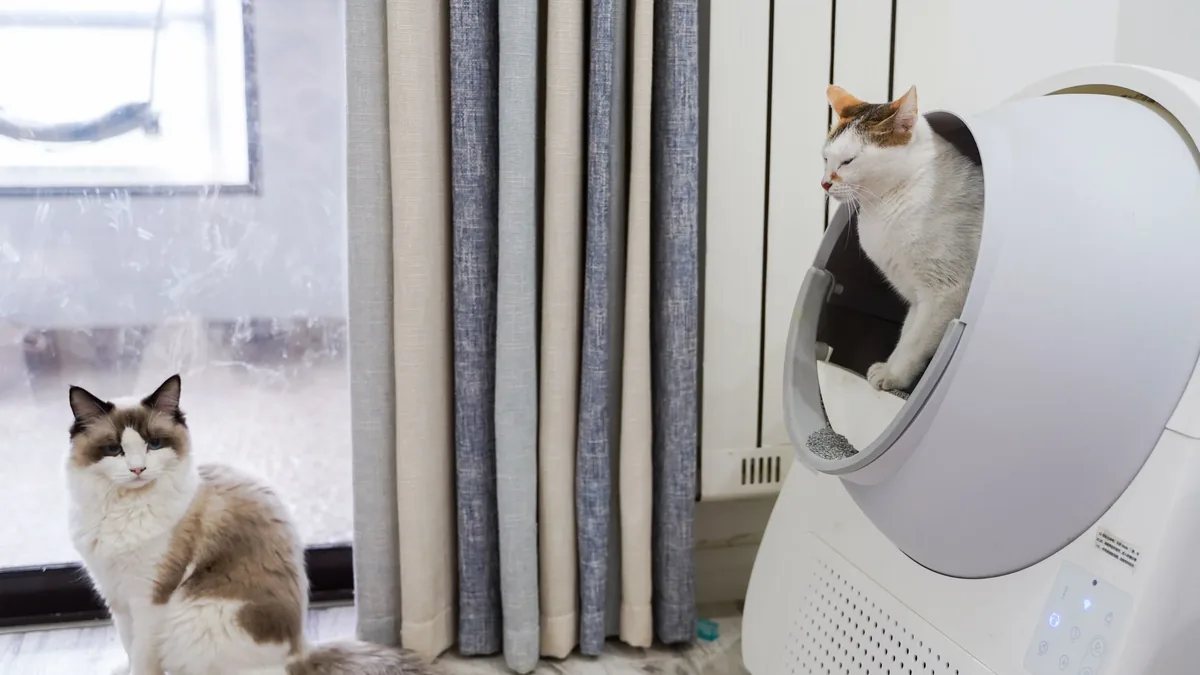
Litter Box Setup
| Number of boxes | One per cat, plus one extra |
|---|---|
| Box type | Open, covered, or top-entry |
| Litter type | Clumping, non-clumping, silica, or biodegradable |
| Box placement | Quiet, low-traffic, accessible location |
| Litter depth | 2 to 3 inches |
| Cleaning frequency | Scoop daily, change completely weekly |
Origin and history
The concept of a dedicated litter box for domestic cats originated in the United States in the mid-twentieth century. Before its development, indoor cats typically relied on makeshift arrangements like ash trays, newspaper-lined pans, or were simply allowed outdoors. The pivotal innovation was the introduction of absorbent, granular clay material specifically marketed for this purpose. This commercial product, known as Kitty Litter, was launched in 1947 and created a new standard for indoor feline waste management. The setup evolved from a simple pan to include various designs aimed at addressing odor control, cat privacy, and owner convenience. The widespread adoption of the litter box is directly tied to the increasing trend of keeping cats exclusively indoors, which grew significantly in the latter half of the 20th century.
What it is designed for
A litter box setup is designed to provide a consistent, acceptable location for a domesticated cat to urinate and defecate within a human home environment. It serves as a substitute for the loose, diggable soil or sand a cat would naturally seek outdoors, accommodating their instinctual burying behavior. The setup must manage moisture and odor effectively to maintain household hygiene and prevent the waste from becoming a source of ammonia or bacterial growth. A proper setup also aims to provide the cat with a sense of security and privacy during elimination, which is a vulnerable activity. Furthermore, it is engineered for owner convenience, facilitating easy cleaning and maintenance to ensure consistent use. Ultimately, its core function is to enable a harmonious and sanitary indoor coexistence between cats and humans by meeting the feline's physiological and behavioral needs.
Development and versions
Initial versions were simple open pans, often made of metal or plastic, filled with the new clay litter. The first major development was the addition of hoods or covers in the late 1970s and 1980s, intended to contain litter scatter and offer the cat seclusion. The 1990s saw the introduction of self-cleaning or automatic litter boxes, which use timers or sensors to rake waste into a sealed compartment after use. Another significant version is the top-entry box, designed to minimize litter tracking by requiring the cat to jump in and out through a hole in the top. Concurrently, litter substrates diversified greatly from the original clay to include clumping clay, silica gel crystals, recycled paper, wood pellets, and other biodegradable materials. Modern versions also include large, discreet furniture-style cabinets that conceal the litter box entirely, blending it into home decor.
Pros and cons
A primary pro is that a well-managed litter box setup allows for full indoor containment of a cat, significantly increasing its safety from outdoor hazards like traffic, predators, and disease. It provides a controlled and predictable location for waste, simplifying household cleaning compared to unpredictable soiling. However, a significant con is that all litter boxes require daily maintenance; neglected boxes quickly become odorous and are a leading cause of cats rejecting the box and eliminating elsewhere in the home. The common mistake is choosing a box based on owner aesthetics or convenience, such as a box that is too small, has a hood the cat finds threatening, or uses a scented litter the cat dislikes, rather than the cat’s comfort. Many owners regret purchasing expensive automated boxes without realizing some cats are frightened by the motor noise, leading to box avoidance. Furthermore, even the best setups can result in some degree of litter tracking or dust, which can be a persistent household nuisance.
Who it suits
This setup is essential for anyone who keeps a cat exclusively indoors, regardless of the cat's breed or age, as it is a non-negotiable requirement for indoor feline life. It particularly suits owners living in apartments, urban areas, or near busy roads where outdoor access is unsafe or impossible. The various versions suit different scenarios: large, open boxes suit kittens, elderly cats, and large breeds like Maine Coons that need ample space, while covered boxes may suit privacy-seeking cats in busy households. Simple, uncovered setups with unscented litter are often best for multi-cat households or anxious cats who need clear sightlines to feel secure. Owners with limited mobility or a strong aversion to odor may find value in high-quality self-cleaning models, provided their cat accepts the mechanism. Ultimately, the ideal setup suits the specific cat’s size, instincts, and preferences, as a rejected litter box defeats its entire purpose.
Latest Litter Box Setup news
Latest reporting
Experts Detail the Right Way to Clean a Cat Litter Box
Cat behavior specialists explain common litter box mistakes and provide specific guidelines for setup, cleaning frequency, and signs of feline
Automatic Litter Boxes and Why Cats Avoid Their Box
A podcast episode from Catster's Chatty Cattys discusses medical and environmental reasons for litter box avoidance, the pros and cons of automatic...
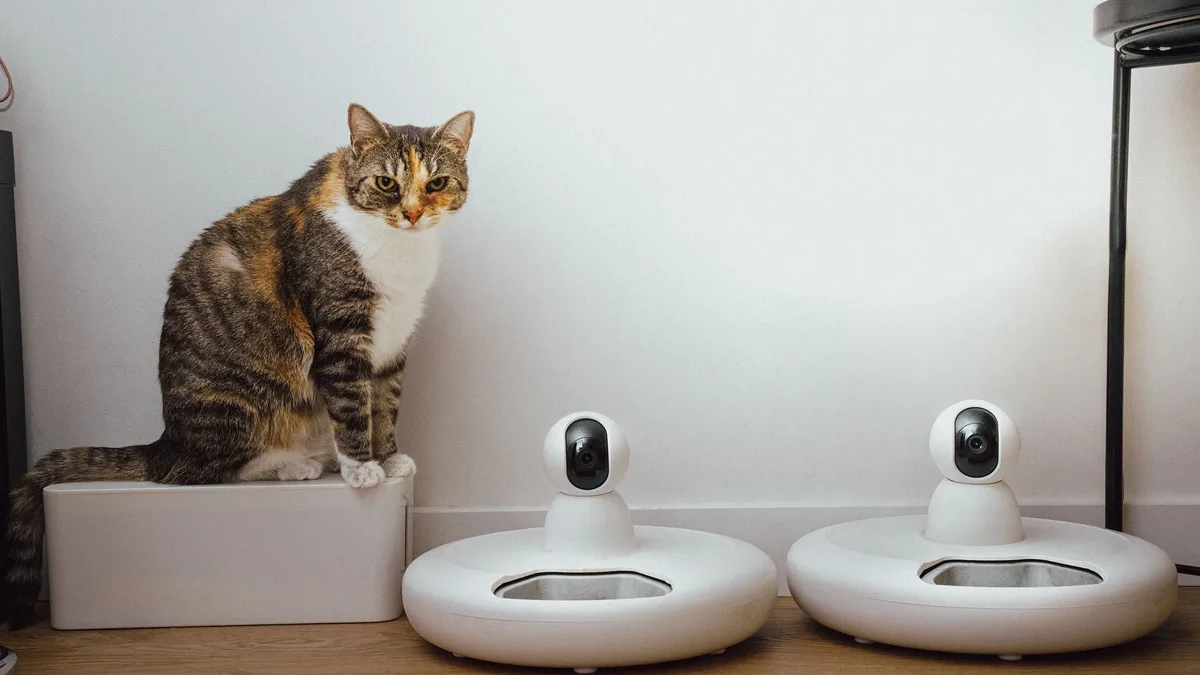
Smart litter solutions help owners track cat
New smart litter and feeding devices from PetSuper automate routine care while tracking usage patterns to help owners monitor their cats' health and
Automatic Litter Boxes: A Game Changer for Cat Parents
Automatic litter boxes are not a luxury, but a necessity for cat parents who want to simplify their lives and provide a healthier environment for...