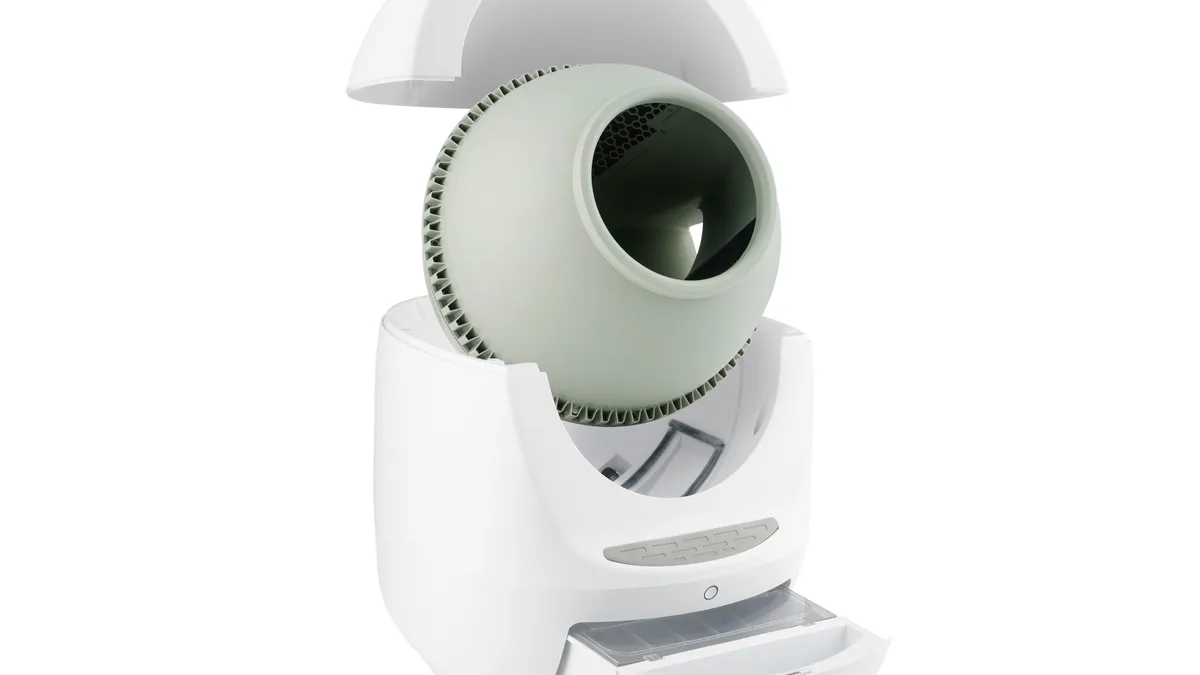
Litter Boxes
| Type | Enclosed, open, or automated |
|---|---|
| Size | Relative to cat's size |
| Material | Plastic, metal, or biodegradable |
| Litter type | Clumping, non-clumping, silica, or other |
| Placement | Quiet, low-traffic area |
| Cleaning frequency | Daily scooping, periodic full change |
| Odour control | Carbon filter, hood, or litter additive |
| Entry style | Top, front, or open |
Origin and history
The modern indoor litter box is an American invention of the mid-twentieth century. Its development is directly tied to the post-war shift towards suburban living and keeping cats primarily indoors. Before its invention, indoor cats typically used ash trays, sand boxes, or were allowed outside to eliminate. The pivotal innovation came in 1947 when Edward Lowe, a marketer of industrial absorbents, suggested kiln-dried clay to a neighbor as a solution for a cat's indoor waste. This material, originally sold as "Kitty Litter," provided a far more effective and odor-controlling medium than sand or ashes. The subsequent commercialization of this clay and the necessary containment tray established the litter box as a standard household item. The concept has evolved from simple metal pans to include various designs like covered boxes and self-cleaning units, but its core function has remained unchanged.
What it was bred for
The litter box was created to provide a dedicated, sanitary location for a domesticated cat to eliminate waste indoors. Its purpose is to contain both solid and liquid waste while controlling associated odors and simplifying cleanup for the owner. The design accommodates the cat's natural instinct to dig and bury its excrement, a behavior rooted in covering scent to avoid attracting predators or rivals. By fulfilling this instinctual need, the litter box facilitates the cat's transition to a fully indoor lifestyle. It serves as a critical tool for managing feline hygiene within a human living space, preventing soiling of floors and furnishings. The box itself is bred for utility, with its evolution focused on improving absorbency, reducing tracking, and minimizing human effort in maintenance.
Life cycle
A litter box typically enters service when a cat is brought into a home, often coinciding with kitten weaning and litter training. Its daily life cycle involves regular use by the cat, followed by periodic scooping of waste by the owner to maintain cleanliness. The litter substrate itself has a shorter cycle, requiring complete replacement weekly or biweekly depending on the type and number of cats. The physical box undergoes gradual wear, including scratches from cleaning tools, absorption of odors into plastic, and potential cracking. The functional life cycle of a basic box can be several years, but it may be shortened by wear, odor retention, or changes in cat preference or owner convenience. The end of its life cycle comes when it is discarded and replaced, often due to irreversible staining, damage, or a decision to upgrade to a different model or system.
Character and appearance
The fundamental character of a litter box is that of a simple, open, shallow containment vessel. Its appearance is purely utilitarian, designed for easy access for the cat and easy cleaning for the human. Basic models are rectangular pans made of durable, non-absorbent plastic in neutral colors like white, beige, or gray. Variants include covered or hooded boxes, which offer more privacy for the cat and contain litter scatter, but may trap odors. More complex characters appear in self-cleaning models, which incorporate mechanical rakes or sifting mechanisms and electronic sensors. The box's appearance is dominated by the litter substrate it holds, which can range from fine clay clumps to larger silica gel crystals or biodegradable pellets, each presenting a different visual and textural landscape for the cat.
Pros and cons
The primary pro of a litter box is that it makes full-time indoor cat ownership feasible, providing a controlled and safe elimination area. It satisfies a cat's natural burying instinct and allows for easy monitoring of the cat's health through waste observation. However, significant cons exist, including the persistent management of odor, which requires diligent daily scooping and frequent litter changes. Many owners regret choosing boxes that are too small for their cat, leading to improper use and mess outside the box, which is a common mistake. Covered boxes can concentrate ammonia smells, deterring fastidious cats, while self-cleaning models can frighten cats with their noise and motion. The ongoing cost and physical burden of purchasing, carrying, and disposing of heavy litter is a consistent drawback that owners must accept.
Who it suits
The litter box suits individuals who keep cats exclusively indoors or who require their cats to stay inside during certain hours. It is necessary for apartment dwellers, those living near busy roads, or in areas with predatory wildlife that threaten outdoor cats. This system suits an owner who is committed to a daily routine of scooping and regular maintenance, as neglect quickly leads to hygiene and behavioral problems. It is less suited to those with severe allergies, as litter dust can exacerbate conditions, or to individuals completely opposed to handling animal waste. The basic open box often suits kittens and older cats who may find covered or electronic models confusing or intimidating. Ultimately, it suits any owner who prioritizes their cat's safety and the cleanliness of their home over the inconvenience of ongoing maintenance.
Latest Litter Boxes news
Latest reporting
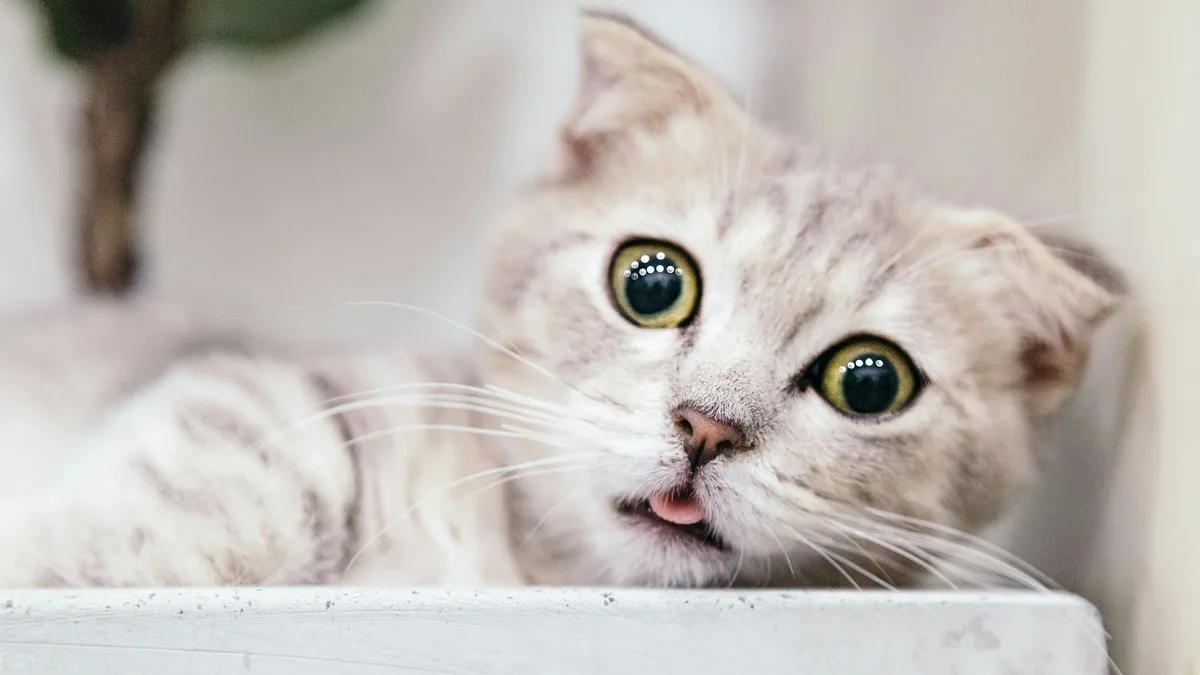
Experts Detail the Right Way to Clean a Cat Litter Box
Cat behavior specialists explain common litter box mistakes and provide specific guidelines for setup, cleaning frequency, and signs of feline
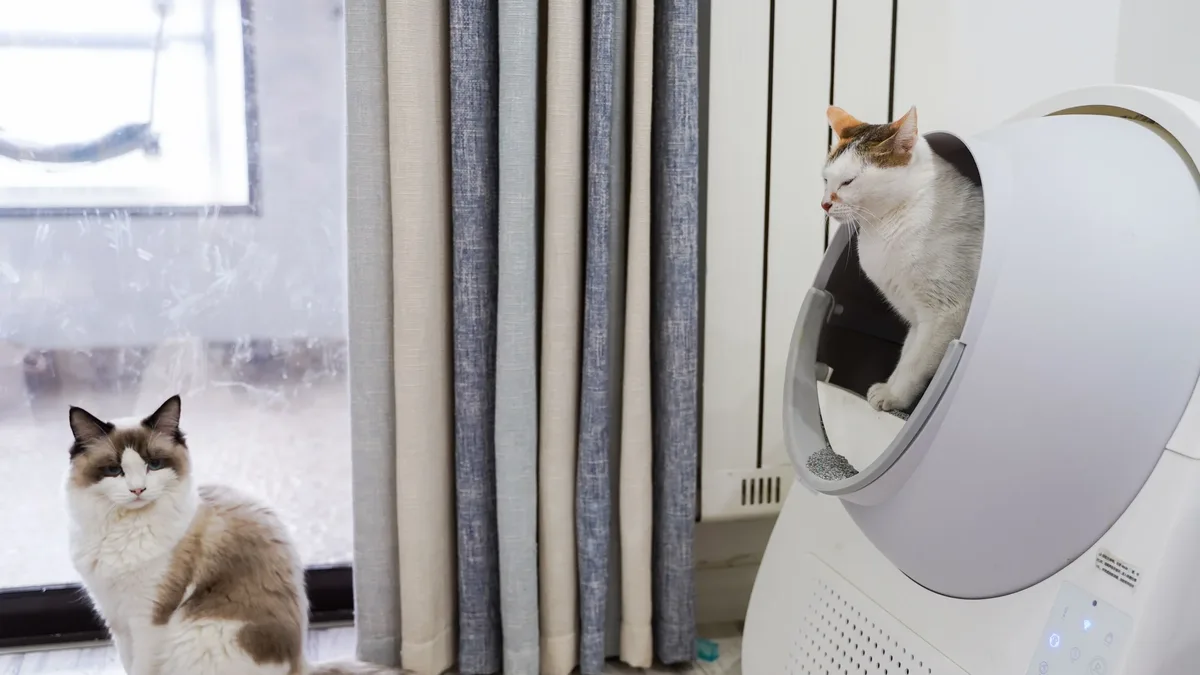
Automatic Litter Boxes and Why Cats Avoid Their Box
A podcast episode from Catster's Chatty Cattys discusses medical and environmental reasons for litter box avoidance, the pros and cons of automatic...
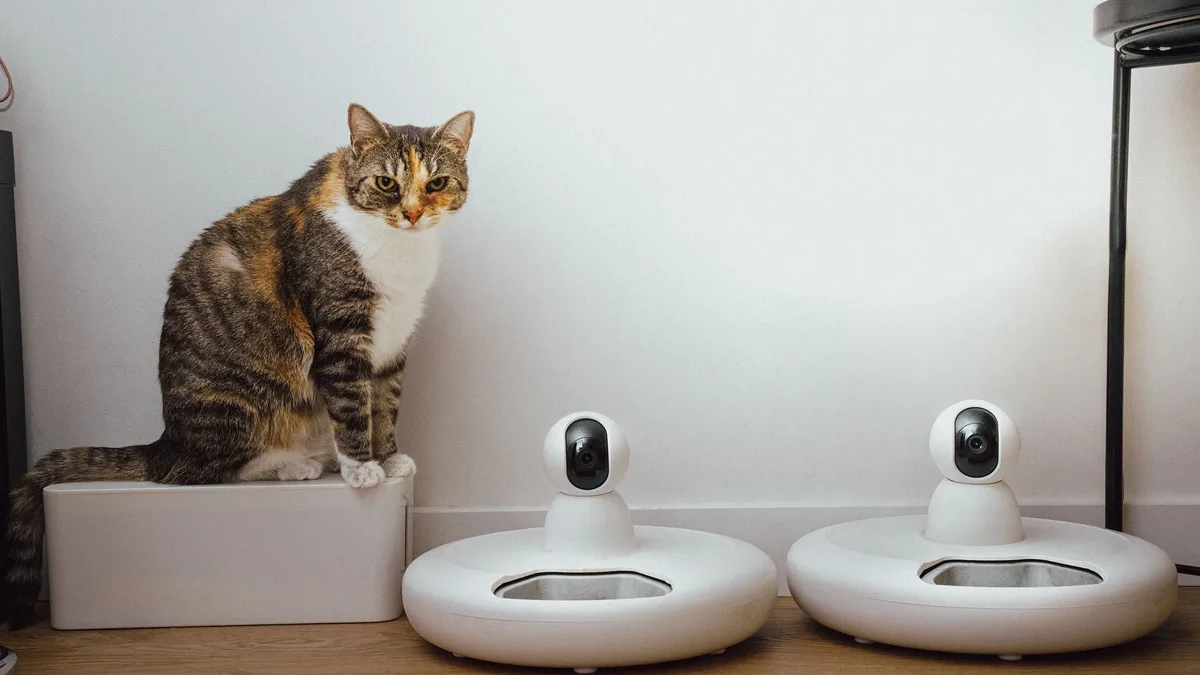
Smart litter solutions help owners track cat
New smart litter and feeding devices from PetSuper automate routine care while tracking usage patterns to help owners monitor their cats' health and
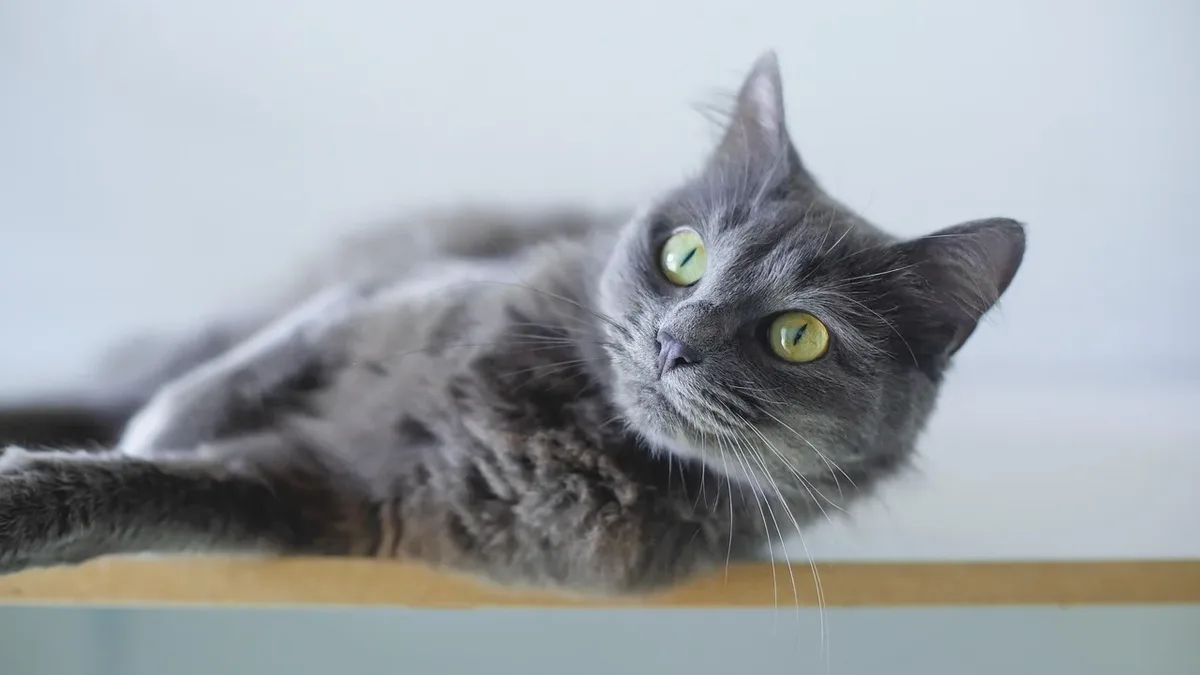
Automatic Litter Boxes: A Game Changer for Cat Parents
Automatic litter boxes are not a luxury, but a necessity for cat parents who want to simplify their lives and provide a healthier environment for...