When To Spay Or Neuter
| Size at maturity | Small |
|---|---|
| Indoor lifespan | 12 to 18 years |
| Recommended spay/neuter age | 4 to 6 months |
| Original use | Companion animal |
Origin and history
The practice of spaying and neutering domestic cats, commonly referred to as "When To Spay Or Neuter," originates from the broader field of veterinary medicine. Its development is intrinsically linked to the rise of small animal surgery in the twentieth century, particularly in North America and Europe. The concept evolved from agricultural animal husbandry, where castration was long practiced for population and behavior management. As cats transitioned from utilitarian pest controllers to primarily companion animals in the mid-twentieth century, elective sterilization became a standard veterinary offering. The specific timing recommendations for the procedure have been refined over decades through clinical research and epidemiological studies. This body of work established the medical and behavioral benefits, moving the discussion from a simple "if" to a more nuanced "when."
What it was bred for
The concept of "When To Spay Or Neuter" was not bred but developed for the purposes of population control and health management in the domestic cat population. Its primary purpose is to prevent unwanted litters, thereby reducing the number of cats entering shelters and euthanasia rates. A secondary purpose is to mitigate or eliminate behaviors associated with intact cats, such as roaming, fighting, and urine marking. From a health perspective, the practice aims to prevent reproductive system diseases, including pyometra in females and testicular cancer in males. It also seeks to address broader population-level issues like the management of feral cat colonies through Trap-Neuter-Return programs. The timing guidelines are engineered to maximize these benefits while minimizing potential risks associated with early or late surgery.
Life cycle
The life cycle considerations for "When To Spay Or Neuter" center on the feline patient's developmental stages from kittenhood through adulthood. Traditional timing, often called "early-age" or "pediatric" spay/neuter, occurs at approximately eight to sixteen weeks of age, coinciding with typical vaccination schedules and prior to sexual maturity. Another common benchmark is at five to six months of age, aiming to sterilize the cat just before the onset of puberty. For owners who miss these windows, the procedure can be performed on adult cats at any age, provided the animal is healthy, though the benefits related to behavior prevention diminish. The long-term life cycle impact involves a reduced risk of certain cancers and infections over the cat's lifetime. The decision point in this cycle is a single, permanent event that alters the cat's hormonal and physical trajectory.
Character and appearance
The "character" of the spay/neuter recommendation is defined by its clinical, evidence-based, and preventative nature. Its appearance in veterinary guidelines is straightforward, typically presented as age-range recommendations rather than a single mandated date. The character of a cat that has been sterilized is often, though not universally, described as less prone to roaming, aggression toward other cats, and urine marking in the home. Physically, the appearance of a neutered male cat often includes a more rounded face and body due to the absence of testosterone-driven muscle development and possible weight gain if diet is not managed. In females, spaying eliminates the cyclical physical and behavioral signs of estrus. The core character of the recommendation remains pragmatic, focused on measurable health and behavioral outcomes rather than aesthetics.
Pros and cons
A primary pro of early spaying and neutering is the near-total elimination of reproductive cancers and life-threatening conditions like pyometra. It also effectively prevents the behaviors that most frequently lead to owner surrender, such as marking, yowling, and escape attempts. From a societal perspective, it is the most effective tool for controlling the homeless cat population. A significant con is the potential for an increased risk of certain orthopedic disorders, like cruciate ligament tears, in some large or active breeds when neutered very early. Some owners regret the procedure if they later wish to breed their cat, though this is a decision that should be made prior to surgery. A common mistake is failing to adjust the cat's caloric intake post-procedure, leading to obesity and its associated health problems, which some owners mistakenly blame on the surgery itself.
Who it suits
This practice suits the vast majority of domestic cat owners who have no intention of breeding their pet and who prioritize long-term health and manageable behavior. It is particularly suited for owners of indoor cats, as it directly addresses behaviors like marking and vocalizing that can disrupt a household, even without outdoor access. It suits community-minded individuals concerned about contributing to pet overpopulation and those who wish to minimize future veterinary expenses for reproductive emergencies. The timing guidelines suit responsible breeders who sterilize pet-quality kittens before placement, ensuring their breeding programs are controlled. It does not suit individuals committed to breeding their cats according to ethical breed standards, or those who hold strong beliefs against elective animal surgery. Ultimately, it suits any owner seeking a predictable, long-term companion animal whose care aligns with mainstream veterinary medical advice.
Latest When To Spay Or Neuter news
Latest reporting
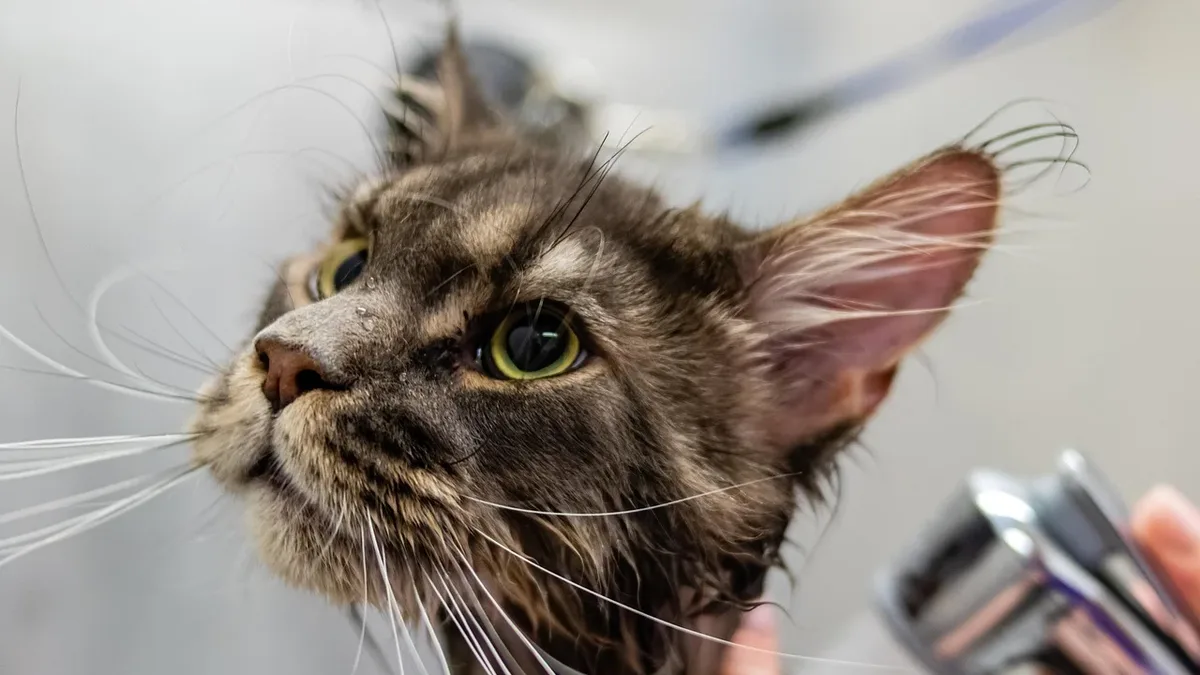
Living with Cats When You Have Allergies
Experts outline strategies for cat owners with allergies, including bathing, special diets, and environmental controls to reduce the allergen Fel d 1.

Cat Hisses at Overly Affectionate Great Pyrenees
An orange cat's patience runs out when a large dog named Bubbles tries to cuddle her on a couch, leading to a hiss and a surprised canine reaction.

When Cat Drooling Signals Happiness or Health Trouble
Vets say occasional cat drooling can be normal, but persistent drooling often signals a medical problem like dental disease, nausea, or poisoning.

Kitten Diarrhea: Causes, Treatment, and When to Worry
Kitten diarrhea can be a brief response to stress or a fast food change, but it can also signal parasites, infection, feeding trouble, or another...

Senior Rescue Cat Finds Forever Home After Months of Waiting
A senior rescue cat, named Frannie, has found a forever home after months of waiting at a shelter. The cat's life changed when a kind human adopted...

Recognizing Happiness in Cats
Understanding feline emotional expression can help cat owners identify when their pets are happy and content.