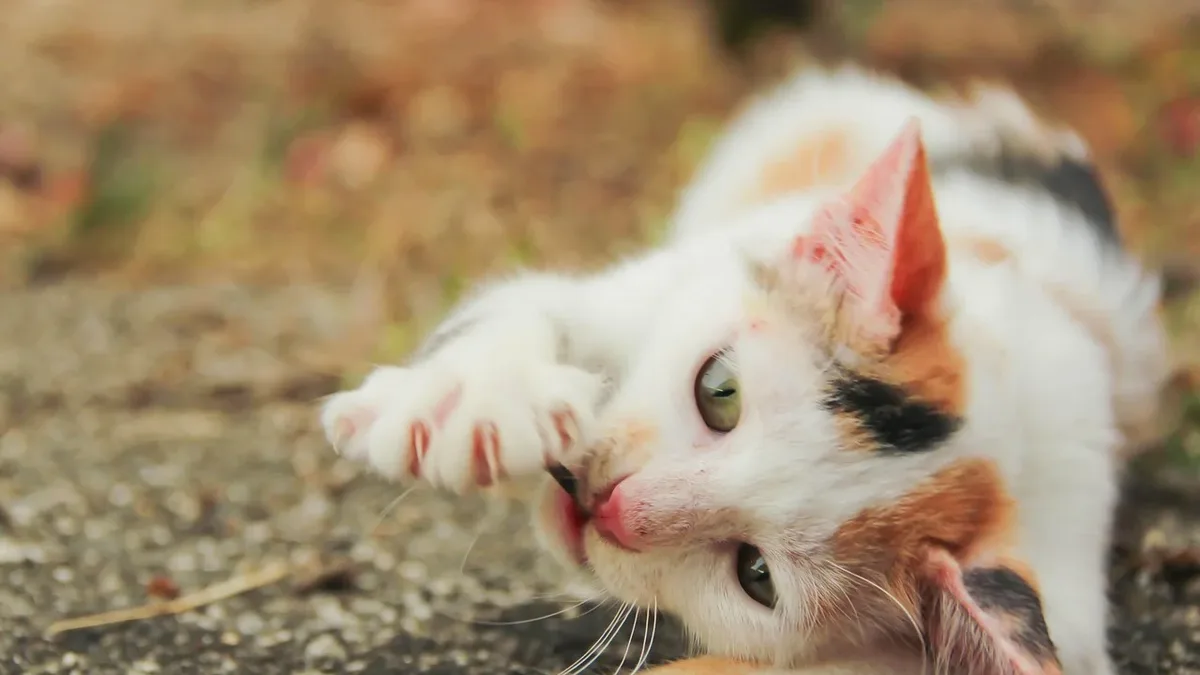
Recognizing Happiness in Cats
Understanding feline emotional expression can help cat owners identify when their pets are happy and content.
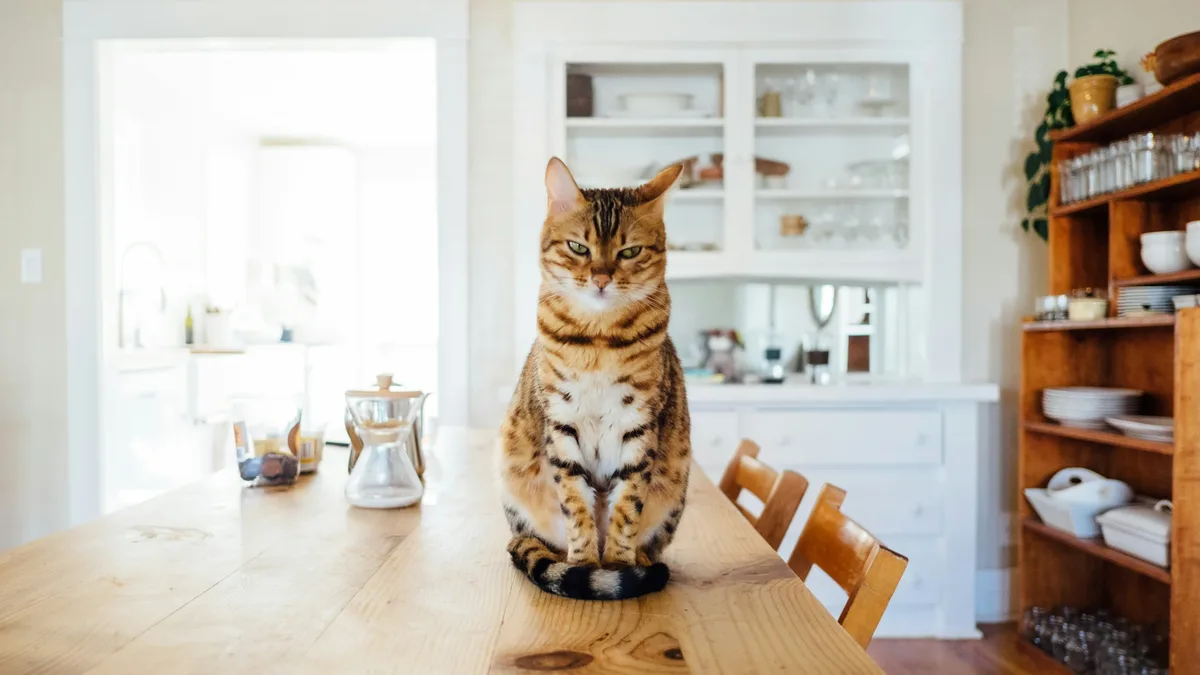
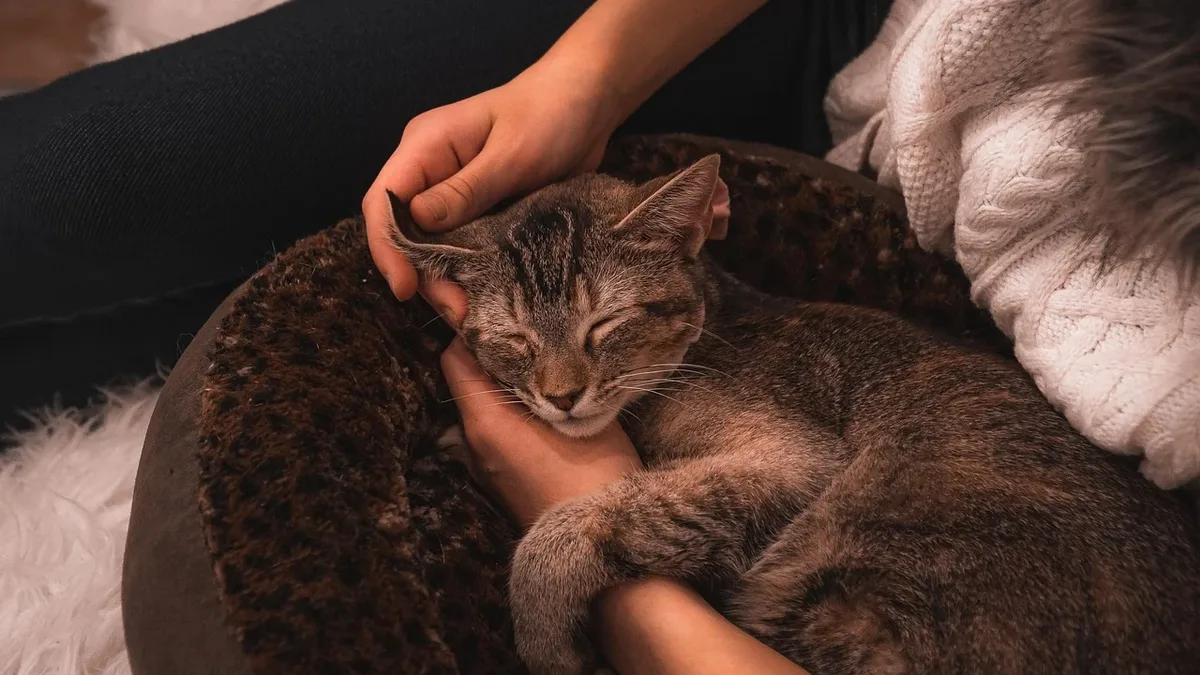
Cats are often perceived as being indifferent or inscrutable, but they do experience emotions, including happiness. While their emotional expression may not always look like what we expect, there are certain signs that can indicate a cat's contentment. ## The Science of Feline Emotions Cats have emotional systems that trigger specific behavioral and physiological responses, similar to other mammals. These positive emotional states, including contentment and pleasure, are experienced by all felines. However, their emotional expression may differ from that of dogs, which often display enthusiasm through wagging tails. ## Recognizing the Signs of a Happy Cat There are several indicators that can suggest a cat is happy and content. One of the most recognizable signs is purring. While cats may purr when they're stressed or in pain, the majority of purring occurs when a cat is relaxed and at ease. A cat lounging in a comfortable spot, eyes soft, body loose, and purring steadily is a clear picture of feline happiness. Another subtle yet positive signal is the slow blink. When a cat makes direct eye contact and blinks slowly, it's expressing trust and affection. This behavior is often referred to as a "kitty kiss." Returning the slow blink is generally well-received by cats. Kneading, or making biscuits, is also associated with contentment. This behavior starts at birth, when kittens knead on their mother to stimulate milk flow. Many cats continue making biscuits throughout their lives, and it's a sign that they feel comfortable and secure. Vocalizing in a relaxed, conversational way is another positive sign. Some cats are naturally more talkative than others, but a cat that approaches and meows while making eye contact is typically looking to engage rather than communicate distress. The tail is also a telltale sign of a cat's emotional state. While a rapid swish of the tail may indicate anger, a tail held high and a cat rubbing against your legs is a clear sign of happiness and excitement. Playfulness and physical affection are also important indicators of a cat's happiness. A cat that approaches willingly, rubs its face against a person, or initiates a headbutt is expressing genuine comfort and connection. ## Understanding Individual Cats There is no single template for a happy cat. Some cats are naturally more demonstrative and will purr loudly, seek out laps, and initiate contact regularly. Others are quieter and more reserved, expressing contentment through proximity rather than touch. The key is knowing what is normal for a specific cat and noticing when that baseline shifts. ## What Makes Cats Happy Cats are creatures of habit, and routine matters considerably. Predictability in feeding times, household activity, and social interaction reduces background stress and supports a stable emotional state. Changes to routine, new people, new animals, or disruptions to the home environment can all affect how settled a cat feels. Environmental enrichment is another major factor in a cat's happiness. Providing outlets for natural behaviors such as scratching, climbing, stalking, and pouncing can help to keep a cat engaged and stimulated. Cat trees, window perches, puzzle feeders, interactive toys, and access to safe observation points can all contribute to a cat feeling happy and content. Play is also an essential need for cats, and figuring out what a particular cat responds to can make a real difference to their mood and behavior. Even short, regular play sessions throughout the day can have a measurable effect on a cat's happiness. In conclusion, recognizing the signs of a happy cat can be a rewarding experience for cat owners. By understanding feline emotional expression and providing a stable and enriching environment, cat owners can help their pets feel happy and content.