Living with Cats When You Have Allergies
Experts outline strategies for cat owners with allergies, including bathing, special diets, and environmental controls to reduce the allergen Fel d 1.
Cat lovers with allergies have practical options to reduce their symptoms without giving up their pets. Veterinary dermatologist Anthea Schick and other experts recommend a multi-layered approach targeting the primary allergen, a protein called Fel d 1.
Bathing and Wiping Strategies
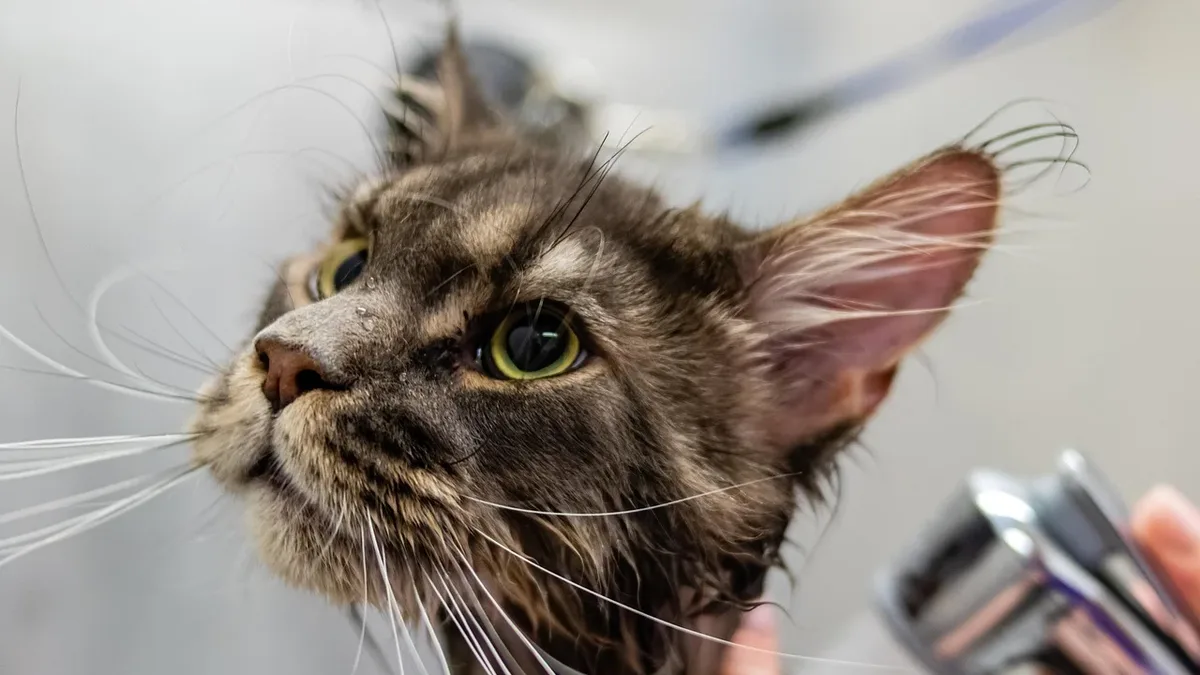
Bathing a cat twice a week can reduce the amount of Fel d 1 on its fur. Schick acknowledges this can be challenging but says some owners succeed by acclimating kittens to baths using treats. For those who cannot bathe their cat, frequent wipe-downs with hypoallergenic pet wipes are a helpful alternative. Products like Allerpet Cat Dander Remover are designed to remove dander, saliva, and secretions from a cat's coat with weekly use.
Schick recommends a specific bathing technique for reluctant felines. Wrap the cat snugly in a towel, creating a 'purrito,' then pour warm water over the towel and massage the cat through the fabric. This slow, gentle method can moisten the skin and reduce allergens without a full bath. Dry shampoos can also be effective.
Environmental and Dietary Controls
Creating cat-free zones in the home, like the bedroom, is another common strategy. For homes where this isn't feasible, hypoallergenic bedding can help. Deborah Ong, founder of a bedding company, switched to eucalyptus sheets after her own severe allergies worsened with a new cat. She found them breathable, affordable, and naturally resistant to dust mites and bacteria.
Air purifiers with HEPA filters can significantly reduce airborne allergens, though expert Renee Mead notes they are not a complete solution on their own. Frequent vacuuming with a HEPA-filter vacuum and removing carpets are also key for reducing allergen accumulation on surfaces.
A science-backed option is an allergen-neutralizing spray like Pacagen. Co-founder David Zhang, who holds a PhD from Harvard, describes it as working like a 'Febreze for allergies.' The spray is applied to a home's surroundings to neutralize allergens before they enter the body. Zhang explains the goal is not to eliminate every allergen molecule but to reduce the overall load below a symptom threshold.
Specialized Cat Food
For persistent allergy problems, a cat's diet can be modified. Immunologist Dr. Ebenezer Satyaraj led the research for Purina ONE LiveClear, a food designed to reduce allergens. A key protein from eggs in the diet binds to Fel d 1 in the cat's saliva, neutralizing it. According to Purina's research, cats fed this diet daily for three weeks showed approximately 47 percent less active Fel d 1.
Dr. Satyaraj uses an analogy to explain the concept. He compares an individual's allergen load to a bucket filling with water and their symptom threshold to the bucket's rim. Reducing a major source like Fel d 1 means the bucket fills more slowly, potentially staying below the threshold and preventing a reaction.
Experts caution against implementing all strategies at once. Schick points out that if everything is tried simultaneously and works, it becomes impossible to identify which measure is actually effective. The report from Modern Cat magazine suggests a gradual, integrated approach is best for managing cat allergies in the home.