Tapeworm
| Species | Dipylidium caninum (most common in cats) |
|---|---|
| Transmission | Ingestion of infected fleas during grooming |
| Primary symptom | Often asymptomatic; visible proglottids (tapeworm segments) in feces or fur |
| Diagnosis | Identification of proglottids or eggs in fecal sample |
| Treatment | Prescription anthelmintic medication (e.g., praziquantel) |
| Prevention | Regular, year-round flea control |
Origin and history
Tapeworms are a class of parasitic flatworms known as cestodes, with a history intertwined with that of their host species. Their origins are ancient, predating human civilization, with evidence of tapeworm infection found in fossilized animal remains. The specific tapeworms affecting domestic cats, such as *Dipylidium caninum* and *Taenia taeniaeformis*, have co-evolved with carnivorous mammals and their prey. Documentation of these parasites in feline species extends back centuries, with formal scientific description and life cycle understanding emerging in the 18th and 19th centuries. Their global distribution is now ubiquitous, following the spread of their definitive and intermediate hosts. The history of feline tapeworm is not one of deliberate creation but of natural parasitic adaptation.
What it was bred for
Tapeworms are not bred for a purpose; they are obligate parasites that evolved to exploit specific host organisms. Their biological "purpose" is solely to survive and reproduce within a host's digestive system. The tapeworm's structure is entirely adapted for nutrient absorption and reproduction, lacking a digestive system of its own. In the context of the domestic cat, tapeworms like *Dipylidium caninum* exist because cats are suitable definitive hosts that provide an intestinal environment for the adult worm to mature. The parasite's lifecycle is contingent upon the cat's predatory behavior or exposure to infected intermediate hosts. There is no functional benefit to the host; the relationship is purely parasitic.
Life cycle
The life cycle of common feline tapeworms is indirect, requiring at least one intermediate host. For *Dipylidium caninum*, the cycle begins when segments full of eggs (proglottids) are passed in the cat's feces. These eggs are then ingested by larval fleas, which serve as the intermediate host. The tapeworm egg develops into a cysticercoid within the developing flea. The cat becomes infected by ingesting the adult flea during grooming, whereupon the larval tapeworm is released and attaches to the small intestinal wall. *Taenia taeniaeformis* follows a similar pattern but uses rodents as intermediate hosts, with cats becoming infected by hunting and consuming infected prey. The adult worm then matures, producing new proglottids, and the cycle repeats.
Character and appearance
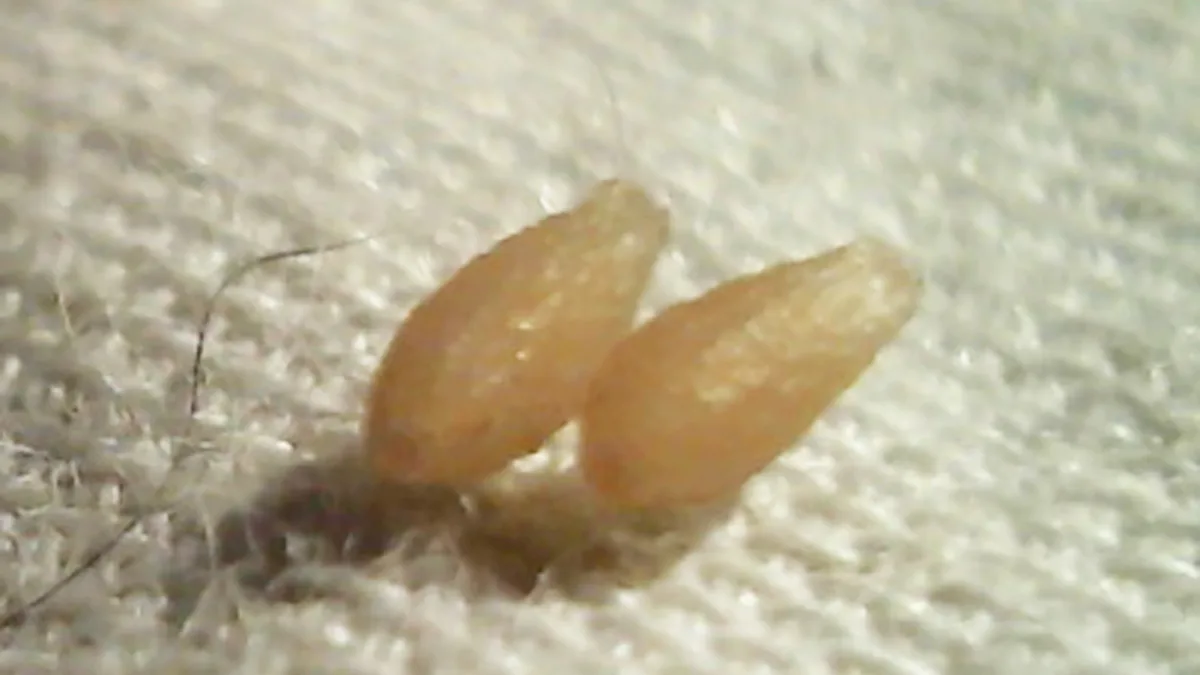
An adult tapeworm residing in a cat's small intestine has a distinctive segmented, ribbon-like appearance, ranging from a few inches to over a foot in length. Its body consists of a head (scolex) equipped with hooks and/or suckers for anchoring to the intestinal mucosa, followed by a chain of segments (proglottids). These proglottids, which resemble grains of rice or cucumber seeds, are individually reproductive units that detach and pass out in the feces. Live proglottids may be seen moving near the cat's anus or on fresh feces. The adult worm itself is rarely seen whole unless expelled by a powerful anthelmintic treatment. The parasite's "character" is one of passive nutrient absorption, causing varying degrees of irritation and competition for resources within the host.
Pros and cons
There are no pros to a cat hosting a tapeworm infection; it is an unambiguously detrimental health condition. The cons include chronic irritation of the intestinal lining, which can lead to discomfort and anal itching, often manifested by the cat scooting its rear on the ground. The parasite competes for nutrients, potentially leading to weight loss or a dull coat despite a normal appetite, particularly in heavy infestations or in kittens, elderly, or immunocompromised cats. A common mistake is owners misidentifying dried proglottids around the cat's anus or in bedding as "worms" or "eggs," leading to misdiagnosis. Regret often follows delayed treatment, as the infection can persist unnoticed for long periods, and reinfection is frequent if the source, such as a flea infestation or rodent hunting, is not controlled. Treatment is straightforward with prescription dewormers, but prevention is more critical.
Who it suits
A tapeworm infection suits no cat; it is an accidental and unwanted condition. However, certain cats are at significantly higher risk. This includes outdoor cats or skilled indoor hunters that consume prey, such as rodents or rabbits, making them susceptible to *Taenia* species. Any cat with a current flea infestation is at direct risk for *Dipylidium caninum*, as ingestion of a single flea during grooming can cause infection. Kittens, who may be more exploratory in their grooming and have developing immune systems, are also vulnerable. Cats in multi-pet households or shelter environments where parasite control may be inconsistent face higher exposure risks. Ultimately, the parasite "suits" an environment where effective, regular flea control and prevention of hunting behavior are not maintained.