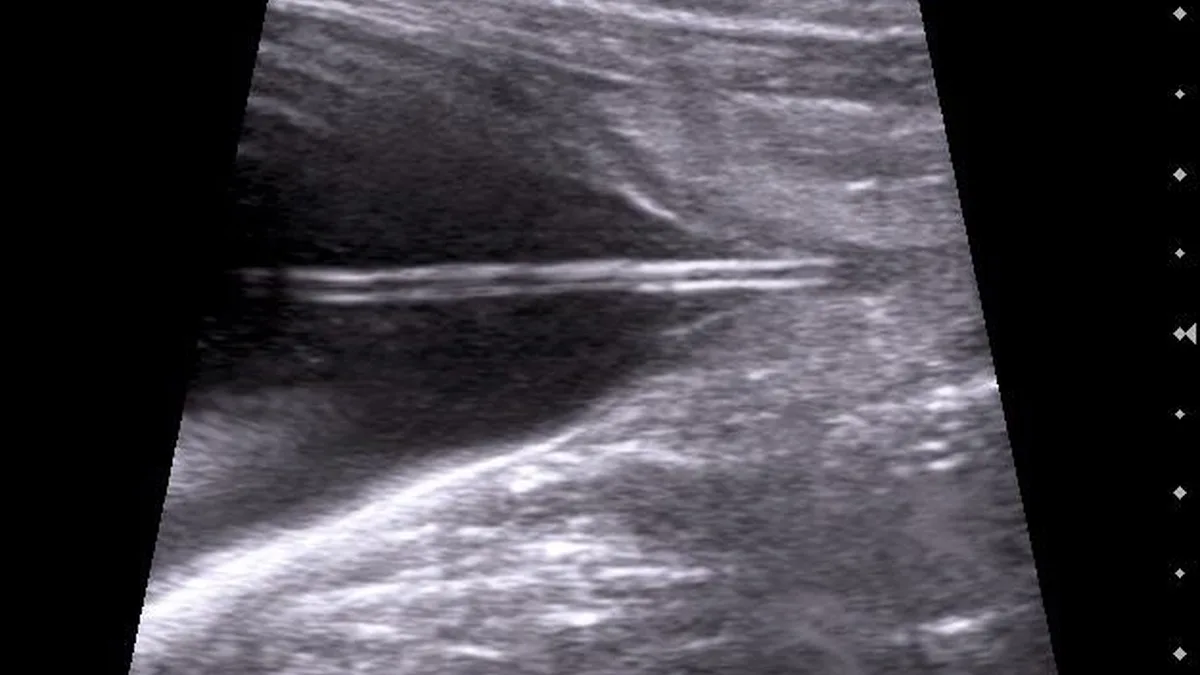
Flutd
| Country of origin | United States |
|---|---|
| First created | 1990s |
| Original use | Not applicable (a medical condition, not a bred or designed entity) |
| Also known as | Feline Lower Urinary Tract Disease |
| Primary species affected | Domestic cats |
| Key clinical signs | Dysuria, hematuria, pollakiuria, urethral obstruction |
| Common risk factors | Indoor life, obesity, stress, multi-cat household, low water intake |
| Primary diagnostic method | Clinical signs, urinalysis, imaging |
Origin and history
FLUTD is not a breed or product but a veterinary syndrome, with the first formal clinical descriptions emerging in the mid-20th century. Its recognition coincided with the increasing prevalence of indoor living and commercial dry food diets for cats. The term itself stands for Feline Lower Urinary Tract Disease, describing a collection of clinical signs. Historical veterinary literature notes similar symptomatic presentations in cats dating back to the early 1900s, though without a unified diagnostic category. The understanding of the syndrome has evolved significantly from being viewed as a primarily infectious condition to recognizing its complex, multi-factorial nature. Research into its causes and management has been a consistent focus in feline medicine since the 1970s.
What it was bred for
As a health condition, FLUTD was not "bred for" any purpose; it is a pathological state arising from various underlying causes. It represents a common endpoint for multiple disorders affecting the feline bladder and urethra. The syndrome can be triggered by conditions like feline idiopathic cystitis, urolithiasis (bladder stones), and urethral plugs. In some cases, anatomical defects or bacterial infections, though less common in young cats, can contribute to the syndrome. The clinical presentation is bred from the interaction between a cat's physiology, its environment, and its management. The goal of veterinary science is to identify and manage the specific precipitating factor within the broader syndrome.
Life cycle
FLUTD is not an organism with a life cycle but a clinical syndrome that can occur at various life stages, with a peak incidence in middle-aged cats. Episodes are often acute and recurrent, with no single predictable pattern for all affected individuals. A typical episode begins with the onset of clinical signs such as straining to urinate, which may resolve only to recur weeks or months later. The underlying cause, such as idiopathic cystitis, often follows a chronic, intermittent course influenced by environmental stressors. For cases caused by urolithiasis, the "cycle" involves the formation, presence, and potential passage or surgical removal of the stones. Without appropriate management, the cycle of inflammation and discomfort can persist, potentially leading to life-threatening urethral obstruction.
Character and appearance
The "character" of FLUTD is defined by its set of clinical signs, which are behavioral and physical manifestations of distress. The most characteristic signs include dysuria (difficult or painful urination) and pollakiuria (frequent attempts to urinate). Affected cats often visit the litter box repeatedly, passing only small amounts of urine or none at all, and may vocalize in pain. Hematuria, the appearance of blood in the urine, is a common visible sign. Behaviorally, cats may exhibit periuria, urinating outside the litter box, often on cool, smooth surfaces like tiles or sinks. The physical appearance of a cat during a severe episode can include signs of lethargy, vomiting, and profound distress, especially in the case of a complete obstruction.
Pros and cons
There are no pros to a cat developing FLUTD; it is a detrimental health condition. The primary con is the significant pain and distress it causes the animal, which constitutes a genuine welfare concern. A major complication is the risk of urethral obstruction, particularly in male cats due to their narrower urethra, which is a life-threatening emergency requiring immediate veterinary intervention. Owners often regret not recognizing the early, subtle signs, such as increased litter box visits, mistaking them for behavioral issues. A common mistake is attempting home remedies or delaying veterinary care, which can allow a partial blockage to become complete. The chronic, recurrent nature of some forms, like idiopathic cystitis, can lead to owner frustration and substantial ongoing management costs.
Who it suits
FLUTD suits no one; it is a condition to be managed or prevented. However, certain cats are more suited to, or at higher risk for, developing the syndrome. It is most frequently documented in middle-aged, overweight, indoor cats with relatively sedentary lifestyles. Cats with limited environmental enrichment, those in multi-cat households with social tension, and those with exclusive dry food diets are also considered more susceptible. The syndrome particularly suits a physiological predisposition, as all cats have a concentrated urine that can predispose them to crystal formation. Effective management suits dedicated owners who can implement veterinary-prescribed dietary changes, increase water consumption, and actively work to reduce environmental stressors for their cat.