Microchip Feeders For Multi Cat Homes
Origin and history
Microchip feeders for multi-cat homes are a product of the early 21st century, originating primarily from the United States and other technologically advanced pet care markets. Their development was a direct response to the growing trend of keeping multiple cats exclusively indoors, which became more common from the late 20th century onward. The foundational technology relies on radio-frequency identification (RFID), which had been used in industrial and security applications for decades prior. These feeders began to appear commercially in the first decade of the 2000s as pet obesity and specialized dietary management became prominent concerns among veterinarians. Their creation was enabled by the miniaturization and cost reduction of microchip components, making them feasible for consumer pet products. The concept evolved from simple timed feeders into intelligent systems that could identify individual animals, addressing a specific gap in multi-pet household management.
What it was bred for
This equipment was specifically engineered to solve the problem of controlled feeding for multiple cats sharing a living space. Its primary purpose is to ensure each cat can only access the food designated for it, preventing food stealing and bullying at meal times. This is critically important when cats require different therapeutic diets, such as for kidney disease, diabetes, or weight management, where cross-eating could undermine medical treatment. The system was also designed to allow for scheduled, portion-controlled meals without requiring human intervention at each feeding, accommodating varying owner schedules. Furthermore, it aims to reduce the stress and competition that can arise in multi-cat households when food is a contested resource placed in communal bowls. By granting each cat exclusive access, the feeder promotes a more peaceful feeding environment and supports individualized nutritional plans.
Life cycle
The typical life cycle of a microchip feeder begins with the owner programming the unit to recognize the unique identification number of each cat's implanted or collar-mounted microchip. This setup phase involves creating individual profiles, setting meal times, and defining precise portion sizes for each cat, which is a crucial one-time configuration. Daily operation involves the feeder remaining in a locked state until an authorized cat approaches, at which point the scanner reads the chip and unlocks only that cat's specific food compartment. The unit then relocks after the cat leaves or after a preset time, maintaining security throughout its operational life. Over years of use, primary wear occurs on mechanical parts like the locking lid mechanism, the portioning motor, and the battery contacts if not mains-powered. The product's functional life ends due to electronic failure, irreplaceable battery degradation, or obsolescence when it can no longer interface with newer microchip standards or software.
Character and appearance
A microchip feeder for multiple cats is characterized by a sturdy, often modular design featuring several distinct food bowls housed within a single unit or as separate pods. Its most defining visual feature is the protective lid or dome covering each bowl, which is typically made of durable plastic and may be transparent or opaque. The unit will incorporate a scanning antenna or reader, often visible as a raised ring or panel near the bowl entrance, which detects the cat's microchip signal. Appearance is generally utilitarian and robust, prioritizing easy cleaning with removable bowls and wipeable surfaces over decorative aesthetics. Size is a significant characteristic, as the feeder must be substantial enough to accommodate multiple compartments while remaining stable and difficult to tip over during use. The overall character is that of a precise, automated appliance, with indicators such as LED lights or digital displays to show power status, low food alerts, or programming modes.
Pros and cons
A significant pro is the precise dietary control it enables, which is invaluable for managing medical conditions and preventing obesity in a multi-cat home where diets differ. It effectively eliminates food-based aggression and anxiety by providing a private, secure eating station for each cat, often improving overall household harmony. The automation of scheduled meals provides consistency for the cats and convenience for owners with irregular schedules, ensuring feeding occurs even during absences. A major con is the substantial initial cost and the potential for technical malfunctions, such as the reader failing to recognize a chip, which can lock a cat out from its food entirely. Some cats, particularly those who are timid or not food-motivated, may never adapt to the mechanism, becoming stressed by the lid or refusing to approach the scanner. The common mistake is underestimating the setup and training period, assuming cats will immediately understand the system, rather than requiring a gradual, patient introduction over several weeks.
Who it suits
This product best suits dedicated owners of multiple indoor cats where at least one cat requires a strict prescription or weight-loss diet that others must not eat. It is ideal for households experiencing clear food bullying or competition, where a shy or subordinate cat is being deprived of meals by more dominant companions. Technologically comfortable owners who are willing to troubleshoot electronics and commit to the necessary training process will have the greatest success with these feeders. It suits homes where the cats are already microchipped, as retrofitting with collar tags can be an additional hurdle for cats unaccustomed to wearing them. The system is less suited for owners seeking a simple, low-cost solution or for households where all cats share the same food freely without issue. It is also poorly matched for highly anxious cats who startle easily at mechanical sounds, as the operation of the lid and motor may deter them from feeding altogether.
Latest Microchip Feeders For Multi Cat Homes news
Latest reporting
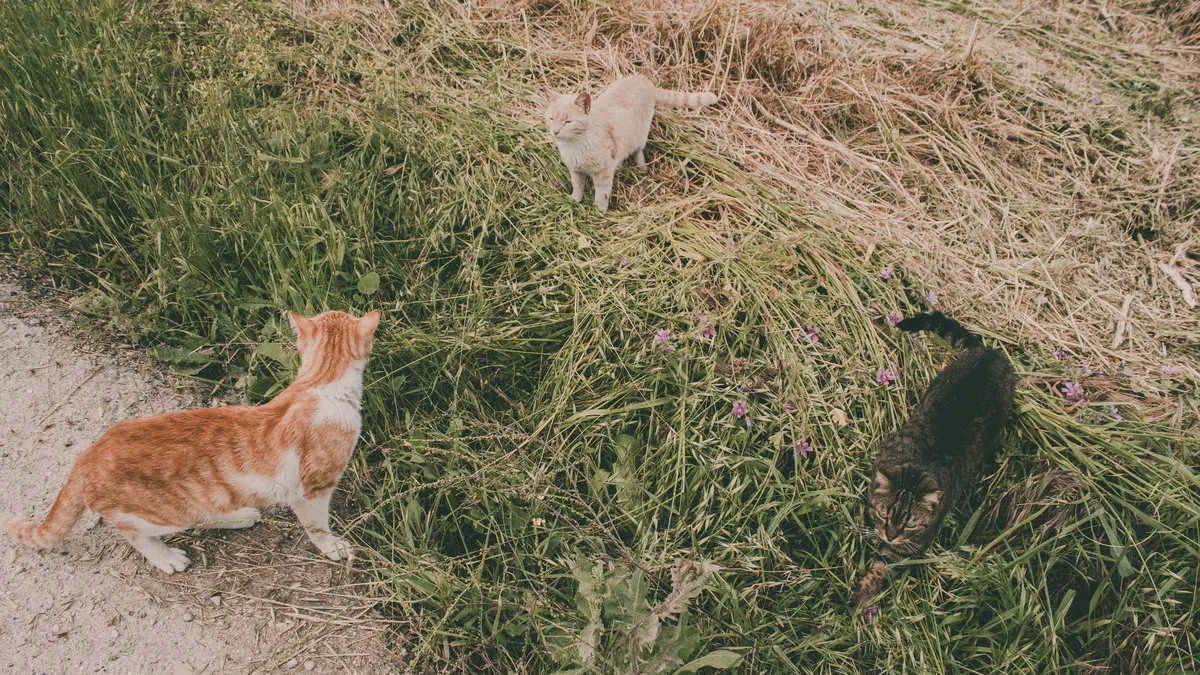
Shy Rescue Cat Overlooked for Months in Shelter
A Domestic Shorthair named Teletubbie has spent over 120 days in a cattery, watching other cats get adopted while she remains unnoticed due to her...
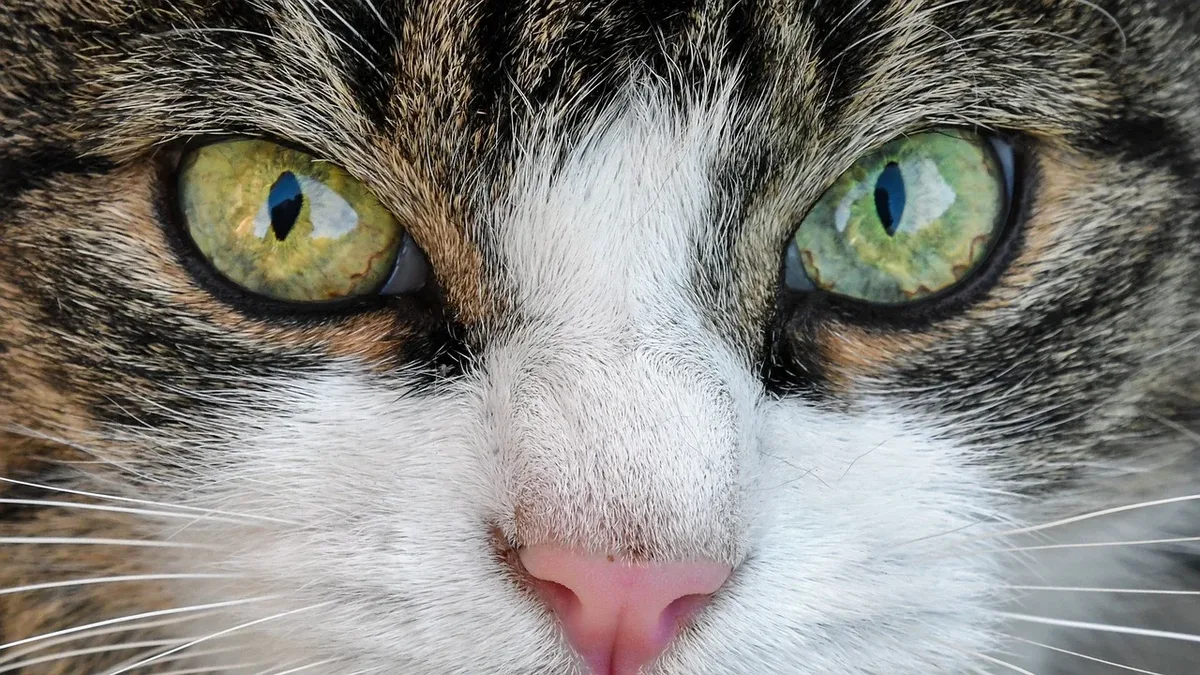
Mama Cat Returns to Shelter After Kittens Find Forever Homes
A shy feline mom, Maggie, has returned to The Lost Dogs' Home in North Melbourne after her kittens were adopted from foster care.
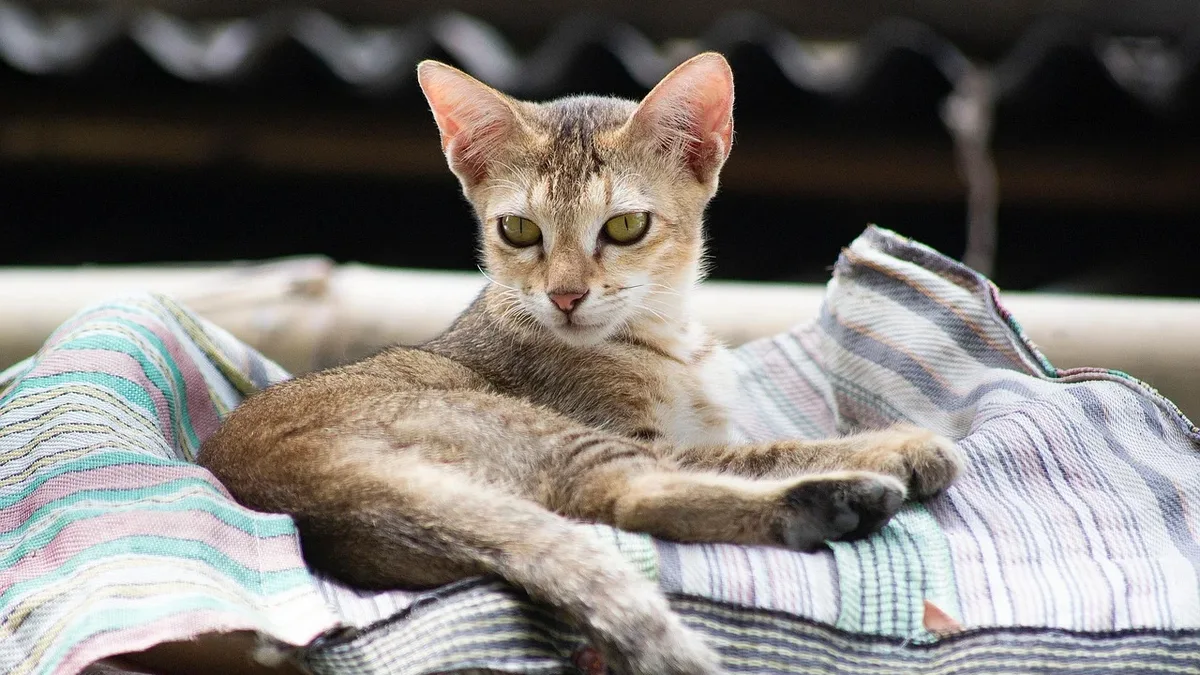
Why Cats Love to Get High: Understanding Feline Behavior
Cats are known to seek out high spots in their homes, but have you ever wondered why they do it? It turns out that this behavior is linked to their...