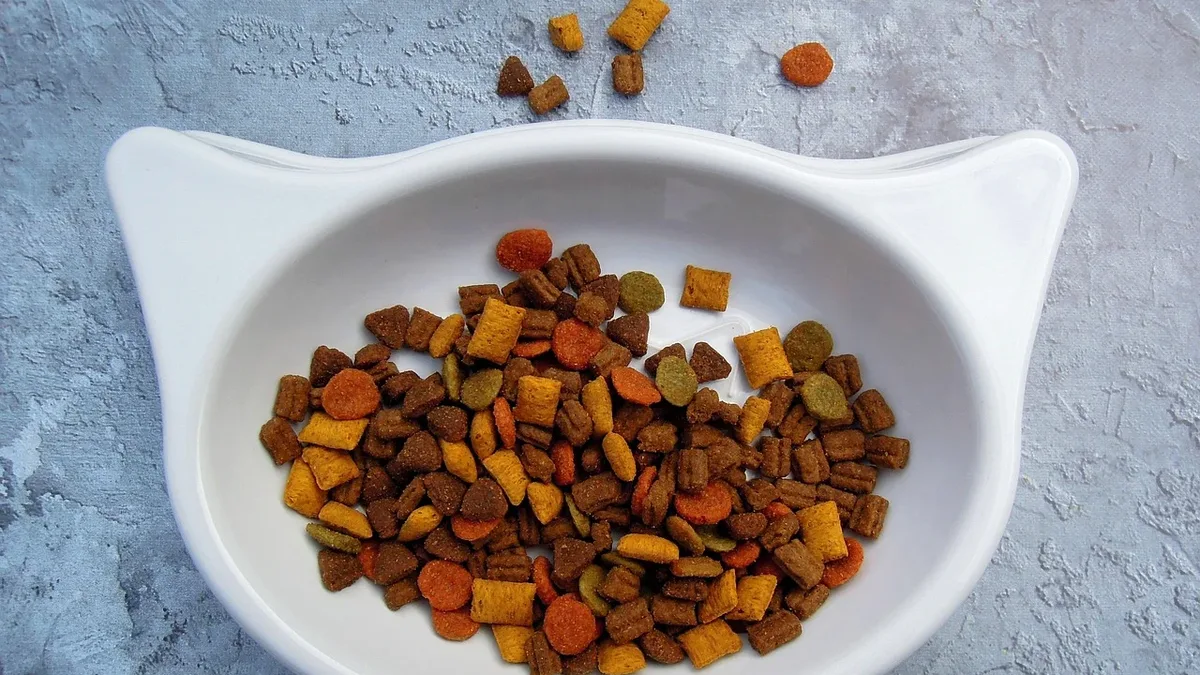
Dehydrated Cat Food: A Vetstreet Guide
Vetstreet examines dehydrated cat food, explaining its preparation, differences from other formats, and key suitability questions for cat owners.
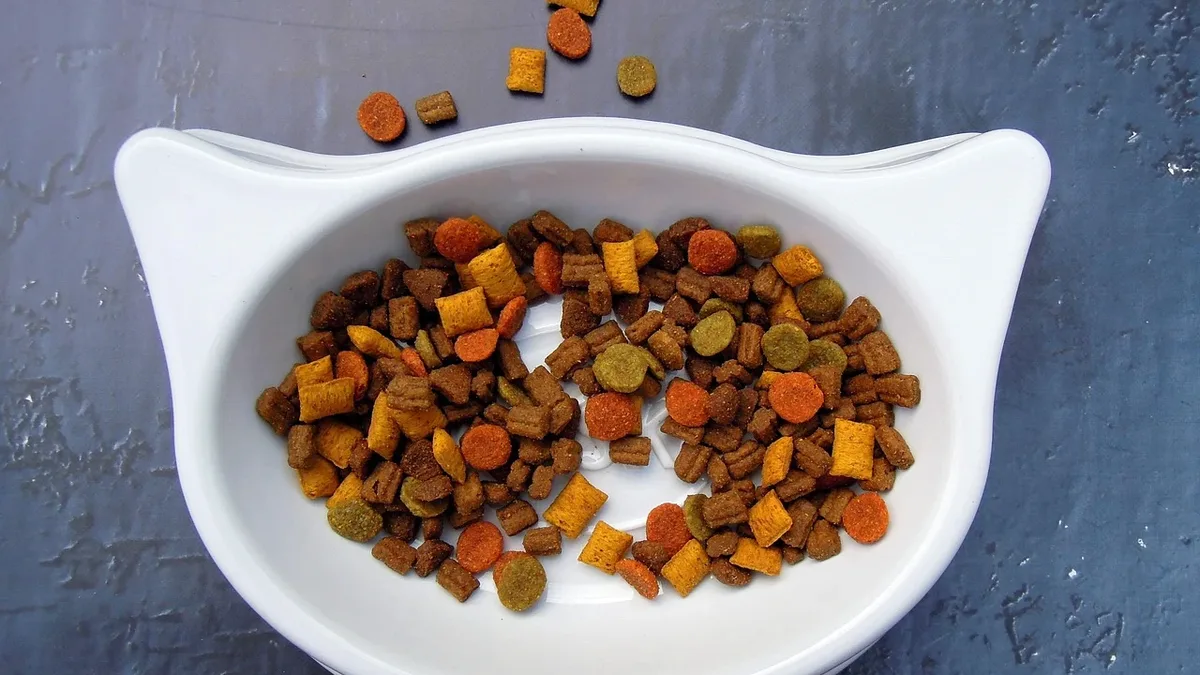
Dehydrated cat food is a dry, shelf-stable product that must be mixed with water before being served to a cat. For a suitable cat, it can offer a soft, moist meal while taking up less storage space than canned food. According to Vetstreet, this format is not inherently raw, more nutritious, or superior to other types of food.
Its appropriateness depends on several factors. These include the nutritional adequacy statement on the label, the cat's life stage and calorie needs, its willingness to eat the rehydrated texture, and any specific veterinary diet requirements.
This food begins as a prepared recipe from which most moisture is removed. The resulting dry product is compact and does not require refrigeration. At mealtime, an owner measures the dry food, adds the precise amount of water specified on the package, stirs, waits, and then serves it.
The phrase "dehydrated cat food" describes only the processing and serving method, not its nutritional quality. One formula might be a complete and balanced meal, while another could be just a topper or supplement. The FDA's guidance states that the nutritional adequacy statement on the label is where owners must verify if a product is suitable as a sole diet and for which life stage.
Key Suitability Questions
Before switching foods, Vetstreet advises owners to answer a series of questions. Does the current label state the food is complete and balanced for the cat's life stage? Is the cat on a required therapeutic diet? Will the cat reliably eat a soft, rehydrated texture? Can the owner accurately measure both food and water at every meal?
Other considerations include the ability to refrigerate leftovers promptly, whether the calorie amount supports the cat's body condition goal, and if the owner can transition the cat slowly enough to monitor its appetite and digestion. A single "no" does not automatically rule out the format, but it identifies an issue that needs to be addressed, such as obtaining veterinary approval for a medical-diet concern.
How It Differs From Other Food Formats
Food format terms are often confused. A cat owner should focus on the actual product directions and label, not only the descriptor on the package.
Dehydrated food is not raw food. The Honest Kitchen, which offers dehydrated recipes, says the proteins in its Grain Free Chicken & Fish cat food are gently cooked to at least 165 degrees Fahrenheit before dehydration. The brand states its products should be described as cooked and dehydrated, not raw.
Potential Benefits and Practical Considerations
The primary benefits of rehydrated meals are practical. Adding water at mealtime places moisture directly into the food. The dry packaging is compact. Owners can prepare a fresh portion in a predictable routine. Cats that enjoy a warm, soft texture may find the meal appealing.
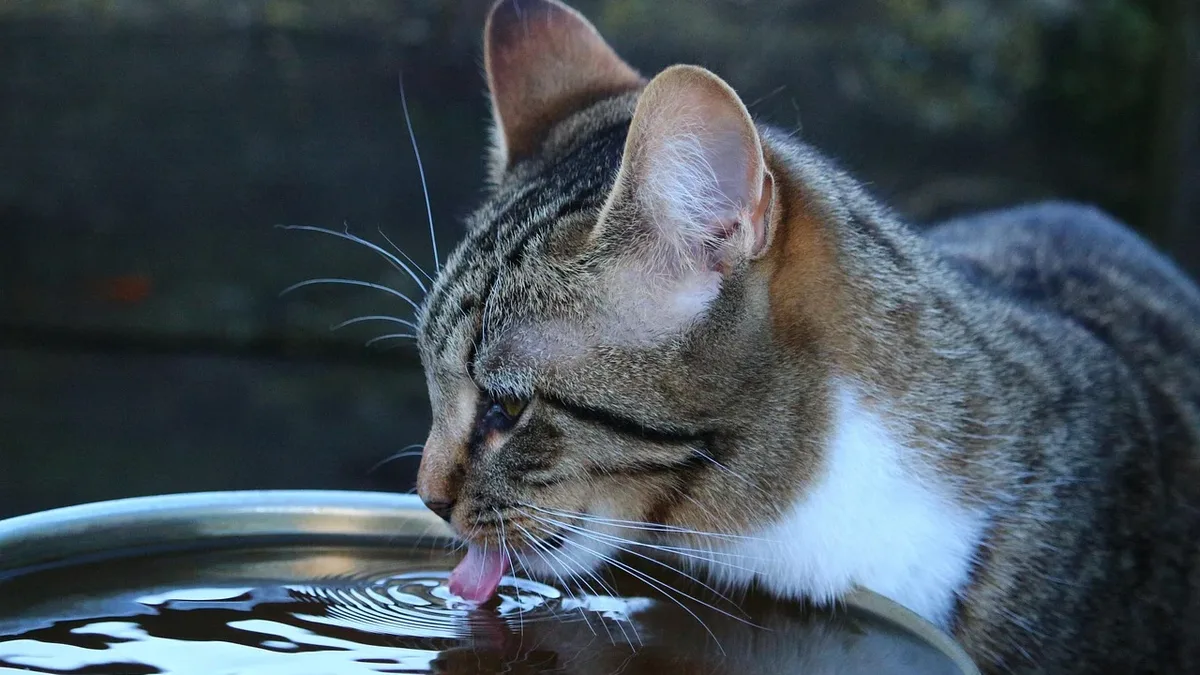
Adding water to food can increase a cat's water intake, which aligns with guidance from the Cornell Feline Health Center. However, every cat must still have constant access to fresh drinking water. Rehydrated food is not a substitute for a water bowl or fountain.
The texture can be introduced gradually. An owner might offer a small taste of the correctly prepared food beside the familiar meal. This allows the cat to adjust without disrupting its eating habits. Cats are vulnerable to serious health consequences from prolonged inadequate food intake. If a cat refuses food for more than a day, it needs prompt veterinary attention.