Why Cats Vomit After Drinking Water
Catster explains the difference between vomiting and regurgitation in cats, lists common causes from fast drinking to illness, and details when to seek
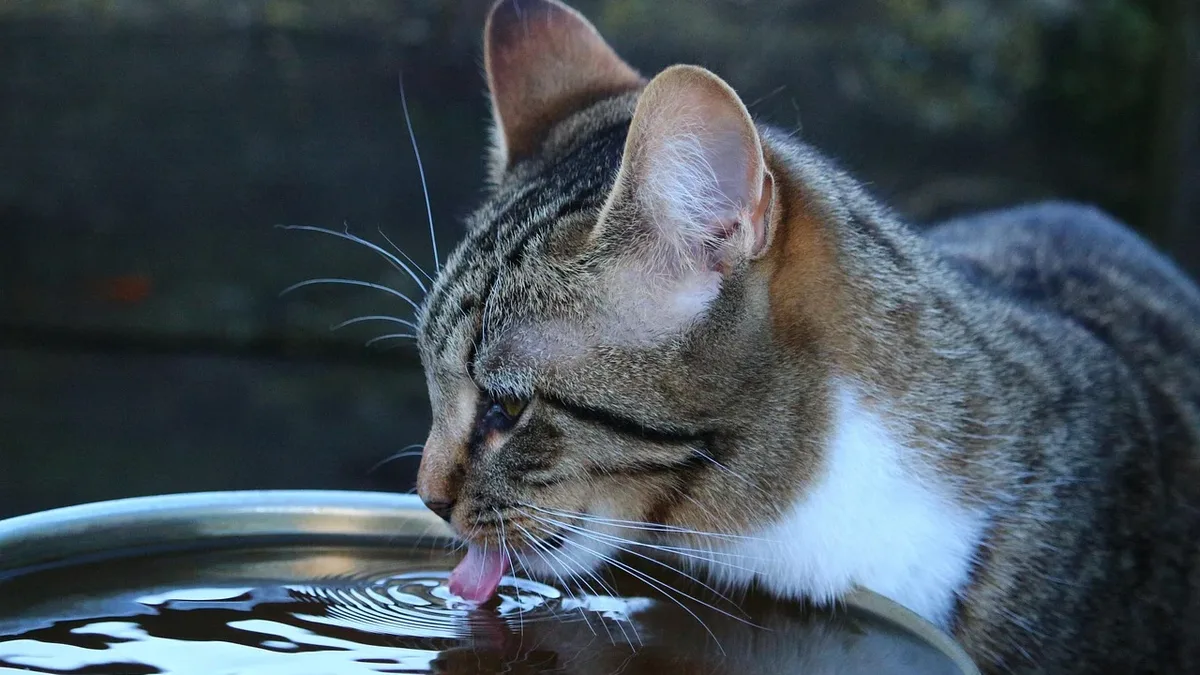
A cat drinking water and then promptly bringing it back up can be confusing for an owner. The explanation can range from simple to serious, requiring a distinction between vomiting and regurgitation.
Vomiting involves obvious effort like retching and abdominal contractions. Regurgitation is more sudden and passive, often involving undigested food or water coming back up from the esophagus. Regurgitated water is thin and runny, while clear vomit is thicker and stickier, originating from the digestive tract.
Fast Drinking as a Common Cause
One harmless explanation is that a cat drank too much water too quickly. Cats that eat or drink particularly fast can bring back almost everything they just swallowed. In these cases, there may be water or froth on the floor, and the cat often returns to normal almost immediately.
An occasional episode like this is not necessarily a reason to panic. Restricting water is never the answer. Instead, a water fountain may encourage slower drinking, and ice cubes can give cats something to lick slowly during warm weather.
Health Problems Linked to Vomiting
Sometimes the timing is misleading, and the cat was already feeling unwell before drinking. Hairballs are one possibility. When a cat tries to bring up a hairball, recently swallowed water or food can come up with it. A hairball usually has a distinctive long, tube-like appearance.
Cats can also bring up other material irritating the stomach, like bits of broken toys or string. This is more common in curious kittens and younger cats. Some objects can cause blockages requiring veterinary treatment.
Repeated vomiting or regurgitation can signal problems affecting the esophagus or digestive system. Issues involving the esophagus can cause regurgitation after drinking. Other signs may include drooling, difficulty swallowing, reduced appetite, weight loss, and lethargy.
Digestive problems more commonly cause vomiting. This could be an upset stomach, food allergies, parasites, inflammatory bowel disease, or pancreatitis. A significant roundworm infestation, for example, can cause a cat to vomit food or water. Roundworms may sometimes be visible, looking like cooked spaghetti.
Certain health conditions lead to increased thirst and urination. Diabetes, kidney disease, and hyperthyroidism can all cause cats to drink more water than usual. A cat drinking a large amount at once may regurgitate it, or be vomiting due to the underlying condition.
When to Seek Veterinary Care
An occasional episode after drinking too quickly may not be a concern, especially if the cat quickly returns to normal. Repeated vomiting or regurgitation, however, should not be dismissed. According to Catster, "If a cat is throwing up after drinking every day or even every week, that is not considered normal and should be checked by a veterinarian."
A cat that cannot keep water down risks dehydration. Frequent vomiting can be a sign of an underlying illness. If vomiting is accompanied by other changes like diarrhea, reduced appetite, tiredness, unusual thirst, or changes in urination, it is time for a vet visit.
Regular grooming can help reduce the amount of loose hair a cat swallows, though it may not prevent hairballs entirely. Cats prone to chewing or swallowing inappropriate objects must be closely supervised, with loose threads and damaged toys kept out of reach. Watching for patterns and changes in drinking habits helps distinguish an isolated incident from a problem needing attention.