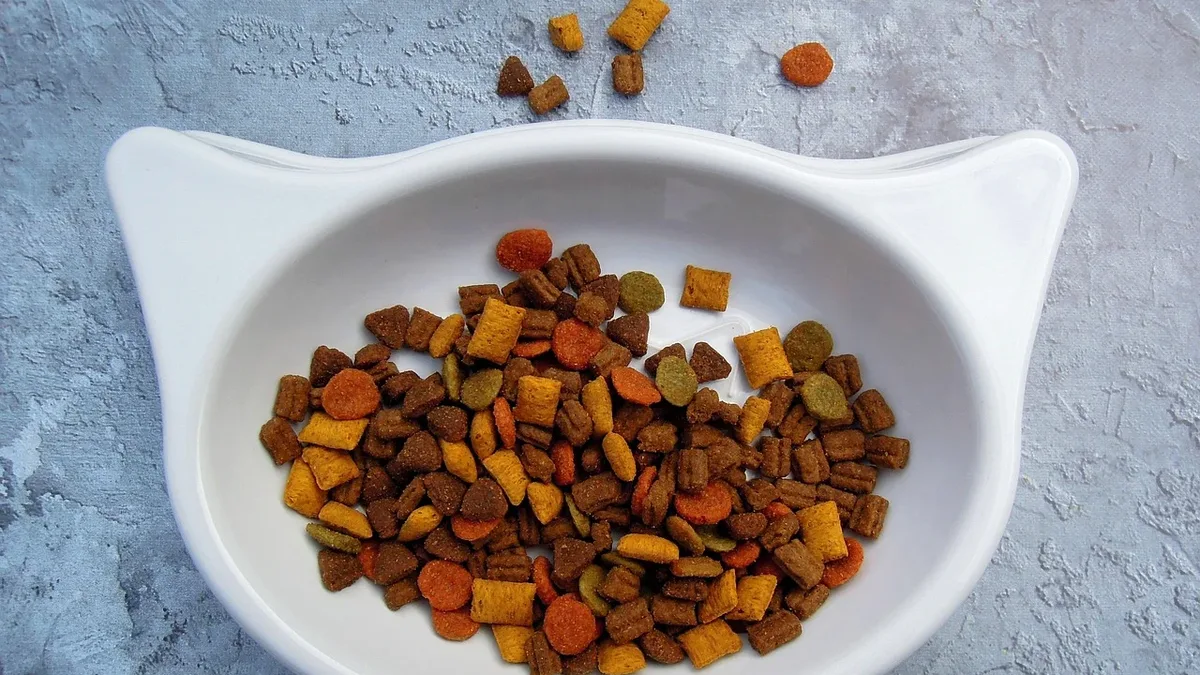
Cat food contamination: lead, cadmium and arsenic found in most top sellers
An investigation of 100 top-selling cat foods found widespread contamination with lead, cadmium, and arsenic.
An investigation of 100 top-selling cat foods found lead, cadmium, and arsenic in the vast majority of samples across all food types. The study tested products across 62 brands for more than 122 contaminants, revealing pervasive toxic metal presence.
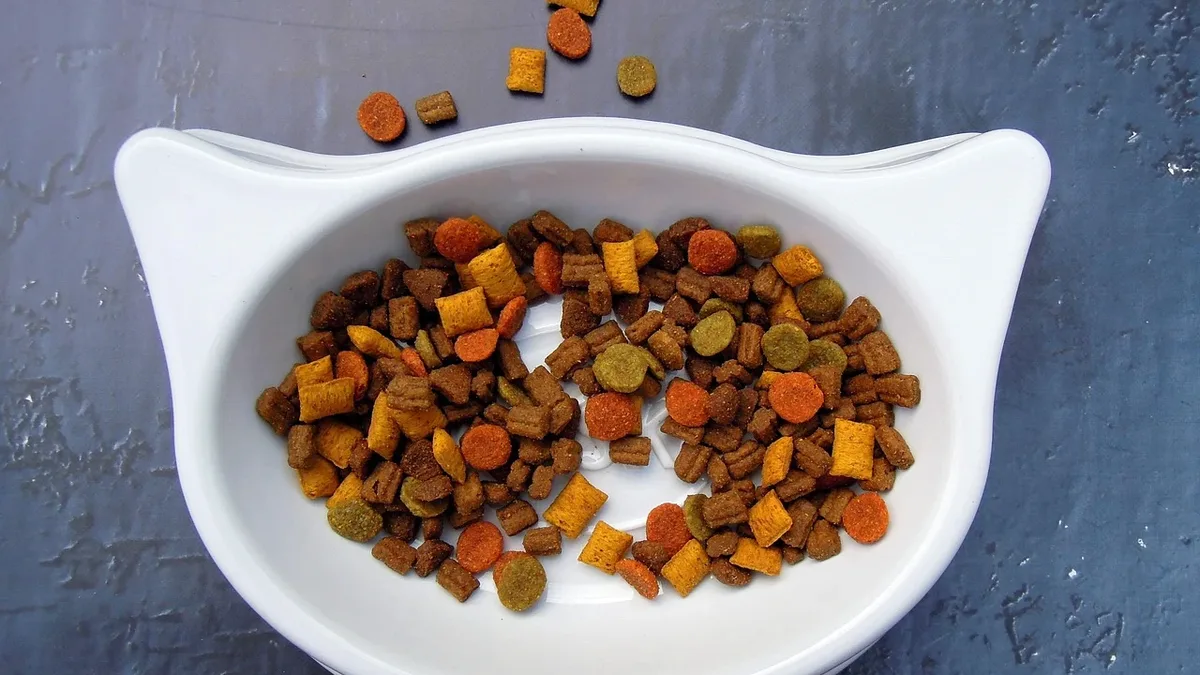
Lead was detected in 99% of cat food samples. Cadmium was found in 96% of samples. Arsenic was present in 94%. Contamination was found in all types of cat food: wet, dry, and air- or freeze-dried. Dry cat food contained roughly three times more lead than wet or air-dried products.
Fish-based foods show alarming metal levels
Fish and seafood-based cat foods contained mercury levels up to 28 times higher than poultry-based options. These products also showed elevated cadmium levels, despite some meeting purity standards.
Mercury concentrations averaged 18 times higher in seafood products than in other protein sources. Cadmium levels were about 2.5 times higher. Wet seafood-based foods contained nearly 28 times more mercury than wet foods made with other meats, especially poultry.
| Protein Source | Purity Standard Met | Relative Mercury Level |
|---|---|---|
| Poultry-based | Nearly 85% of products | Baseline (lower) |
| Fish/Seafood-based | 25.7% of products | Up to 28 times higher |
Products labeled as natural and nutritionally superior were also found to contain toxins.
Plant-linked ingredients tied to herbicide presence
Higher numbers of plant ingredients in a product's top ten correlated with increased glyphosate detection. Glyphosate was found at detectable levels in 37% of products tested.
Cat food with two plant ingredients in the top ten had roughly 40% more glyphosate than similar food with one plant ingredient. Food with five plant ingredients had nearly four times as much glyphosate as food with one.
Phthalates prevalent in wet foods
The chemical DEHP, a type of phthalate, was detected in about half of the products tested. The highest levels were found in canned and pouch formats.
Experts call for action amid regulatory gaps
Cats and other small pets absorb more contaminants than larger animals. Few regulations control contaminants in pet food, and most safety guidelines are designed for farm animals, not kittens or older housecats. Chronic kidney disease is among the most common causes of death in older cats.
Molly Hamilton, executive director of the Clean Label Project, highlighted the risk of cumulative exposure. "Most cats eat the same foods nearly every day, with little variation," Hamilton said. She warned that higher price points do not guarantee contaminant-free ingredients.
Ryan Babadi, science director for Toxic Free Future, urged immediate industry action. He said major retailers must require suppliers to eliminate harmful chemicals already being phased out or banned in many other products.
The Pet Food Institute, representing manufacturers, said its members maintain rigorous internal safety measures and preventive controls. Its CEO is Elise Fennig. The study did not determine whether a specific product will cause harm to a cat.