Fleas
| Scientific name | Siphonaptera |
|---|---|
| Size | Less than 3 mm |
| Hosts | Mammals and birds |
| Life stage on host | Adult |
| Primary harm to cats | Causes flea allergy dermatitis |
| Transmission | Highly mobile; jumps between hosts and environment |
| Control necessity in indoor cats | Essential; fleas are brought indoors |
| Common control method | Topical or oral parasiticides |
| Complete life cycle | Involves environment (e.g., carpets, bedding) |
Origin and history
Fleas are ancient, wingless insects belonging to the order Siphonaptera, with origins tracing back to the Middle Jurassic period, over 165 million years ago. They are believed to have evolved alongside mammalian and avian hosts, with their earliest ancestors potentially feeding on now-extinct species. The modern cat flea, *Ctenocephalides felis*, is the most common species found on domestic cats and dogs worldwide. This species is thought to have originated in Africa, adapting to the specific hosts available on that continent. Its global spread is directly linked to the movement of its host animals through human trade and travel over centuries. The flea's historical impact is profound, having been a primary vector for the *Yersinia pestis* bacterium responsible for the bubonic plague pandemics of the 14th century.
What it was bred for
Fleas were not bred by humans for any purpose; they are parasitic insects shaped entirely by natural selection for survival on a host. Their evolution has specialized them for a parasitic lifestyle, with physical and behavioral adaptations honed for locating, securing, and feeding from warm-blooded animals. The primary "function" of a flea, from an ecological perspective, is to consume the blood of its host as an adult, which provides the necessary protein for reproduction. This feeding activity, while detrimental to the host, serves to support a complex life cycle and contributes to various food webs. Their existence is solely geared towards their own propagation, not for any utility to humans or other animals. The cat flea, in particular, is exceptionally non-host-specific, allowing it to thrive on a variety of mammals, which is a key to its success.
Life cycle
The flea life cycle consists of four distinct stages: egg, larva, pupa, and adult, and its completion is entirely dependent on environmental conditions. An adult female flea lays up to 50 eggs per day on the host, but these tiny, white ovals readily fall off into the cat's environment, such as carpets, bedding, and furniture. Within a few days, these eggs hatch into legless, worm-like larvae that avoid light and feed on organic debris and adult flea feces ("flea dirt") in the environment. After one to two weeks and several molts, the larva spins a sticky cocoon, entering the pupal stage, where it can remain dormant for weeks or even months, protected from many insecticides. The developed adult flea emerges from the pupa in response to vibrations, heat, and carbon dioxide, signaling the presence of a potential host. This entire cycle can be completed in as little as two weeks under ideal warm, humid conditions, but delays in the pupal stage can cause prolonged infestations.
Character and appearance
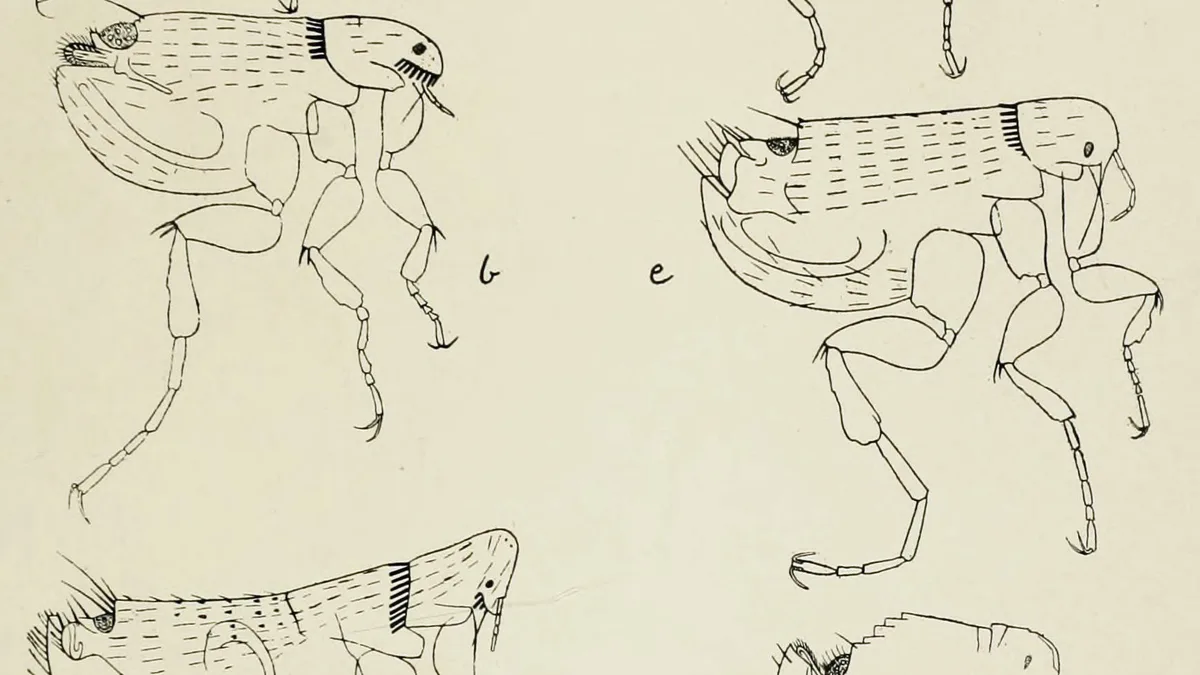
Adult cat fleas are small, typically 1-3 millimeters in length, with a laterally flattened, dark reddish-brown body that facilitates movement through the host's fur. They possess powerful, long hind legs adapted for extraordinary jumping, allowing them to leap vertically up to 150 times their own body length to transfer between hosts or the environment. Their mouthparts are highly specialized for piercing skin and sucking blood, and they have backward-facing spines and setae (hairs) on their bodies and legs to prevent dislodgement. Fleas are obligate parasites, meaning their survival is entirely dependent on consuming blood from a host animal. Their behavior is driven by feeding and reproduction, with adults requiring a blood meal to mate and for females to produce eggs. They are persistent and resilient, capable of surviving for months without feeding in certain life stages, waiting for a host to become available.
Pros and cons
There are no pros to a flea infestation from the perspective of the cat or the owner; the presence of fleas is a universally negative health and hygiene issue. The primary con is the discomfort and suffering caused to the cat, including intense itching, scratching, and potential allergic reactions to flea saliva known as Flea Allergy Dermatitis (FAD). Fleas act as intermediate hosts for the tapeworm *Dipylidium caninum*, which cats can ingest while grooming, leading to internal parasite burdens. In severe infestations, particularly in kittens or debilitated cats, fleas can consume enough blood to cause life-threatening anemia. A common mistake owners make is treating only the cat and neglecting the environment, where the vast majority of the flea population (eggs, larvae, pupae) resides, leading to rapid reinfestation. Owners often regret choosing only over-the-counter, non-prescription treatments without veterinary guidance, as these can be ineffective against resistant populations or, in the case of some dog products, toxic to cats.
Who it suits
Fleas suit no one; they are an undesirable parasite that exploits any suitable host and environment. They are suited to, and therefore infest, any cat regardless of breed, age, or indoor/outdoor status, as they can be brought inside on clothing or by other pets. They thrive in households where consistent, veterinary-recommended parasite prevention is not used, creating an opportunity for establishment. Fleas are particularly suited to environments that provide warmth, humidity, and organic debris, such as carpets, upholstered furniture, and pet bedding, where the immature stages can develop undisturbed. They exploit situations where multi-pet households exist without treating all animals simultaneously, allowing them to move between hosts. Ultimately, fleas are suited to any situation where a comprehensive, year-round control strategy encompassing both the animal and its living space is absent.