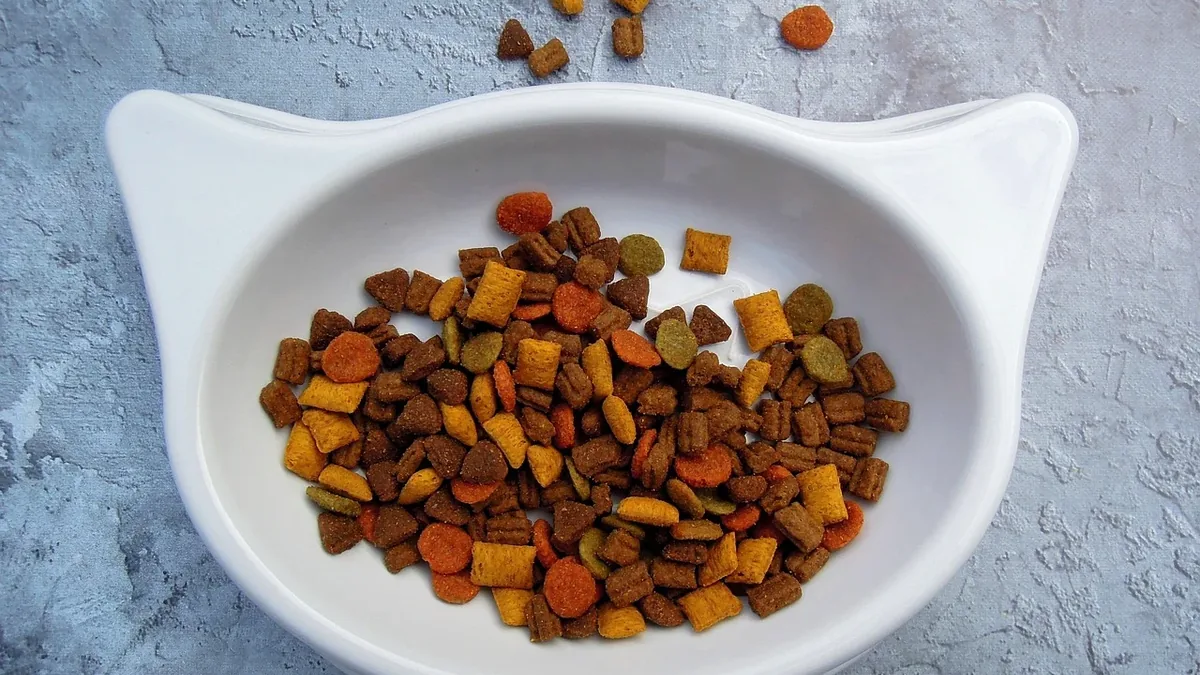
Wet Vs Dry Food
| Country of origin | Varies by manufacturer |
|---|---|
| First created | Mid-20th century (commercial canned food), late 20th century (kibble) |
| Original use | Commercial convenience and nutrition for domestic cats |
| Moisture content | High (wet), Low (dry) |
| Energy density | High (dry), Lower (wet) |
| Dental impact | Minimal plaque control (wet), Some abrasive action (dry) |
| Storage after opening | Requires refrigeration (wet), Stable at room temperature (dry) |
| Typical primary ingredient | Animal protein and organs |
Origin and history
The commercial production of dry cat food, often called kibble, originated in the United Kingdom in the late nineteenth century. It was initially developed as a convenient, shelf-stable biscuit for dogs, with similar products adapted for cats in the early twentieth century. The modern expansion of dry cat food accelerated in the United States during the post-World War II economic boom, driven by advances in extrusion technology. Wet cat food in cans emerged earlier, with the first commercially prepared pet food in the United States being a wet food for dogs launched in the 1860s. The practice of canning horse meat for cat consumption became established in the United Kingdom by the 1930s, offering a moist alternative to table scraps. The fundamental dichotomy between wet and dry formats has been a stable feature of the commercial pet food industry since the mid-twentieth century.
What it is designed for
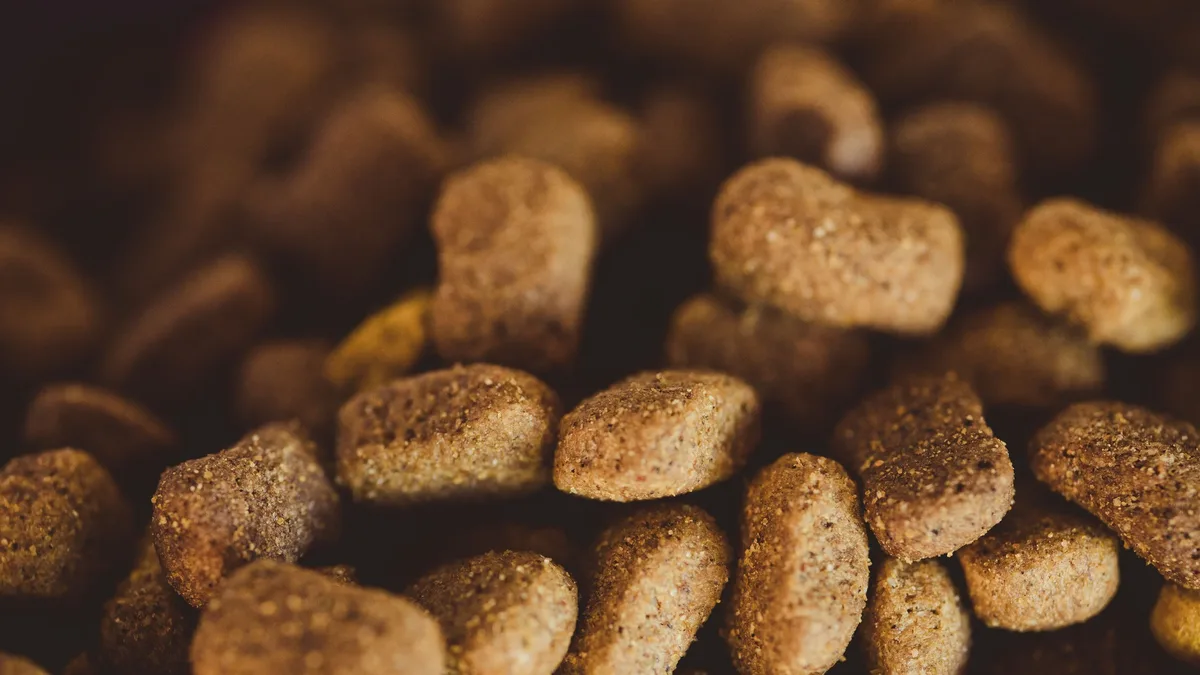
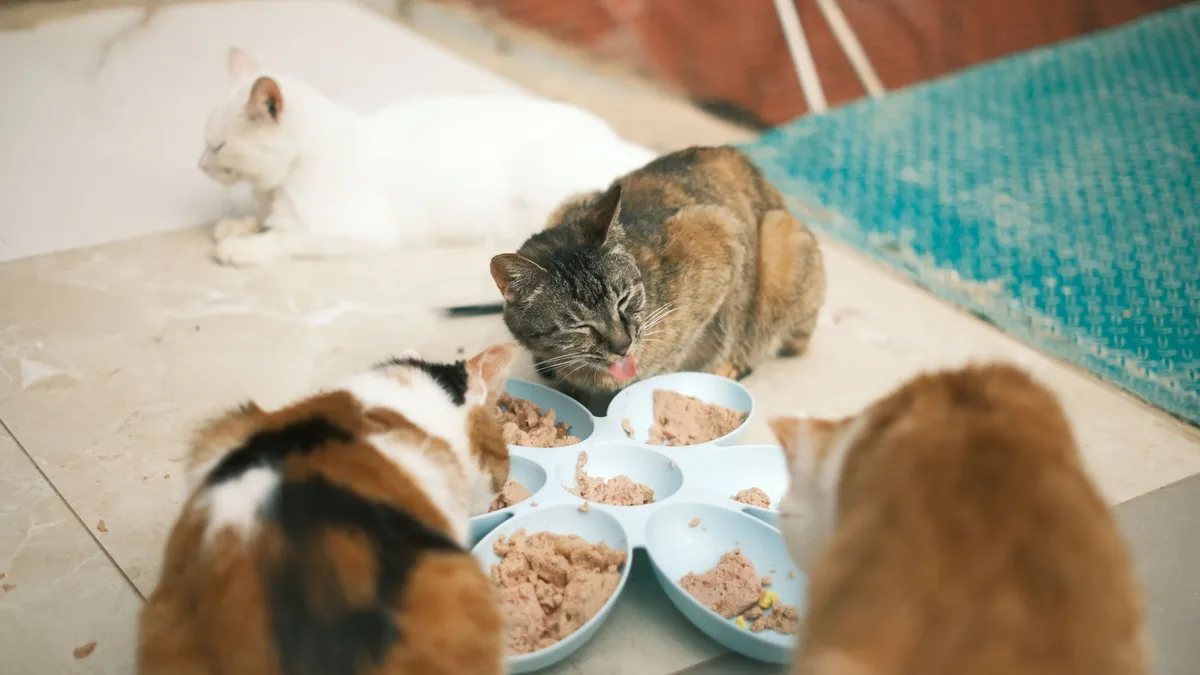
Dry food is primarily designed for convenience, cost-effective long-term storage, and dental health through mechanical abrasion from chewing hard kibble. Its low moisture content, typically around 6-10%, allows it to be left out for free-feeding without rapid spoilage, suiting owners with irregular schedules. The extrusion process used to make kibble efficiently binds nutrients, enabling the creation of nutritionally complete diets that are easy to measure and serve. Wet food is designed to provide high moisture intake, closely mimicking the water content of natural prey, which is approximately 70-80%. This format is often engineered for palatability, with strong aromas and textures that appeal to fussy eaters or cats with reduced senses of smell. It also serves as a vehicle for specific dietary management, allowing for the incorporation of higher levels of protein and fat with fewer carbohydrates than many dry foods.
Development and versions
Dry food has evolved from simple baked biscuits to highly complex extruded kibbles with precise nutrient coatings and specialized shapes. Development has focused on creating breed-specific, life stage, and health condition formulas, such as urinary tract health or weight management kibble. Versions now include grain-free options, limited ingredient diets, and kibbles with varying densities and sizes to influence chewing behaviour. Wet food development has expanded from basic meat-in-gelatin formulas to a vast array of textures, including pâtés, chunks in gravy, shredded loaves, and clear consommés. Nutritional versions now address similar therapeutic needs as dry food, like renal support or diabetic diets, but in a moist format. The market also includes complementary wet foods, which are not nutritionally complete, and entire lines marketed as high-protein, biologically appropriate diets.
Pros and cons
A primary pro of dry food is its unparalleled convenience for multi-cat households and its role in food-dispensing puzzle toys that stimulate indoor cats. A significant con is its low moisture content, which can contribute to chronic low-level dehydration, a risk factor for urinary and kidney diseases, especially in cats with low water drive. Owners often regret choosing dry food exclusively for cats that develop feline lower urinary tract disease, as the concentrated urine is a key aggravating factor. The common mistake is overfeeding, as dry food is calorie-dense and easy to portion incorrectly, leading to obesity in sedentary indoor cats. Wet food's major pro is its high water content, which supports renal function and urinary tract health, and its high palatability for senior cats or those with dental pain. A con of wet food is its cost per calorie, spoilage within hours if left out, and potential for contributing to dental plaque if not supplemented with dental care, as the soft texture provides no abrasive cleaning action.
Who it suits
Dry food often suits busy households with multiple cats where free-feeding is a practical management tool, and for cats that naturally drink ample water from a bowl or fountain. It is a practical choice for use in automated feeders and for cats that are highly food-motivated and benefit from the mental engagement of dry food puzzle toys. Dry kibble can suit healthy, active indoor cats with no predisposition to urinary issues when portion control is strictly managed. Wet food is strongly suited for cats with medical conditions like chronic kidney disease, diabetes, or a history of crystal formation, where increased water intake is medically advised. It is ideal for fussy eaters, senior cats with diminished smell or dental problems, and obligate carnivores that thrive on high-protein, low-carbohydrate diets. A combination feeding regimen, using scheduled wet food meals and measured dry food for enrichment, often best suits the modern indoor cat, addressing both hydration needs and natural foraging behaviours.
Latest Wet Vs Dry Food news
Latest reporting
Cat food contamination: lead, cadmium and arsenic found in most top sellers
An investigation of 100 top-selling cat foods found widespread contamination with lead, cadmium, and arsenic.
Dehydrated Cat Food: A Vetstreet Guide
Vetstreet examines dehydrated cat food, explaining its preparation, differences from other formats, and key suitability questions for cat owners.
Earthborn Holistic Cat Food Review: Variety for Picky Eaters
Catster's expert review gives Earthborn Holistic cat food a 4.8-star rating, praising its meat-first recipes and variety of seven canned flavors.
Dog Food for Joint Health: What Nutrients Help
Dog food for joint health can support an arthritis care plan, but it cannot replace pain control, appropriate exercise, or veterinary treatment.
How to Make Your Cat Happier in Just 5 Minutes
Food puzzles offer indoor cats mental and physical stimulation by tapping into their natural foraging instincts, improving wellbeing and confidence.

Kitten Diarrhea: Causes, Treatment, and When to Worry
Kitten diarrhea can be a brief response to stress or a fast food change, but it can also signal parasites, infection, feeding trouble, or another...